
When you view a portrait, the most captivating detail is often the eye. A well-lit eye not only conveys emotion but also gives the photograph depth and vitality. The subtle glints that appear in the irises—known as catchlights—are these tiny reflections of light that can transform a close‑up portrait from flat to lifelike.
Mastering catchlights is all about positioning your subject in relation to the available light. Once you understand how to guide reflections, you can create them in almost any natural lighting scenario.

1. Face the Light Directly
Directly orienting the subject toward the main light source is the most straightforward method. In the example below, the subject faces the setting sun, which becomes the primary light. This alignment allows the sun’s rays to bounce back into the eyes, producing clear catchlights.
Watch for harsh hot spots; if shadows appear too sharp, move the subject into a lightly shaded area so the light softens across the face.

2. Use the Sky on Cloudy Days
Cloud cover acts as a natural diffuser, preventing glare while still providing a bright, even source of light. Have your subject look slightly upward or position the camera above them to reflect the sky into their eyes. Even a muted sun can yield sparkling catchlights as long as the brightness is controlled.

3. Bounce Light with a Reflector
When a direct light source isn’t available in front of the subject, a reflector can redirect ambient light back into the eyes. In this shot, the sun was on the subject’s right side and blocked by a hat. A light‑colored sidewalk below served as an effective reflector, bouncing sufficient light onto the face to create catchlights.
Choose light surfaces—such as white concrete, sand, or a polished floor—to maximize reflection. Dark backgrounds absorb light and are less effective.

4. Capture Window Light Indoors
Indoor shooting is no obstacle. Simply have the subject face a window, and the natural daylight streaming in will reflect in their eyes, adding warmth and brightness.

With these positioning strategies, capturing catchlights becomes intuitive. Below, two photos taken a minute apart illustrate how minor adjustments can dramatically alter eye sparkle. The first image—taken during late afternoon—shows “dead eyes” with minimal reflection, resulting in a flat look. After turning the subject 45 degrees toward the open sky and shooting from a slightly higher angle, the second image reveals vivid catchlights that breathe life into the portrait.
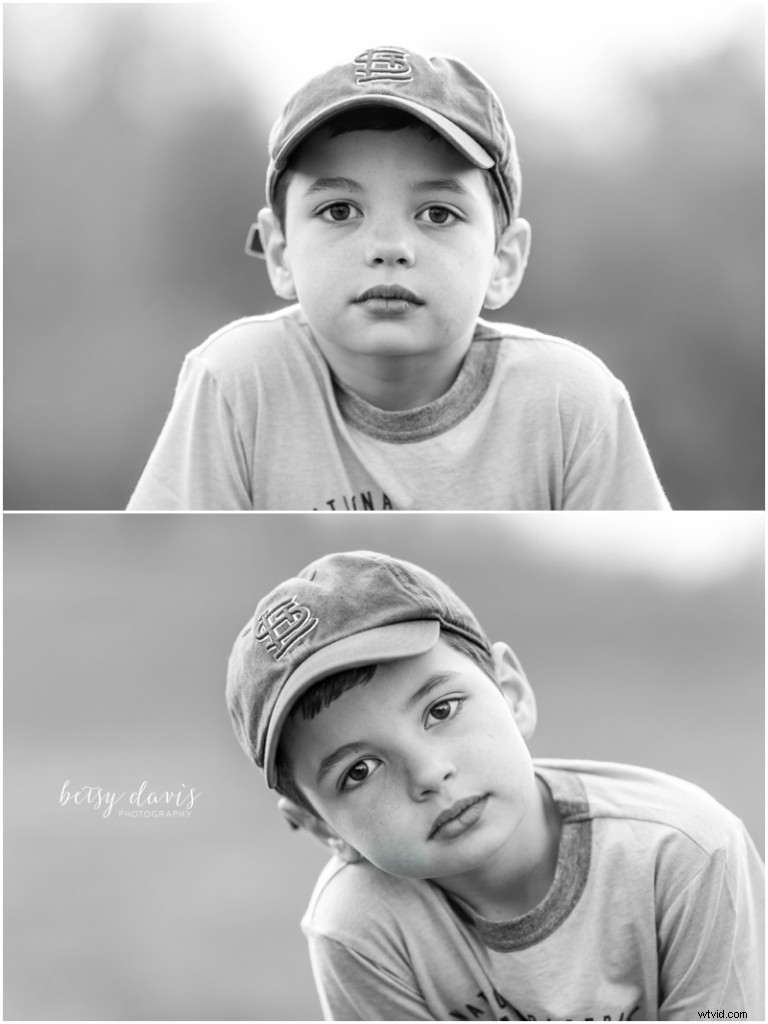
Catchlights are a subtle yet powerful tool in portrait photography. By attentively managing light direction and employing simple reflective techniques, you can enhance the natural beauty of your subjects’ eyes and elevate every portrait.