
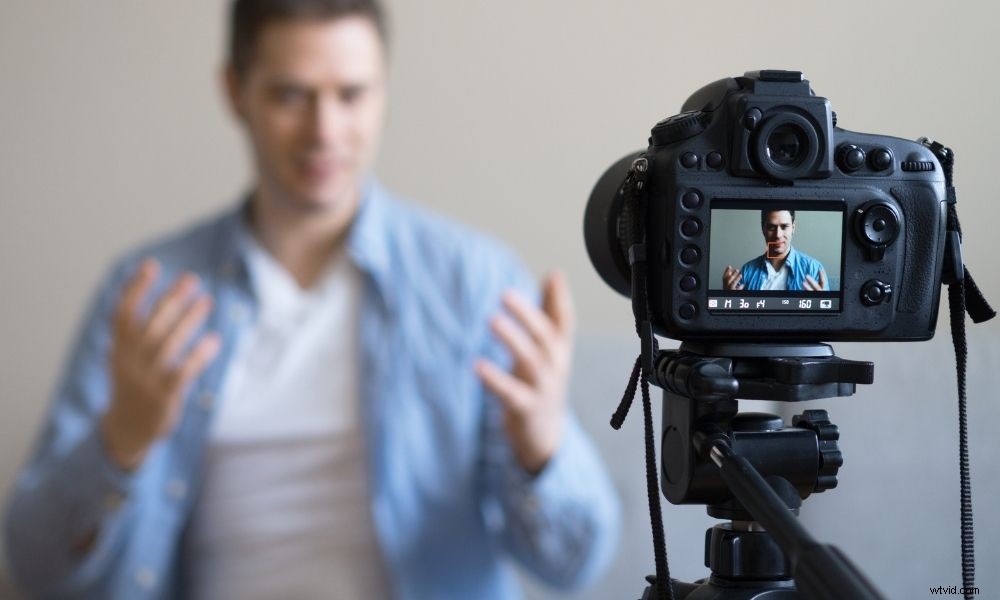
 Creators have many videography accessories to choose from when filming their content. Given how many videography niches are out there, the list of equipment available is equally vast. So, when should you use a video camera tripod? Use this detailed guide to learn the answer and update your set accordingly.
A Clean, Professional Presentation
Handheld video quality certainly has its place in specific projects. For instance, the handheld style of The Office achieves a distinctly documentary-like feel. However, many projects benefit from footage that is clean and professional.
A sturdy tripod provides the perfect platform to rest your camera, keeping it stable on set. That way, you can capture high-quality footage for your video projects, whether it’s an interview, short film, or another style entirely. Shake-free footage looks more professional because it creates that illusion of a window into another world; that escapism engages audiences with your content.
This concept might sound like something only Hollywood blockbusters strive for, but many other videography niches can use tripods to deliver captivating content that they couldn’t otherwise capture handheld. After all, although it works in the right circumstances, that handheld style can end up more distracting than engaging in some cases.
Precision & Creative Control
Thanks to the stability of a tripod, camera operators and directors can plan their shots more precisely—without worrying about the frame swaying due to the camera’s weight. The reliable surface of tripods helps you capture a static frame in which you can place the props and players as you see fit. It becomes much easier to capture the intended shots when carefully planning what you want in the frame and keeping in mind its well-defined boundaries.
For instance, shaky camera movement makes it harder to conceal boom mics and other gear and team members on set. If you know the specific parameters of your frame, then you can more carefully plan what’s outside of the frame, which is equally important as what’s in the frame.
Diverse Designs
So, when should you use a video camera tripod? You should reach for a sturdy tripod whenever you want to produce professional-grade and deliberate content. That said, knowing what your tripod offers inside and out is critical as load capacities vary. These details might make it seem like finding the perfect tripod is tedious, but far from it. For instance, among our video camera stands and accessories at Ikan, we carry tripods available in aluminum and carbon fiber designs.
Aluminum is ideal for lighter payloads, whereas carbon fiber will assist with heavy-duty production cameras. Remember to look at more than the material, however; although one carbon fiber tripod might support a 70-pound payload, the one next to it might only carry 48 pounds. Luckily, equipment manufacturers and vendors won’t exactly hide these details from customers, so a simple browse around the descriptions online should help you learn what your tripod can accomplish on set.