
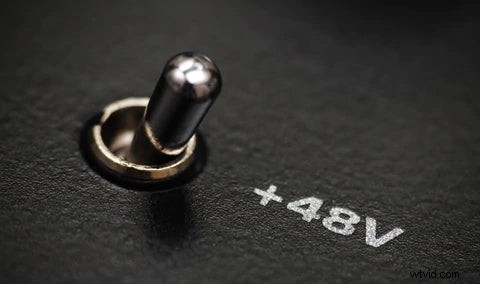
What Is Phantom Power?
Phantom power is a type of electrical power supply used to provide power to active electronic devices, such as condenser microphones.The term phantom derives from the fact that this type of power supply is not visible, as it is supplied through the cable connecting the device to the power supply. Non-phantom powered mics can still be used with devices that provide phantom power, as long as the phantom power function is disabled. On the other hand, condenser mics that require phantom power can only be used with devices that provide it.
Why Do You Need Phantom Power?
Knowing whether your microphone needs phantom power is important in order to make sure you are using it correctly and getting the best performance possible. For more information on phantom power and how to determine if your mic needs it, please continue reading.
Do Condenser Mics Need Phantom Power?
Condenser microphones are more sensitive to sound than other types of microphones and require phantom power to function properly. Condenser microphones, such as the Movo VSM-7, are often used in studio settings, where phantom power is more common. There are some condenser microphones that can operate without phantom power, but they are not as common.
Do Dynamic Mics Need Phantom Power?
Typically, dynamic mics do not need phantom power since they do not contain active electronics. Phantom power is not usually needed for stage microphones, like the Movo HV-M5, as they are typically also dynamic microphones.
How is Phantom Power Supplied?
Phantom power is supplied by a DC voltage source, typically 48 volts, through a conductor in the mic cable. The voltage is usually supplied by a mixer or audio interface and can be turned on and off as needed. When not in use, it is best to disable phantom power to avoid any potential damage to your microphone.
In conclusion, phantom power is a type of electrical power supply used to provide power to active electronic devices. Condenser microphones require phantom power to operate, while dynamic microphones do not. If you are using a condenser microphone, make sure phantom power is enabled on the device you are using it with. For more information, be sure to consult the microphone's technical specifications or manufacturer. In the meantime, whether you are looking for dynamic or condenser microphones, Movo has plenty of microphones available for you!