
Film pros are lauding the new iPhone’s cinematic camera. But are they truly excited about the device? Or the possibilities it represents?
Greig Fraser is one of Hollywood’s best and brightest cinematographers. He’s just come off shooting Dune andThe Batman, and he has three episodes of The Mandalorian under his belt, a production that used LED screens and camera tracking to replace real backgrounds.
Fraser is obviously keen on bleeding-edge gear like the virtual production technology utilized on The Mandalorian. It’s likely this “give it a try” attitude toward new tech that’s behind his thoughts on Apple’s new iPhone 13 Pro.
Here’s (a lightly edited version of) what he said at the device’s launch event:
Playing with Proof of Concept Technology
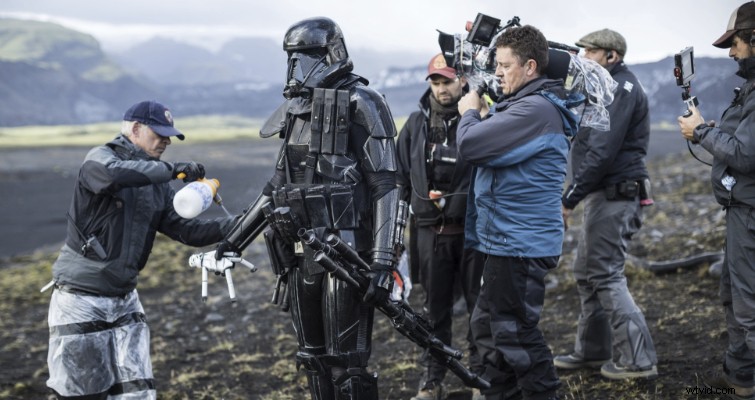
Again, Fraser has a history of going all in on “proof of concept” technology. For instance, he was the guy who, in 2016, decided to use a virtually unheard of digital camera on Rogue One: A Stars Wars Story. It was a bold move—this was the first standalone SW film, so the stakes were ridiculously high. Here’s what he told Definition Magazine about his choice:
Run-and-Gun Concept Outdated with iPhone-Sized Cameras
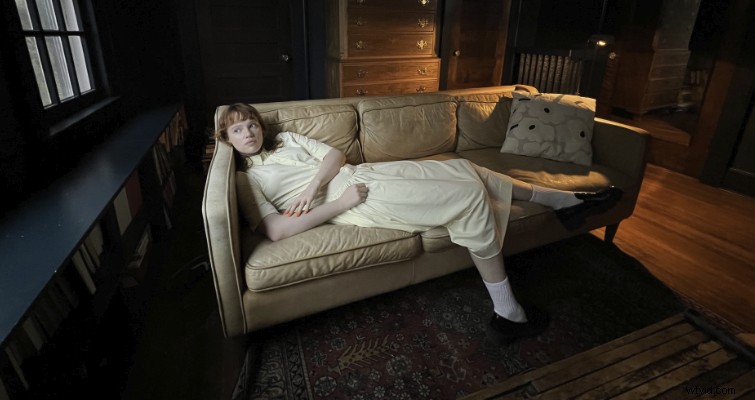
In fact, Fraser wanted to do a run-and-gun film with the ALEXA 65 camera—a fairly untested product with a sensor that’s bigger than a 5-perf 65mm film frame. It’s also 10.6 kilos in weight, and that’s before adding lenses and accessories and throwing it up on your shoulder. No wonder he looks at the new iPhone and hopes that its size advantages are part of filmmaking’s future.
Fraser’s not alone in those hopes. Matthew J. Lloyd (who recently shot Spider-man: Far From Home) extols the virtues of an iPhone-sized main camera:
Looking Forward to Holding the Sensor in Your Hand
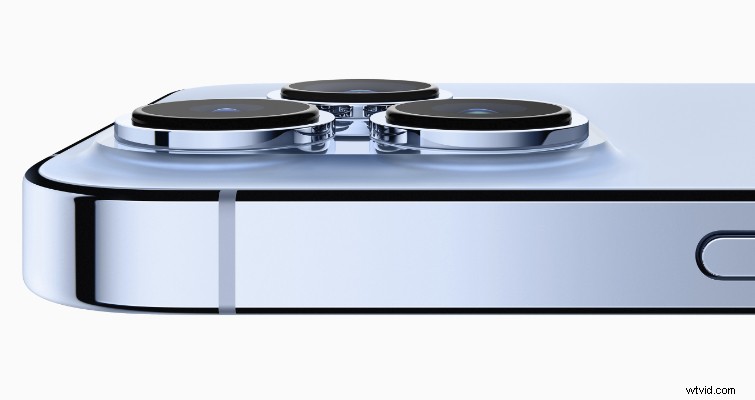
So, what do cinema-camera makers like ARRI, the company behind the hefty Alexa 65, think about all of this “get smaller” talk? Surely they don’t think cameras need to shrink. Last year, in conversation with cinematographer Roger Deakins, ARRI’s Franz Kraus could have been talking about an iPhone when he said the following:
Kraus did, however, accept that cinematography is a conservative industry, so major development (apart from sensors) in the capture world would take time and a lot of investment. But, don’t ask Apple for money, as it seems unlikely they would ever invest in cinema.
Would Adobe Ever Make a Camera?
Maybe it’ll be the image data manipulators that have the final say on what future cameras look like. We just saw Adobe spend over a billion dollars on collaboration platform Frame IO. Interestingly, before the acquisition, Frame IO was exploring cloud-based capture-to-cut techniques.
Imagine all the remote heads of departments—or even just a colorist, for example—getting their hands on original camera negatives as soon as the director says “cut.” For that to happen, the camera really only needs to be pumping out raw data from its sensor. You can be sure that Frame IO is doubling its efforts in this area.
So, what was Greig Fraser really doing on an Apple iPhone launch event video? Apart from getting to make a film with some cool new technology, I think he was absolutely talking to camera manufacturers. It was his clarion call for existing and future camera developers to take what Apple had done and professionalize it.
Maybe it’s time for Adobe to take up the challenge?
Until then, here’s what happened when the Wall Street Journal crew put Apple’s iPhone 13 Pro to the test.
A little more filmmaking insight and inspiration—just for you:
- How Roger Deakins Shot and Lit Blade Runner 2049
- Iconic Cinematography: Our 5 Favorite Shots from Reed Morano
- How Kubrick Used Mostly Natural Light on Full Metal Jacket
- Lights, Camera, Action: How Filmmakers Frame Heroes and Villains
- How Denis Villeneuve’s Blade Runner 2049 Perfected the Art of Color Theory