
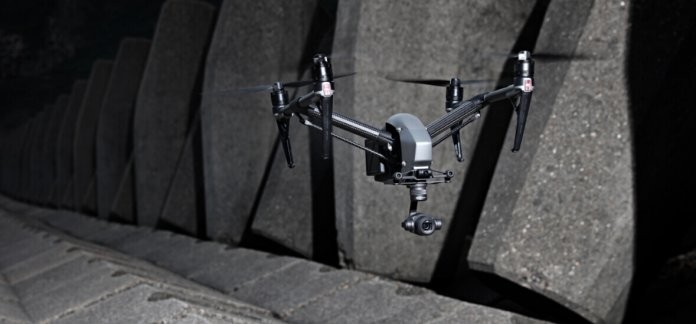
Know Your Drone:
This is one of the most important things I recommend before taking your drone out and flying it anywhere you think you may have trouble. Find a safe spot in an open area to get a feel for how it operates. It’s best to learn how to use it and be comfortable with it before taking it into tighter spaces or flying for any commercial work.
For me, the beach in the off season was my safe place. Having the freedom to fly in a wide open space, practice camera movements, and get used to the controls was a huge help. When it came to flying in more enclosed spaces, I was more confident performing maneuvers I’d initially considered too risky.
Know the Space Around You:
I shoot a lot of real estate for work. In many ways, you have to approach flying like it is a film location and you’re out there scouting before any shooting. I find it useful to walk around envisaging the types of shots I plan on shooting later in my head.
Now, every time I go to shoot aerials of a home, I’ll walk around the property making sure I know what I’m going to do before I do it. This has made my flying so much more precise and clinical.
Know How to Fly Backwards:
It may sound silly, but another essential thing is to know how to control your drone when it’s facing in the opposite direction. When the drone faces backwards, the controls don’t magically change on your controller!
Therefore, if you go to pull your drone forwards because it’s getting too close to a tree, you’re going to go backwards unless you know what you’re doing. The same applies from left to right.
This is probably one of the most confusing things to get used to flying drones. But that’s why I recommend practicing in a wide open space where you won’t hit anything.
Always Keep Your Drone Within Visual Line of Sight:
Always follow your drone around so you can see how close you are to other things. When you fly the drone far away from you, it’s tricky to gauge depth perception. Keeping it within visual line of sight is the best and safest way to keep it away from potential collisions. Even with obstacle avoidance on, it’s best to keep your eye on the aircraft at all times.
Conclusion:
Safety is critical when flying because we don’t want to risk damaging our expensive drones when flying. The easiest way to avoid any harm is to be aware of our surroundings and know how to control whatever drone you are flying. Remember, practice makes perfect. There’s no use sitting at home watching videos and reading the manual. It’s all about the experience. Get out there and fly!
Author: TY Poland
Follow TY Poland Instagram