
Do you struggle with choosing a focus mode? Do you want to know how to choose the perfect focus mode, every single time you pick up your camera?
You’ve come to the right place.
Because while it may seem to difficult to choose the best focus mode for the situation, there are a few guidelines you can use to ensure you nail focus, consistently.
Let’s dive right in.
The three key focus modes
Most cameras are equipped with three key focus modes:
AF-S, also known as One Shot.
AF-C, also known as Continuous, also known as AI Servo.
Manual (sometimes abbreviated as M).
Note that some cameras include an additional focus mode, known as AI Focus, also known as AF-A. But it’s a mode that I never use, and I certainly don’t recommend to others (it’s frequently finicky, and not very effective).
Instead, I suggest learning how to use the modes listed above, and you’ll do just fine!
So how do each of these key focus modes work?
Assuming that you use the shutter button to activate focusing:
When set to AF-S, your camera will acquire focus as soon as you half-press the shutter button. And that point of focus will lock until you let go of the shutter.
When set to AF-C, your camera will begin to acquire focus when you half-press the shutter button. But it will continue to refocus as your subject moves (or as your camera moves).

Note that you can tell a camera in AF-C to track a subject as it moves through the frame, or to continuously acquire focus at the center of the image, etc.
When set to manually focus, your camera won’t focus at all. You have to do all the focusing work via the focus ring on your lens.
Make sense?
So, to recap:
AF-S focuses and locks.
AF-C focuses and keeps focusing, potentially even tracking a subject as they move.
And manual leaves control over focus to you, the photographer.
But when should you use each of these focus modes?
Read on to find out!
When should you use your AF-S focus mode?
AF-S focus mode is my go-to, and the mode I use most frequently. When choosing a focus mode, AF-S is my first thought. And if you’re more of a still photographer (i.e., not an action/sports/wildlife shooter), I recommend you use AF-S mode all the time.
This is because it has so many applications, from landscape to street to portrait and more.

Basically, whenever you’re shooting a non-moving subject, AF-S is the way to go. You can set the focus point to the center of the frame, half-press the shutter button to lock focus, and then compose the shot however you like.
(This is often referred to as the focus and recompose technique.)
For instance, if you’re photographing a street scene, you can focus on a prominent element, such as an interesting poster. Then you can carefully compose the scene. And, as soon as all the elements come together (e.g., a person walks through in just the right place), you can take the shot!
I’m also a fan of using AF-S for handheld landscape photography. I’ll often find myself wanting to put elements off-center, so I’ll lock focus in AF-S, then shift the composition slightly.
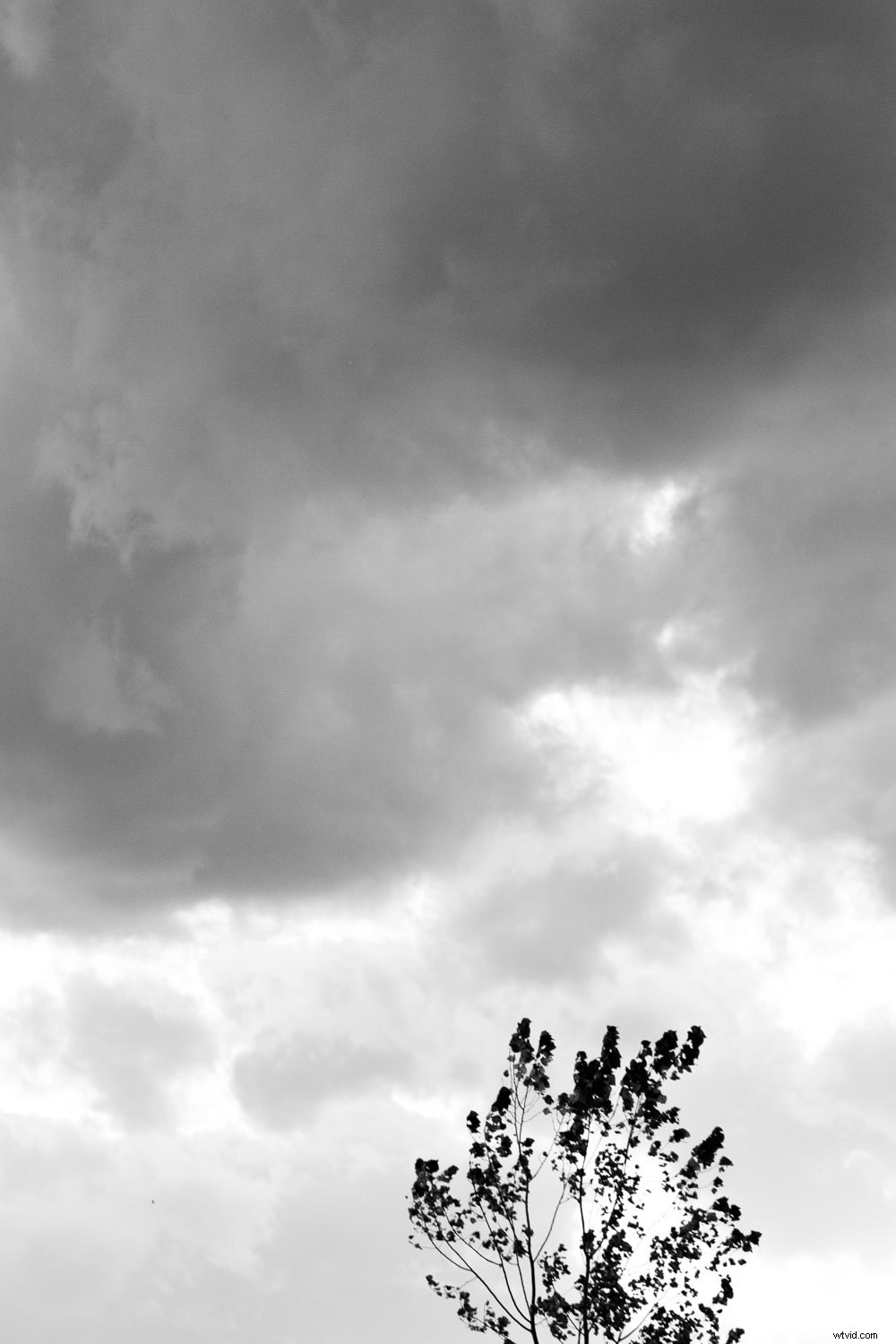
And then, when I take the shot, it looks exactly the way I envisioned.
Really, AF-S is an extremely useful mode and the one I recommend you use it whenever you’re shooting a motionless scene.
When should you use your AF-C focus mode?
You should use AF-C focus mode whenever you’re shooting action.
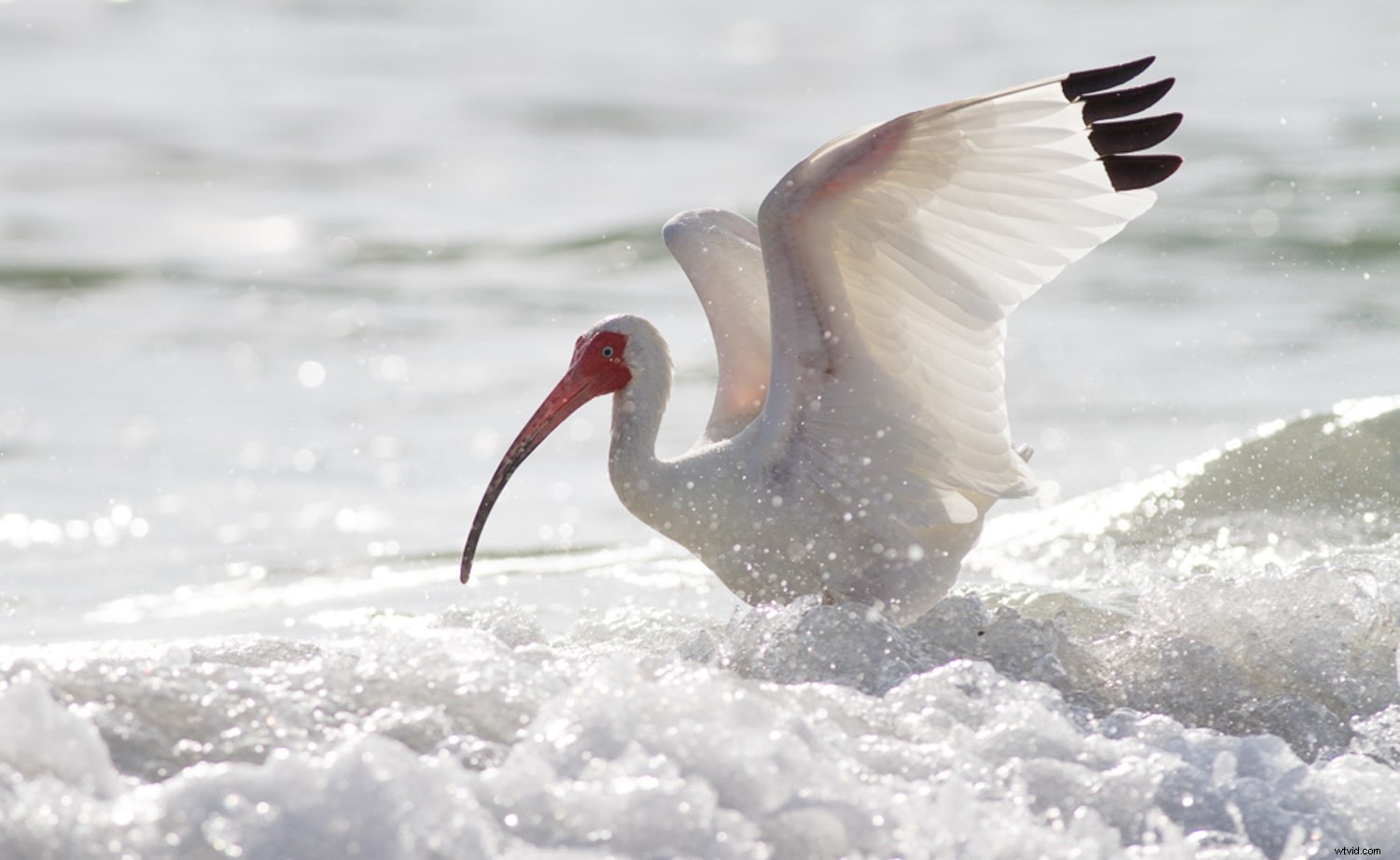
You see, AF-C mode allows you to focus and refocus, or focus and track a subject as it moves throughout the frame.
This is invaluable when shooting sports, where players rarely stay still long enough to allow for easy focusing.
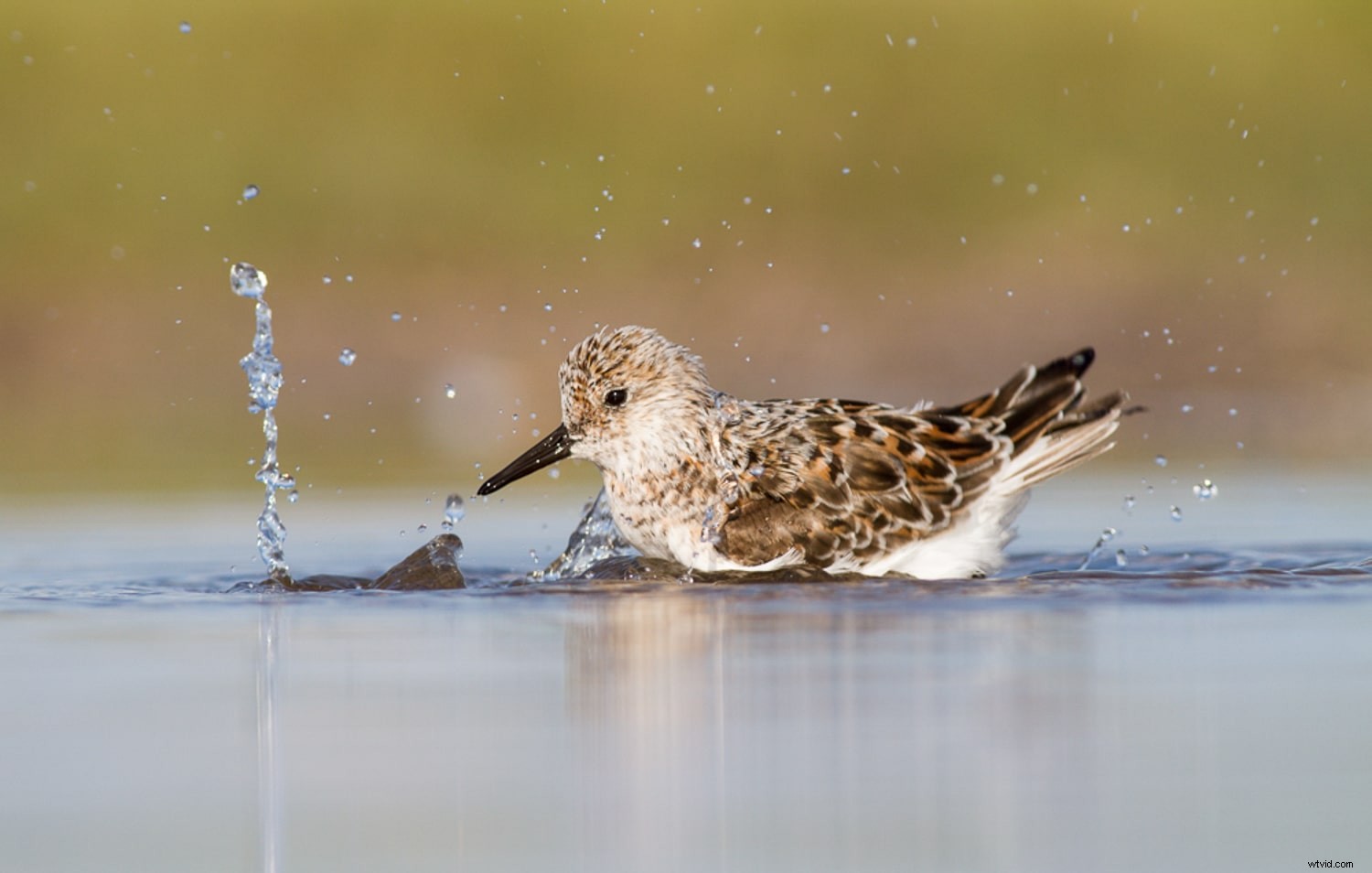
AF-C mode is also great for wildlife and bird photography because you’re frequently faced with fast-moving subjects at high magnifications.
And if you’re an insect photographer, you’ll also want to use AF-C mode, assuming you’re shooting an active subject such as a butterfly.
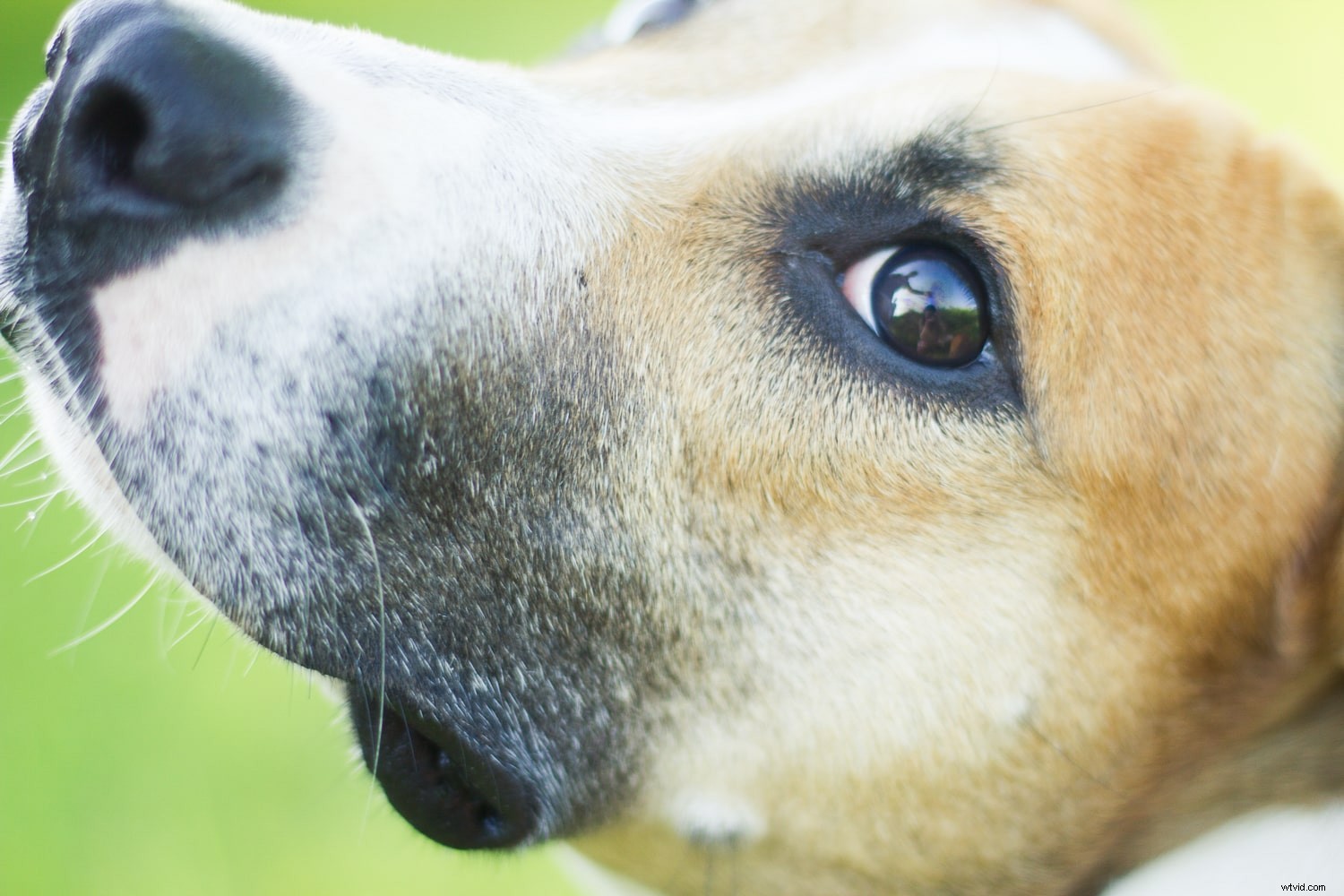
Even pet and street photographers can profit from using AF-C a lot of the time (though I recommend switching between AF-C and AF-S, depending on the situation).
You should also be aware that AF-C often offers quite a few useful AF Area Modes (which are mostly used for tracking). These allow you to specify whether a subject should be tracked at a single autofocus point, by a single point and nearby surrounding points, or across the entire frame.
So, bottom line:
If you’re choosing a focus mode when shooting action, pick AF-C.
When should you use your manual focus mode?

Manual focus is often a mode of last resort, and the one that you go to when AF-S and AF-C fail.
Manual focus is very, very slow. It can also be frustrating if you’ve not had much practice with it before. But it’s the only mode that is consistently accurate, no matter the lighting, and no matter the size or color of your subject.
You see, there are some situations where AF-C and AF-S just don’t work well.
- When the light is low
- When your subject is heavily backlit
- When your subject includes very little contrast
- When you’re working at very high magnifications
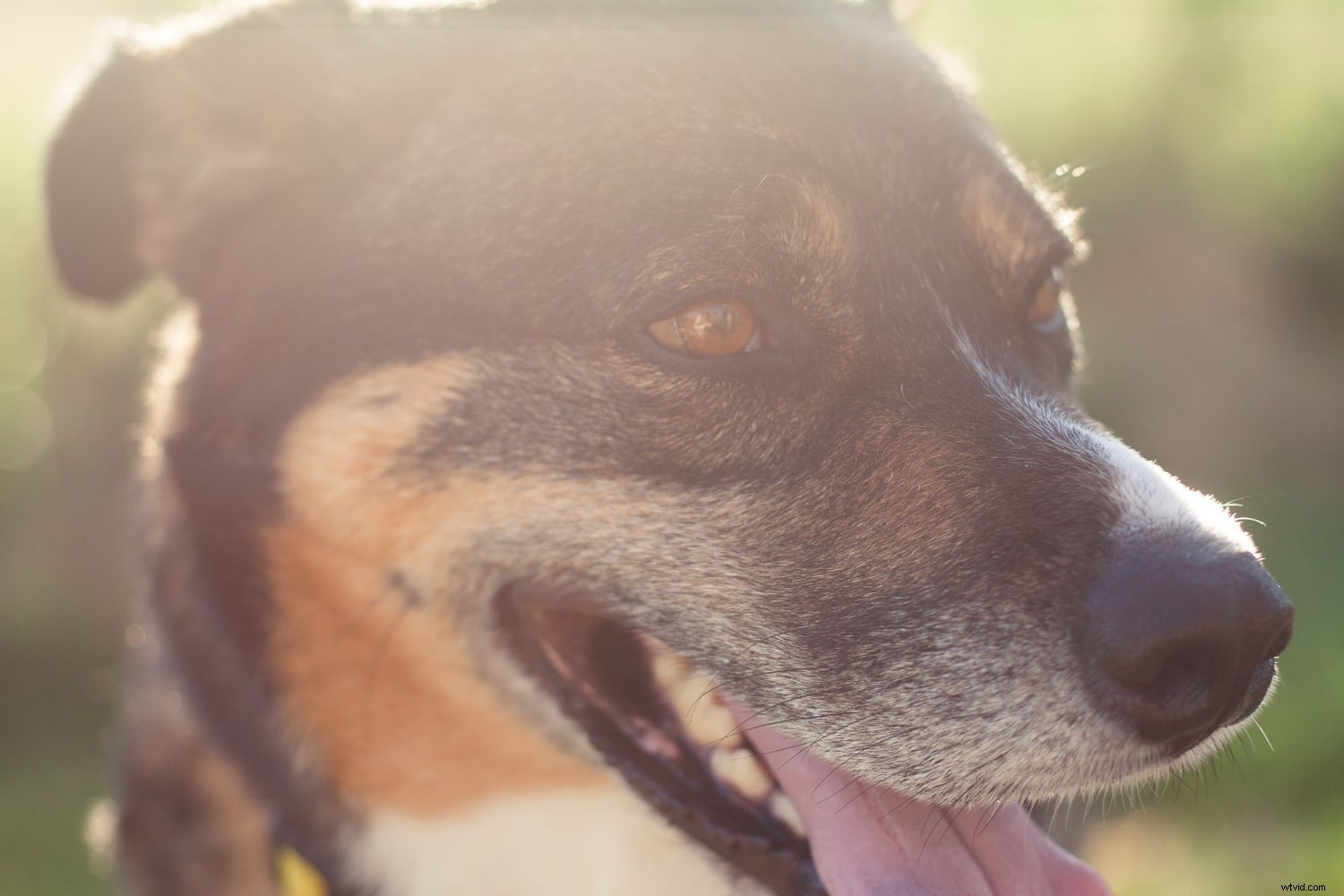
Whenever you’re confronted by these situations, your autofocus will hunt like crazy.
Until you switch to manual, that is!
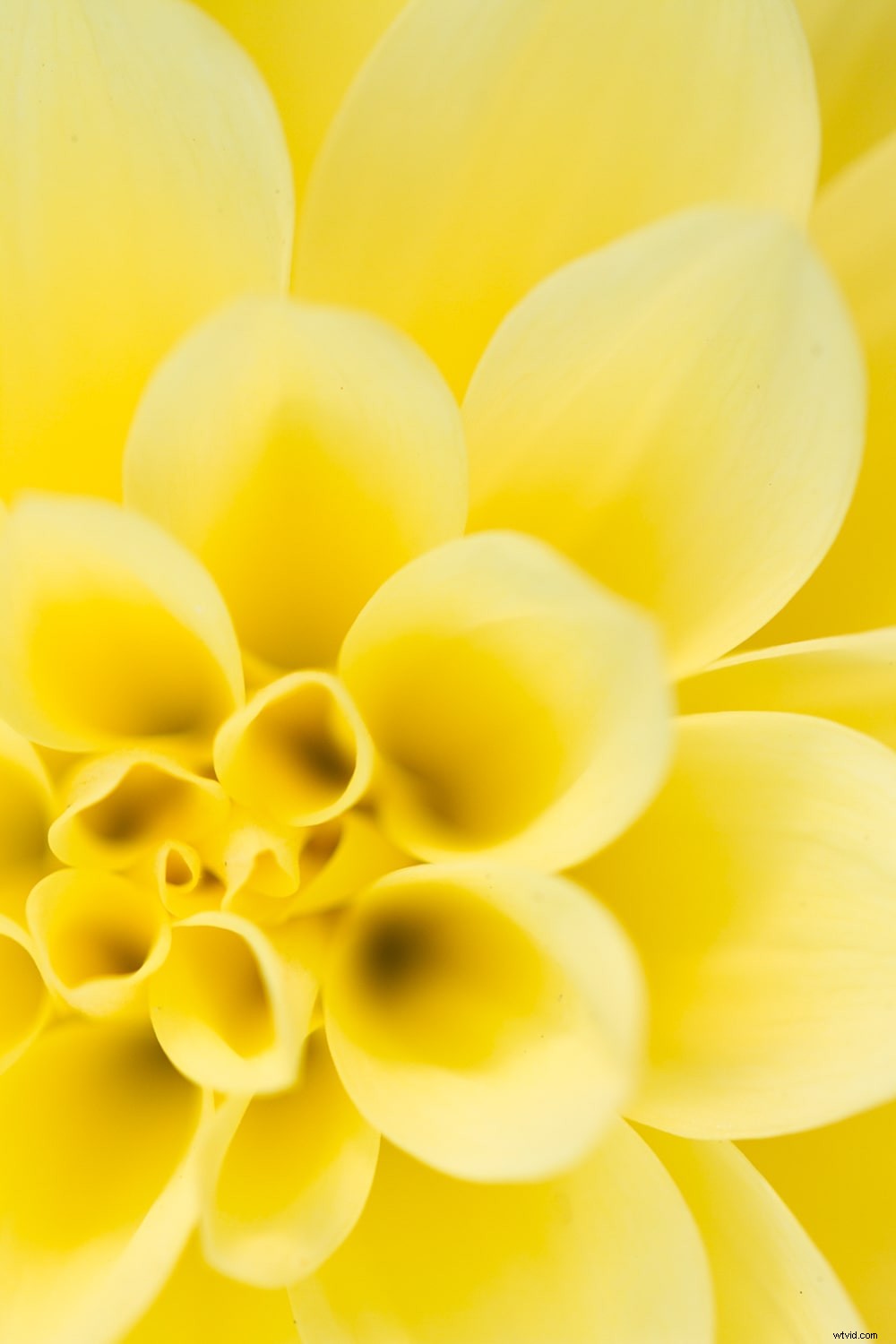
For instance, I do all of my macro photography in manual focus mode. My lenses just can’t handle focusing at such close distances.
I also do still life photography while focusing manually, because I often work in dim light (with a couple of flashes).
I’ve also used manual focus when photographing birds, because my AF-S and AF-C modes struggle when shooting backlit silhouettes.
Note that manual can also be used for finer control over your point of focus. Many landscape photographers use manual focus mode for this very reason. It allows you to choose a point of focus that maximizes your depth of field, and it even allows you to do precise focus-stacking with ease.
So don’t think that manual focus is only for a few specialized genres of photography. It can be useful in a number of different situations, and it pays to practice frequently.
That way, next time you’re in a situation where your autofocus isn’t working, you can quickly switch over to manual and nail the shot.
How to choose the perfect focus mode: Conclusion
Now that you’ve finished this article, you know that choosing a focus mode doesn’t have to be hard.
Because you know about AF-S (which is great for still subjects).
You know about AF-C (which is perfect for action photography).
And you know about manual focus, which is useful in quite a few scenarios (including macro, landscape, and still life).
Now over to you:
Which focus mode is your favorite? And how do you go about choosing a focus mode? Let me know in the comments!