
Over the past decade, mobile usage has surged, reshaping how audiences consume video. The vertical format—9:16 aspect ratio—has emerged as the natural fit for smartphone screens, delivering an immersive, full‑screen experience that aligns with how users hold their devices.
According to Ziflow, more than 75 % of all video views now occur on mobile, and platforms such as Instagram, TikTok, and Snapchat prioritize vertical content, rewarding creators with up to four times higher engagement than horizontal videos (Reelnreel). A 2026 State of Video Marketing survey shows that 91 % of businesses already leverage video to stay relevant in this mobile‑centric landscape.
Why Vertical Video Matters for Mobile Marketing
Vertical video is not a passing trend; it represents a fundamental shift toward mobile‑first communication. With 94 % of smartphone users holding their phones vertically while watching content (Embryo), a video that fills the entire screen keeps viewers engaged and reduces friction. In fact, vertical formats can boost completion rates by 80–100 % on mobile versus horizontal versions (Reelnreel).
Brands that adopt vertical video experience faster brand recall and higher interaction rates, as calls‑to‑action fit naturally into the screen‑wide layout. The result? A more compelling narrative that resonates quickly with on‑the‑go audiences.
What Makes a Video Vertical?
Key Characteristics
Vertical video uses a taller-than-wide frame (typically 9:16), demanding a tighter composition. Creators must prioritize essential visual elements, center subjects, and use dynamic movement to sustain interest within a narrow canvas.
Beyond aesthetics, vertical footage feels personal and intimate—almost like a one‑on‑one conversation—making it easier for brands to establish a stronger connection with viewers.
Historical Evolution
From early skepticism about wasted screen real‑estate to Snapchat’s pioneering Stories, vertical video has grown from niche to mainstream. Today, 93 % of video marketers consider video integral to their overall strategy (State of Video Marketing 2026), underscoring the format’s importance.
Impact on User Engagement
Enhanced Experience
Vertical videos eliminate the need to rotate devices, offering a seamless experience that boosts user satisfaction. The full‑screen view keeps audiences focused, leading to significantly higher completion rates.
Engagement Metrics
Industry data confirm that vertical videos outperform horizontal ones in view‑through and completion rates. For example, vertical content on Instagram and TikTok achieves an average engagement rate of 0.35 % (Ziflow), and 83 % of video marketers report a direct sales lift from video campaigns (State of Video Marketing 2026).
Best Practices for Vertical Video Production
Design‑For‑Format
- Prioritize Key Visuals: Highlight the most important elements immediately.
- Use Dynamic Movement: Keep the narrow frame lively.
- Center Your Subject: Maintain focus in a constrained space.
Conciseness is critical: 15–60 second clips perform best on Instagram and TikTok, while YouTube Shorts and Facebook Stories allow slightly longer formats.
Captions & Graphics
Since many viewers watch videos without sound, captions and visual overlays are essential for clarity and accessibility. Engaging text and animated graphics guide viewers through the narrative, sustaining interest even in silent mode.
Platform‑Specific Strategies
- Instagram: Stories and Reels for quick, compelling messages.
- TikTok: Trend‑driven, creative content that rewards novelty.
- Snapchat: AR filters and playful effects to boost interaction.
- YouTube & Facebook: Shorts and Stories to integrate vertical video into broader campaigns.
Tailoring content to each platform’s nuances maximizes reach and viral potential.
Case Studies
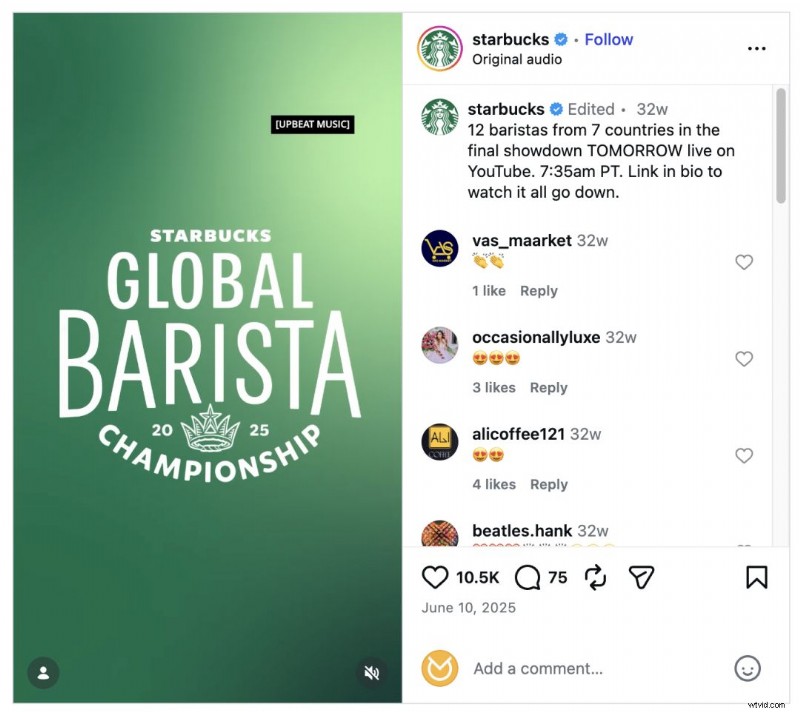
Starbucks on Instagram Stories
Starbucks used vertical video to showcase new products with vibrant visuals and concise messaging, driving high engagement among coffee enthusiasts.
Nike on TikTok
Nike leveraged TikTok’s vertical format to create immersive, trend‑based content—combining dance challenges and user‑generated clips—to strengthen community interaction and brand presence.
These examples illustrate how vertical video can amplify brand storytelling and foster authentic connections.
Challenges & Considerations
Production Hurdles
Traditional cameras and rigs favor horizontal shots, so producing vertical footage often requires specialized equipment, thoughtful lighting, and precise framing. Repurposing existing content demands careful editing to maintain visual coherence.
Balancing Creativity & Messaging
While creativity is vital, vertical videos must also reinforce brand identity. Aligning visuals with brand guidelines ensures that storytelling enhances, rather than eclipses, core values.
Future Trends
Augmented Reality & AI
AR integration offers interactive, branded experiences that can elevate engagement, while AI‑driven editing tools streamline production and personalize content delivery. These technologies promise cost‑effective, high‑quality vertical video solutions.
Consumption Outlook
With over 65 % of digital marketers incorporating vertical video into campaigns (Reelnreel), the format’s dominance is set to grow. Brands that deliver authentic, interactive vertical content will remain at the forefront of audience engagement.
Conclusion
Vertical video is more than a trend; it’s the definitive format for mobile‑first marketing. By embracing best practices, staying attuned to platform dynamics, and leveraging emerging technologies, brands can unlock the full potential of vertical storytelling.
With 14 + years of expertise, Wyzowl is ready to help you craft compelling vertical videos that resonate with today’s mobile audience. Contact us today to elevate your brand’s video strategy.