
We’ve curated 24 standout advertising examples to spark your next marketing strategy. In a crowded market, distinguishing your brand starts with a compelling campaign.
Get to know the different types of advertisements
Advertising is a paid, results‑driven activity that comes in many formats. Below are the most common types and key formats for each.
Print advertising
Print ads remain relevant because they offer tangible, long‑lasting touchpoints.
- Billboards
- Flyers & brochures
- Vehicle wraps & bus signage
- Newspaper & magazine ads
- Direct mailers
Print dates back to ancient civilizations, but modern print advertising took off in Europe during the 16th–17th centuries. Its physical nature gives it a high retention rate.
Radio advertising
Radio and audio streaming offer three primary formats:
- Short commercial breaks
- Sponsored content & promotions
- Interstitial & banner ads
Since the early 20th century, radio has been an effective low‑cost medium for national reach. Podcasts now provide highly targeted, engaged audiences.
Television advertising
The first TV commercial aired in 1941 during a baseball game. Television combines visual storytelling with audio, delivering the best of both print and radio.
Digital streaming platforms (e.g., Hulu) now allow ads before, during, or after content, expanding reach beyond traditional broadcast.
Online advertising
Online advertising began with email in the 1970s and banner ads in the 1990s. It encompasses display, video, native, and search formats.
Because of its versatility, online advertising is the most powerful tool in a brand’s arsenal, but it works best when paired with other channels.
Native advertising
Native ads blend seamlessly with editorial content, generating 18% higher purchase intent. Examples:
- Sponsored articles
- Promoted tweets
- Social media feed ads
Outdoor advertising
Outdoor formats reach broad audiences in public spaces:
- Billboards
- Transit ads (buses, trains, taxis)
- Street furniture (benches, kiosks)
Billboards can reach 71% of drivers in a week, while transit ads target commuters and street furniture captures high foot‑traffic areas.
24 of the best advertisement examples of all time
Below are 24 iconic campaigns that demonstrate creativity, strategic insight, and measurable impact.
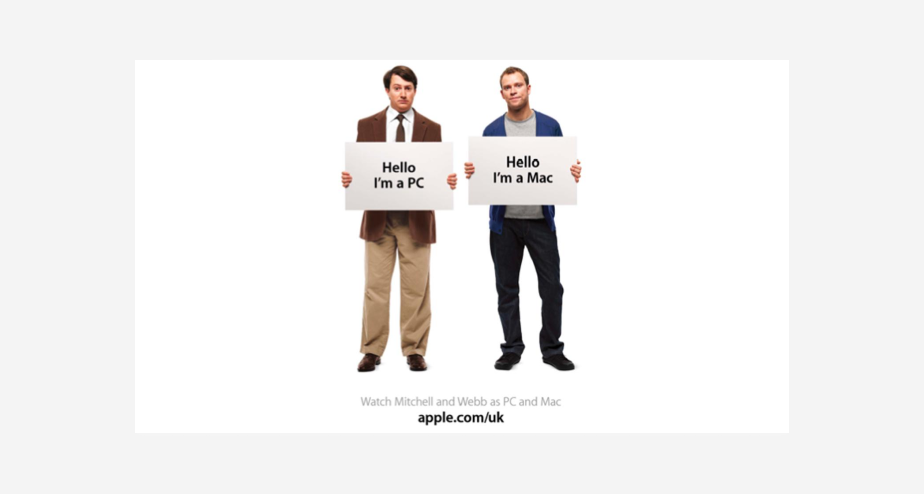
01. Apple MacBook's “Get a Mac”
Launched in 2006, the campaign positioned the MacBook as a modern, user‑friendly alternative to Windows PCs. The contrasting characters “Mac” and “PC” reinforced Apple’s premium positioning and drove significant market share gains.
02. KFC’s “FCK” apology
After a UK chicken shortage in 2018, KFC released a cheeky “FCK” ad that turned frustration into humor, restoring customer goodwill and engagement.

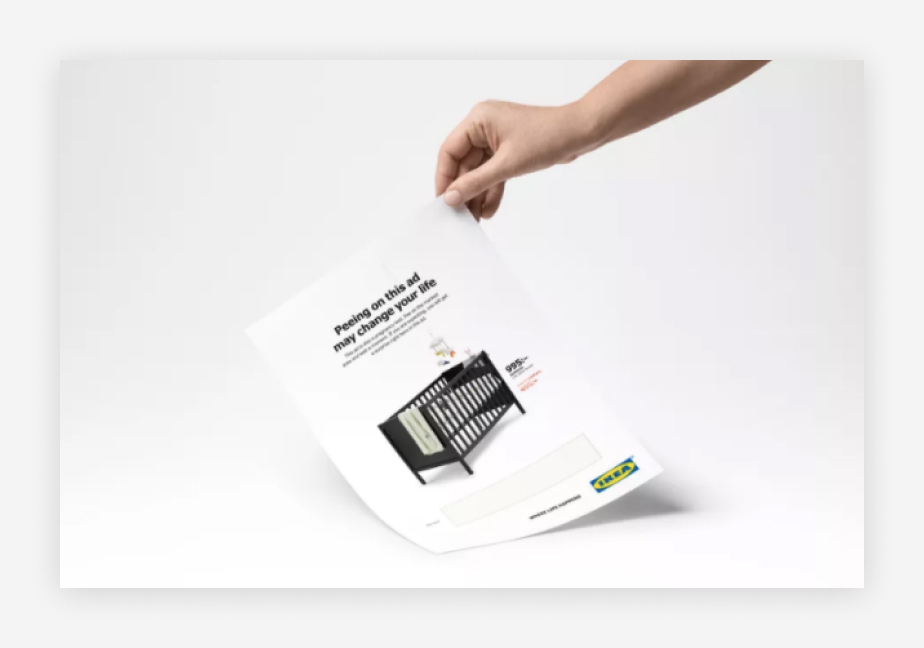
03. IKEA’s “pee on this”
IKEA’s 2018 campaign invited expectant mothers to test a pregnancy sticker on a crib, combining free health testing with product promotion and generating viral buzz.
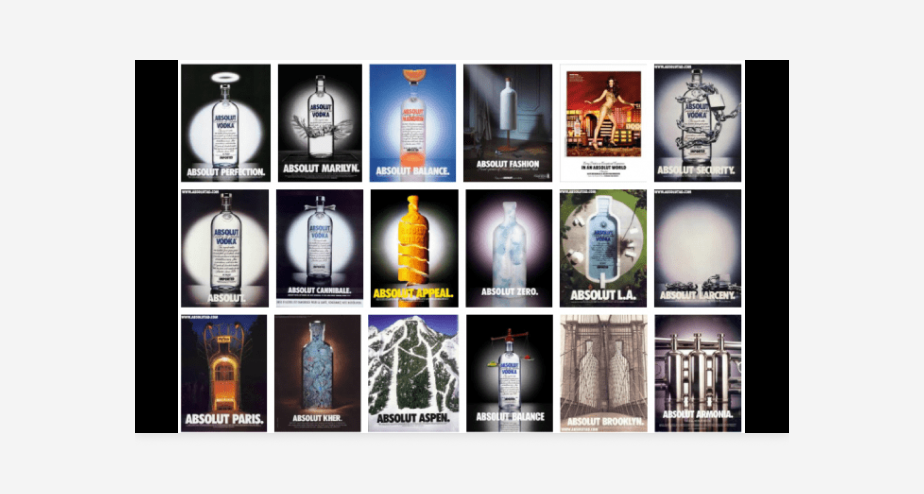
04. Absolut Vodka’s “Absolut Bottle”
Since 1980, Absolut’s consistent bottle‑centric visuals—e.g., “Absolut Warhol”—set a new standard for visual storytelling and brand recognition.
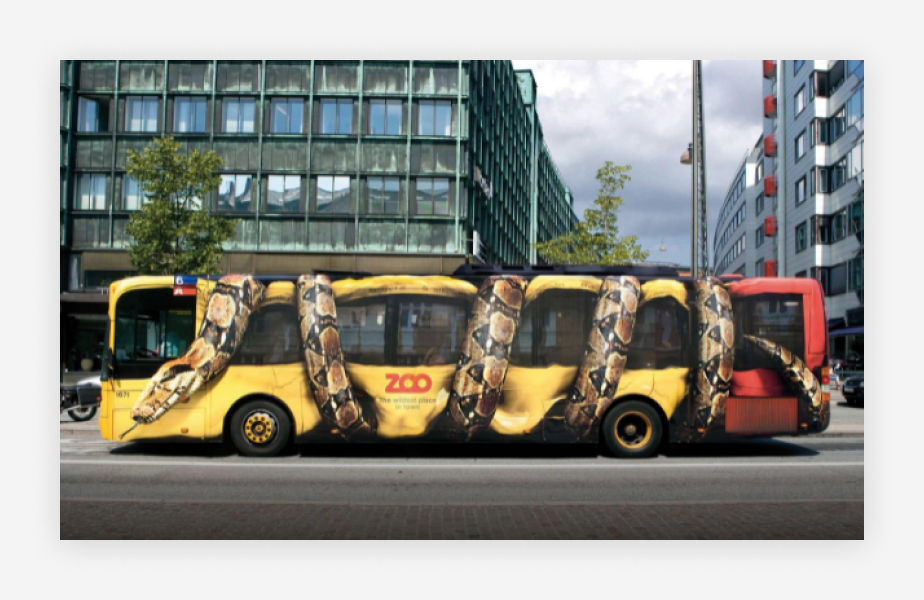
05. Copenhagen Zoo’s snake bus
Bates Y&R created a bus that looked like a snake, provoking commuters to avoid it. The illusion demonstrated high impact from a modest budget.
06. Audible’s “There’s another way to get away”
Audible leveraged an audio‑centric narrative that resonated with post‑pandemic longing for travel, turning the medium into a storytelling platform.
07. Nike’s “Just Do It.”
Created in 1988, the slogan drove Nike’s market share from 18% to 43% by 1998. It remains a timeless call to action that transcends language.
08. Old Spice’s “The man your man could smell like”
Targeting the unexpected 60% female buyer demographic, Old Spice’s 2010 Super Bowl ad boosted sales by 60% in four months and earned critical acclaim.
09. VW & Stephen Hawking
Using Hawking’s voice to promote a car sparked debate but also captured attention, demonstrating the power—and risk—of celebrity endorsements.
10. McDonald’s ad outro
Collaborating with Justin Timberlake, Pharrell Williams, and Pusha T, McDonald’s original “I’m Lovin’ It” jingle became a cultural touchstone, though the original creators remain Heye & Partner and Mona Davis Music.
11. Snickers’ “Hungry Betty White”
BBDO’s 2010 Super Bowl spot featuring Betty White became an iconic reminder that “You’re not you when you’re hungry,” driving global reach.
12. Herbal Essences “Yes! Yes! Yes!”
By equating shampoo with climax, the campaign sparked debate but created a memorable association that still resonates today.
13. Dunkin’ Donuts’ “American runs on Dunkin’”
Launched in 2006, the multi‑channel campaign repositioned Dunkin’ as America’s coffee companion and later shifted focus to product‑driven messaging.
14. ASPCA’s “In the Arms of An Angel”
The emotional PSA, paired with Sarah McLachlan’s music, raised over $30 million in two years, illustrating the power of storytelling in advocacy.
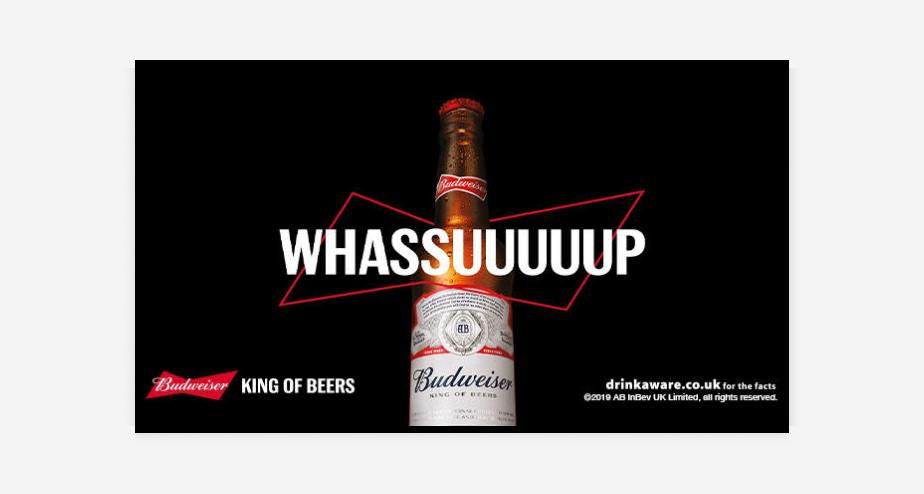
15. Anheuser‑Busch’s “Whassup?”
Running from 1999 to 2002, the catchphrase captured everyday camaraderie and became a cultural icon, boosting brand recall.
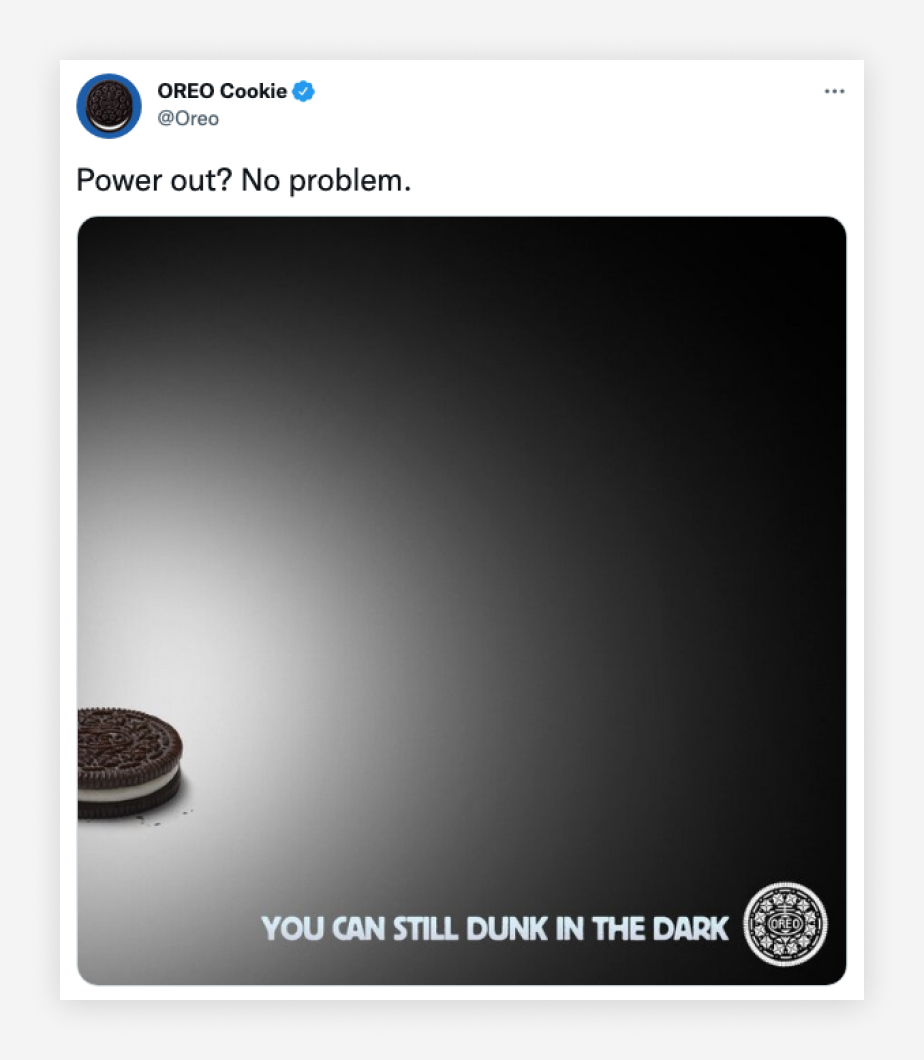
16. Oreo’s “Dunk in the dark”
When a power outage hit New York City, Oreo’s real‑time tweet—“Dunk in the dark”—governed an instant viral moment, demonstrating agile brand responsiveness.
17. Taco Bell’s “Routine Republic”
Critically panned yet highly discussed, the 3‑minute film compared McDonald’s breakfast routine to a dystopia, showcasing bold, humorous positioning.
18. Motel 6 & Tom Bodette
The campaign embraced Motel 6’s affordability, using user testing to reinforce the brand promise of low cost.
19. Wendy’s “Where’s the beef?”
Wendy’s 1984 ad highlighted fresh beef patties, creating a phrase that entered everyday language and remains a brand touchstone.
20. “Dumb Ways to Die” PSA
McCann Erickson’s 2012 safety campaign for Metro Trains Melbourne became a global phenomenon, winning two Cannes Lions and generating millions of views.
21. Dollar Shave Club’s intro video
The $4,500 YouTube launch video generated 12,000 orders in 48 hours, turning a viral ad into a $1 billion business.
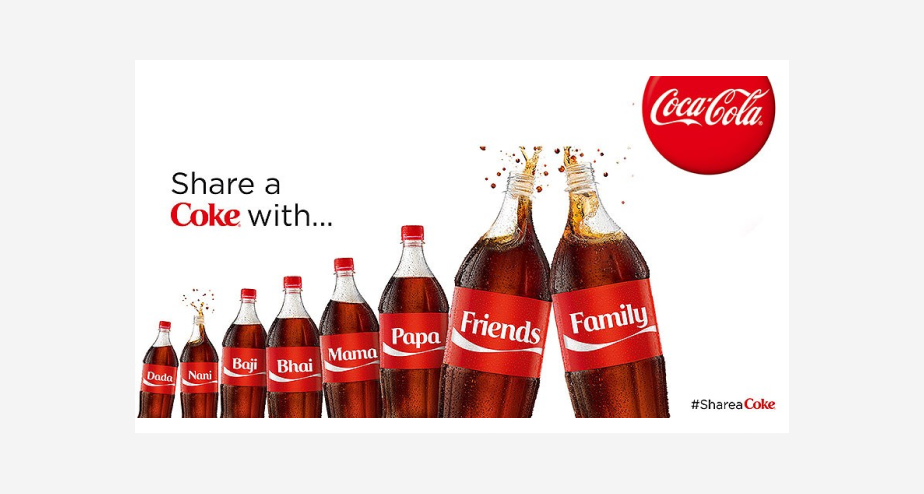
22. Coca‑Cola’s “Share a Coke”
Since 2011, the personalized bottle campaign increased engagement and sales by inviting consumers to share a drink with a name.
23. Dove’s “Real Beauty”
Unilever’s 2004 campaign celebrated diverse, real women, sparking global conversations about beauty standards and strengthening brand loyalty.
24. Dos Equis’ “The Most Interesting Man in the World”
From 2006 to 2018, the suave hero’s witty tagline drove sales and cemented Dos Equis as a cultural icon.
What makes an advertising campaign successful: key takeaways from these examples
- Compelling creative concept—often first of its kind.
- Wide distribution across relevant, multiple channels.
- Data‑driven objectives and measurable results.
Different types of advertising campaigns
- Informative: Educate and build trust.
- Persuasive: Motivate action with emotional appeal.
- Reminder: Keep existing customers engaged.
- Reinforcement: Strengthen loyalty post‑purchase.
- Brand awareness: Build recognition through storytelling.
- Retargeting: Re‑engage non‑converted visitors.
What is a prankvertising ad example and why did it work?
TNT’s “Push to Add Drama” in Belgium placed a red button in a town square. When pressed, a staged action‑movie scene unfolded, creating shareable, immersive content that aligned with TNT’s brand promise.
What’s an example of a successful long‑form advertisement and why it worked?
Patagonia’s 27‑minute “Worn Wear” documentary showcased customer stories and sustainability values, offering authentic storytelling that reinforced the brand’s mission.
Advertisement examples FAQ
What are the best advertisement examples for beginners to try?
Start on social media with a 3‑second hook that solves a common frustration—this feels like a helpful tip rather than a pitch.
Are print advertising examples still used?
Yes—high‑quality postcards with QR codes offering exclusive discounts can still drive engagement.
What’s the number one thing that makes an advertisement example successful?
The hook—whether a startling statistic, relatable question, or unique visual—captures attention before scrolling continues.