
I recently saw a T-shirt for photographers which said, “I Can Freeze Time – What’s Your Superpower?” It got me thinking about all the things we can do with photography that take us beyond the scope of normal human vision. The time-space continuum isn’t sufficient here to discuss the how-to of all these different techniques, but instead, my intent is to at least expose (yes… a photographic pun) you to these various types of photography so you too can explore new superpowers at your command. Put on your tights and cape, and let’s go.
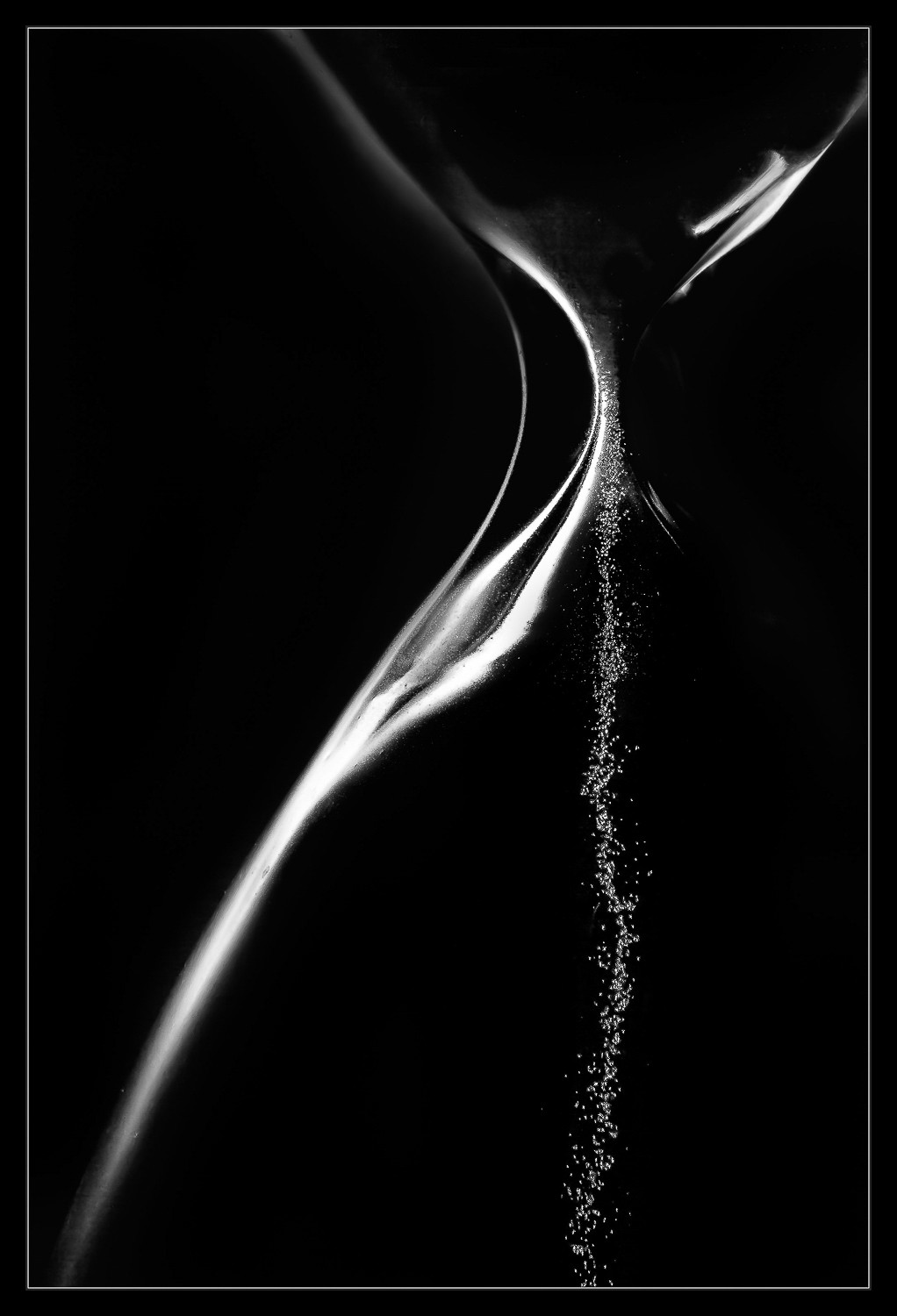
Einstein says…
Your head might explode if we got very deep into Albert Einstein’s theories, but one thing to consider as a photographer is his Theory of Relativity. He postulated that at the speed of light, time stands still. Do we as photographers really have the ability to freeze time? After all, the raw materials of photography are light and time.
When we make an exposure, we allow a measured quality of light to come into our cameras for a set period of time. The aperture controls that quantity of light. The shutter speed controls how long we allow that light to create an image on the sensor (or the film if you still use that stuff). ISO is simply how sensitive we choose to make the sensor to that admitted light.
Now, I’m no Einstein, not even a Bill Nye, but I think in some way, we really do have the ability to alter time with photography.
Take a quantum leap with me as we explore this.
Slivers of time
One of the main attractions of photography, even for those who are just snapshooters, is the ability to capture a moment. What the fallen giant photography company once called a “Kodak Moment.”
Every photograph captures a scene that never existed before that moment and ceases to exists afterward.
We record, and later can review, that sliver of time in a photograph. So in that sense, we really do have the ability to freeze time. Let’s look at some ways we do that.
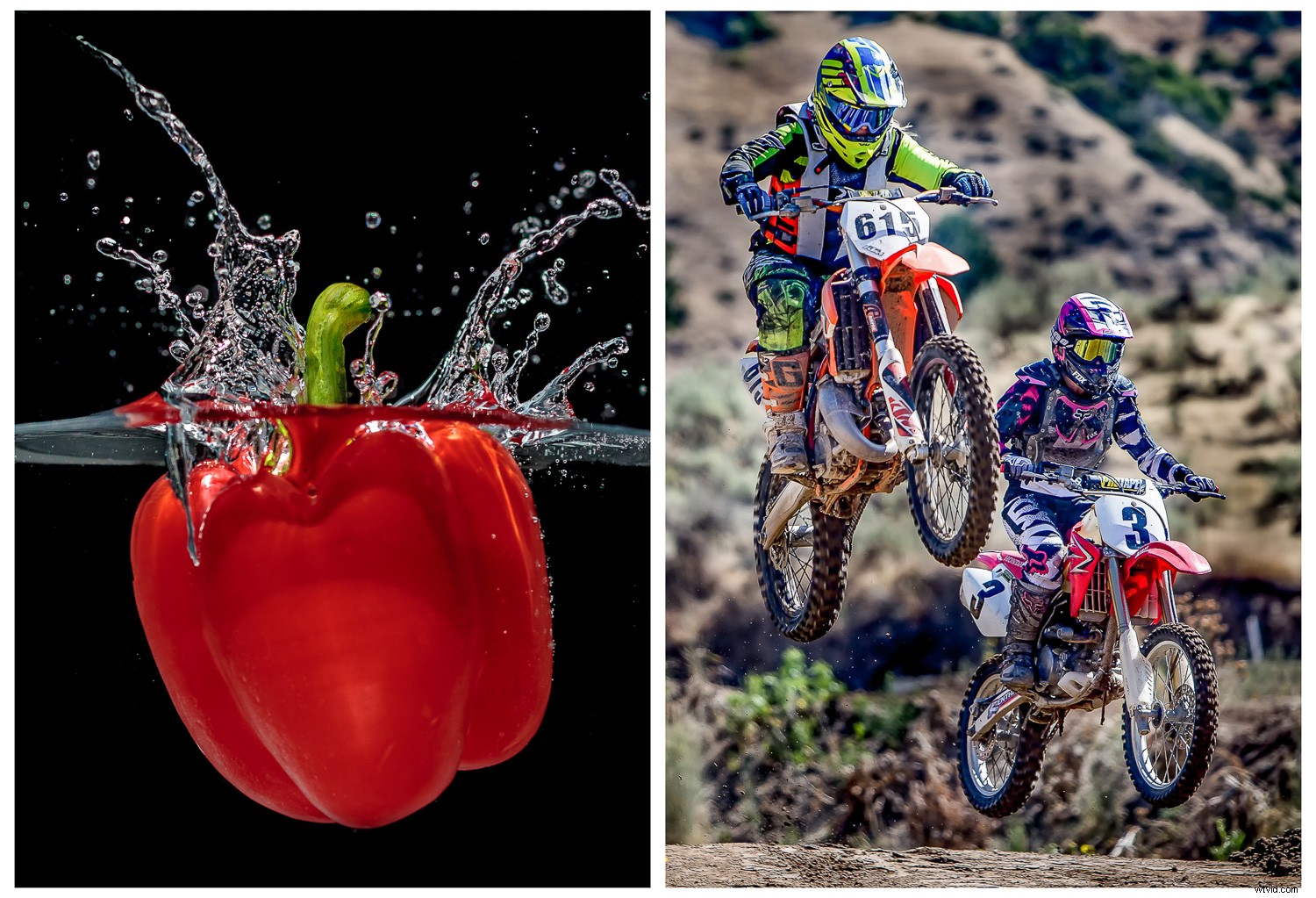
Shutter speed
How long we allow the shutter to stay open is the slice of time we capture. For example, if we shoot at 1/30th of a second, that’s the sliver of time we capture. Shorten the shutter speed to something like 1/500th of a second and that’s the slice of time captured.
This is the reason we need faster shutter speeds to freeze faster-moving objects. Light from the moving object comes into the camera from one point at the beginning of the exposure and other points as the subject moves until the shutter closes.
Static objects don’t move, so nothing much changes during the exposure duration.
Fast-moving objects travel a greater distance during the exposure. We can determine what shutter speed is necessary to freeze the object. The objective here is to not have the object move appreciably during the exposure, such that it appears “frozen.”
Most of our cameras top out at around 1/4000th to 1/8000th of a second. That can freeze some pretty fast action. But what if you have really fast-moving objects you want to freeze? You can meet your increased need for speed with flash.
Flash duration
If you’re a fan of superheroes, you no doubt have heard of The Flash. His superpower is the ability to move at incredible speed – so fast that he’s imperceptible to bystanders. He does have the ability to essentially freeze time, at least relative to the speed of normal humans.
You, as a photographer, can come closer to freezing really fast-moving objects with your flash.
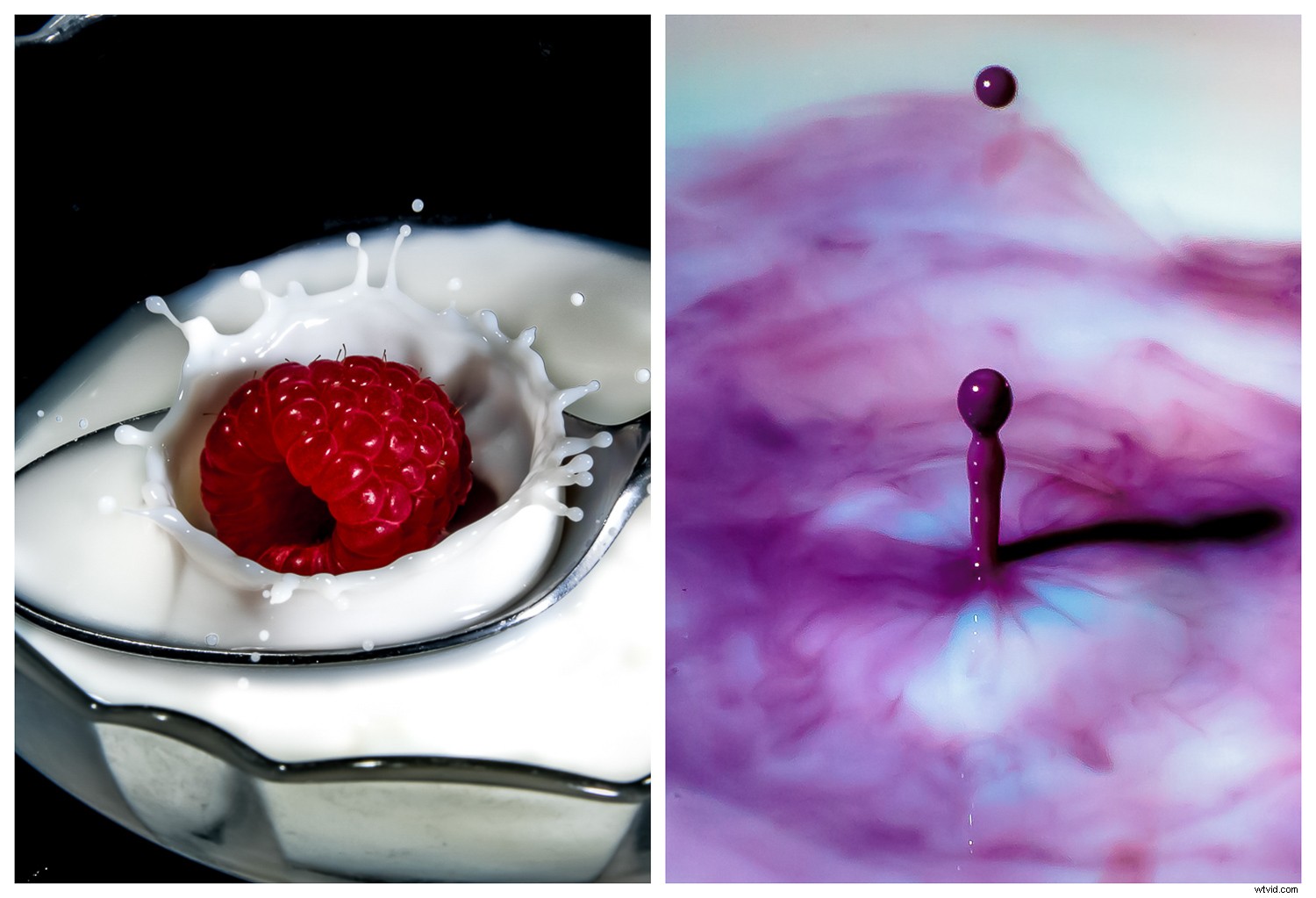
Your camera shutter might top out at 1/8000th of a second, but using the extremely short duration of a flash (ditto for Speedlights, studio strobes, any kind of stroboscopic light), you now up the game.
Rather than reduce the sliver of time with the shutter, you use a much shorter flash duration as the means of making your exposure. How much shorter?
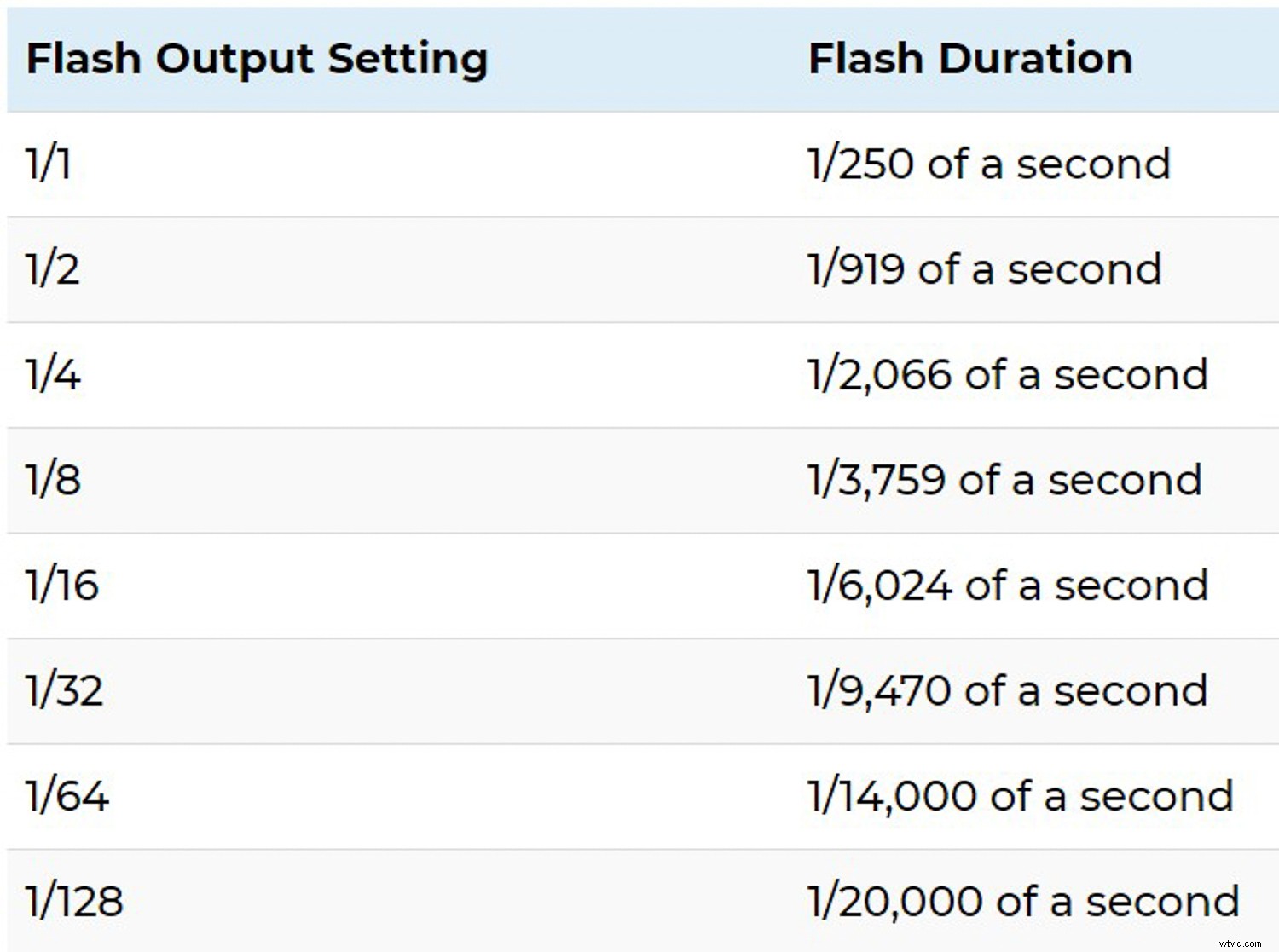
Look at the table below. This is for a Canon 580EX speedlight.
Different flashes will differ, but the constant is that the lower the flash power, the shorter the flash duration.
Note that at full-power, the 580EX has a flash duration of 1/250 sec. You can do better with just your camera shutter. But, at a setting of 1/128th power, we get some serious stopping power, a flash duration of just 1/20,000th of a second. That will freeze some really fast-moving subjects!
Before you get too cocky with your superpower of freezing time, I wanted to throw in what the big boys at the Massachusetts Institute of Technology (MIT) Media Lab have accomplished.
They have actually been able to take photographs at the speed of light, capturing the motion of photons (which move at about 186,282 miles per second, 299,792 kps, millions of times faster than even bullets).
The exposure duration, if that’s the right term for the MIT technique, is less than two-trillionths of a second!
Warping time
Freezing time is magic enough. But with photography, our superpowers don’t end there. Did you know you can also warp time, stretching it out or shrinking it down?
Let’s explore some other types of photography.
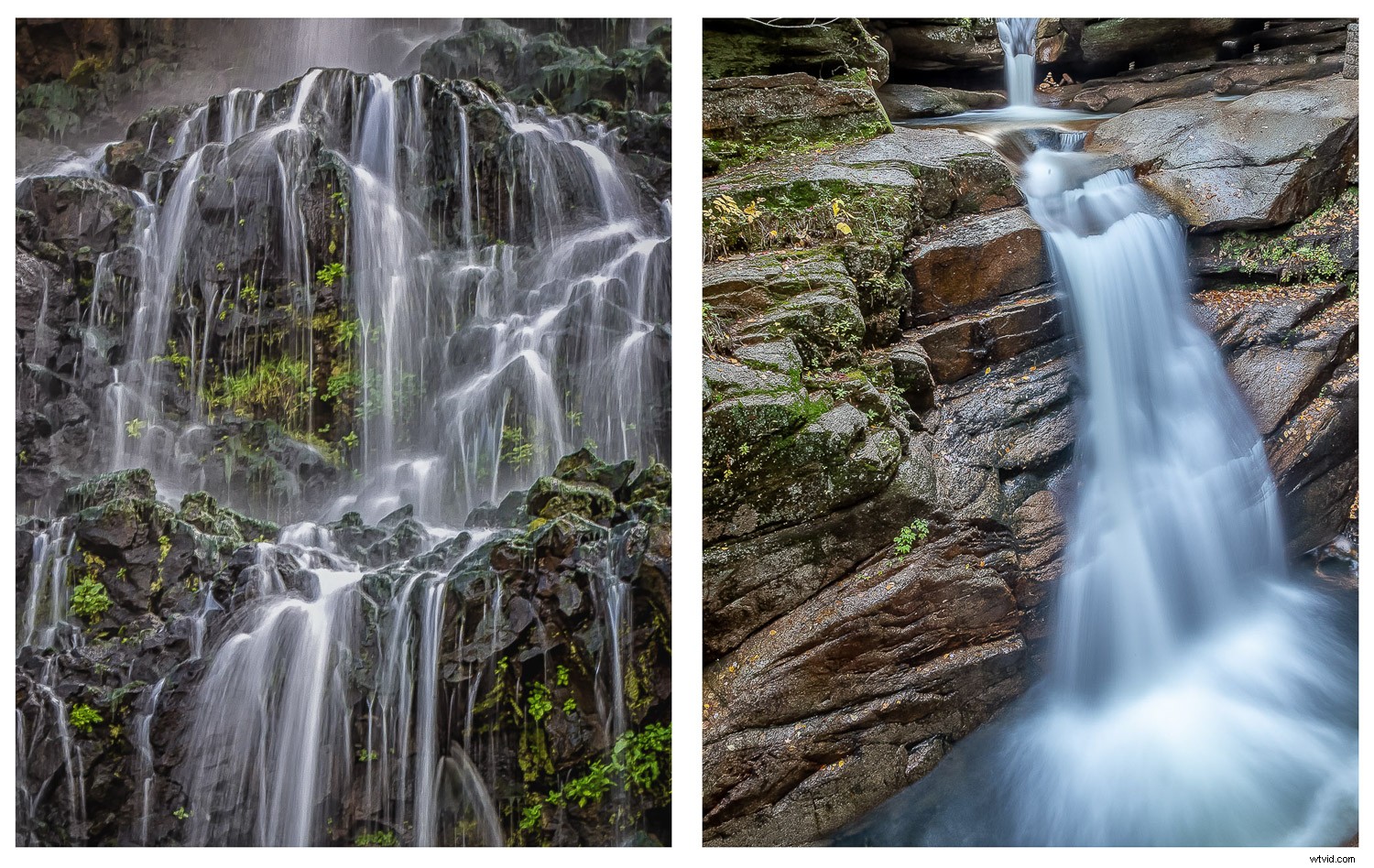
Stretching time
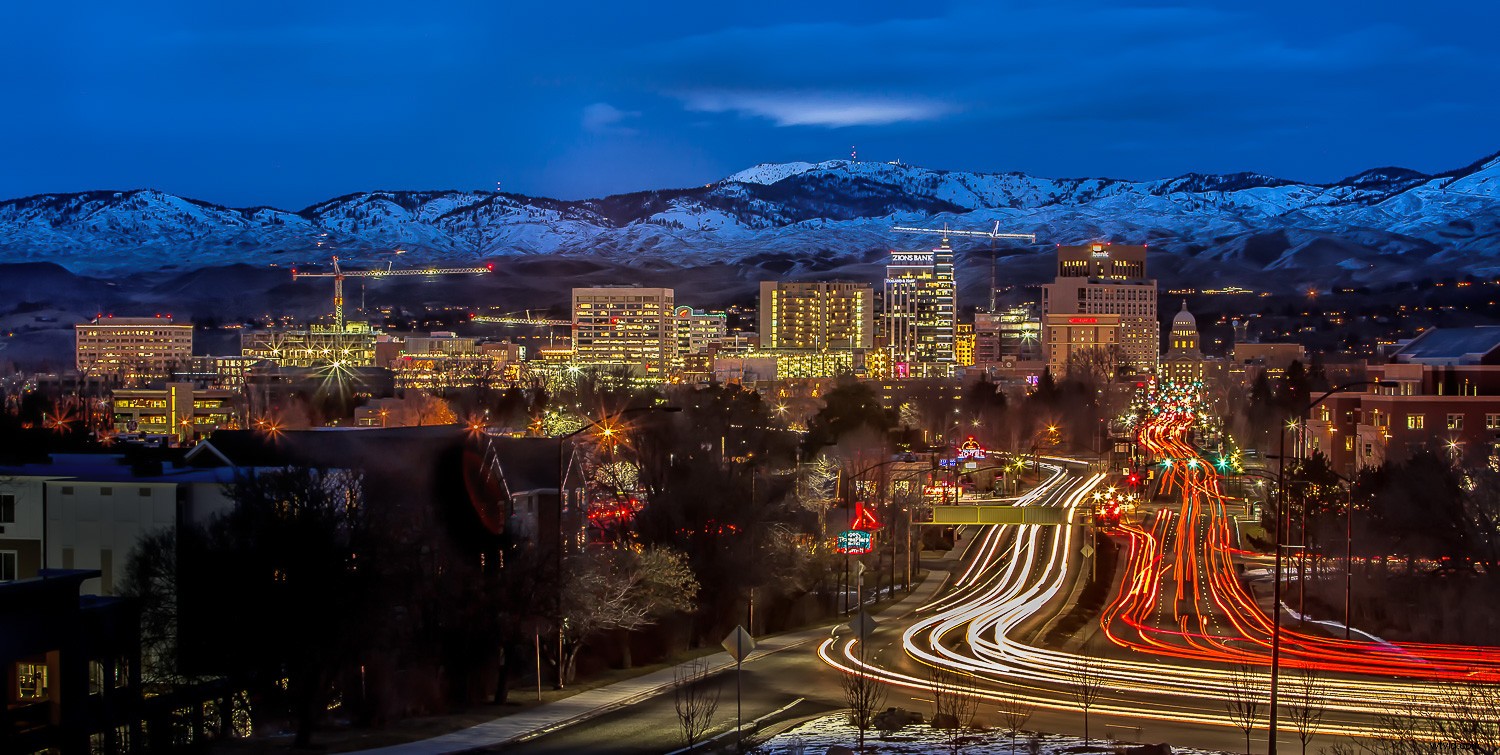
When we take a long exposure photo, we allow light to come into the camera for an extended period of time. All photos are, as described, a “sliver of time,” but sometimes we can allow that sliver to become quite long.
To not overexpose the image, we must still find proper exposure with the camera’s combination of aperture, shutter speed, and ISO.
We can set our aperture to the smallest opening of our lens, perhaps f/22, maybe f/32 or even f/64 on large format cameras with special lenses. We can reduce our ISO to maybe 50. That will maximize our shutter time.
If those settings still let in too much light, we can reach for Neutral Density filters to cut the light further and allow even longer exposures. Now we can make exposures that last for minutes, maybe even hours, rather than fractions of a second.
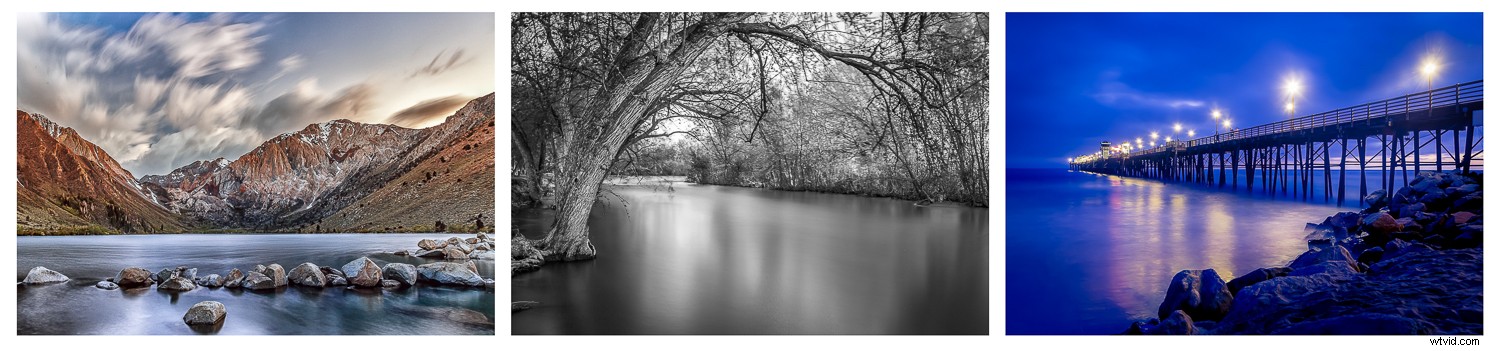
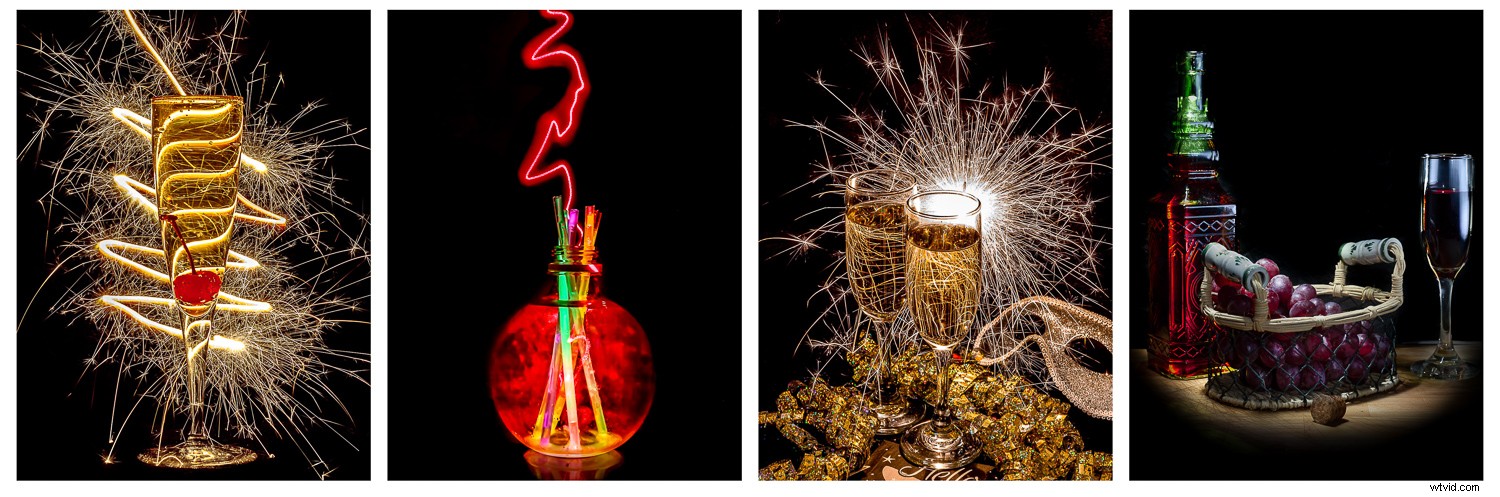
Of course, with special photo gear and know-how, you can get really radical.
The longest known photo exposures have a “shutter speed” of…get this – almost 3 years!
German photography artist, Michael Wesely, who does this kind of thing, says he estimates with the right setup, he could make an exposure that would last 40 years.
Another guy described as a “conceptual artist and experimental philosopher,” Jonathon Keats, has set up a camera he hopes will take a 1,000-year exposure.
Shrinking time
How about we go the other direction and shrink time?
Can we make a photo which reduces what took a long time into a short viewing duration?
One way to do this with a standard digital camera is to use what we call time-lapse photography. A camera with an intervalometer will take a shot every so often, taking many individual images over an extended period. Then, combining the images into what essentially becomes frames in an animation. The long duration becomes a much shorter time-lapse video.
Time is shrunken down. What might have taken days to shoot, can be viewed in seconds.
If you’ve seen sequences of things like flowers growing or fruit rotting, this is the technique. Here’s my feeble attempt. I’ve forgotten how many individual shots it took to make even this very short 7-second video clip – but it was a bunch.
I can’t even begin to fathom what it takes to make a truly epic timelapse like this one.
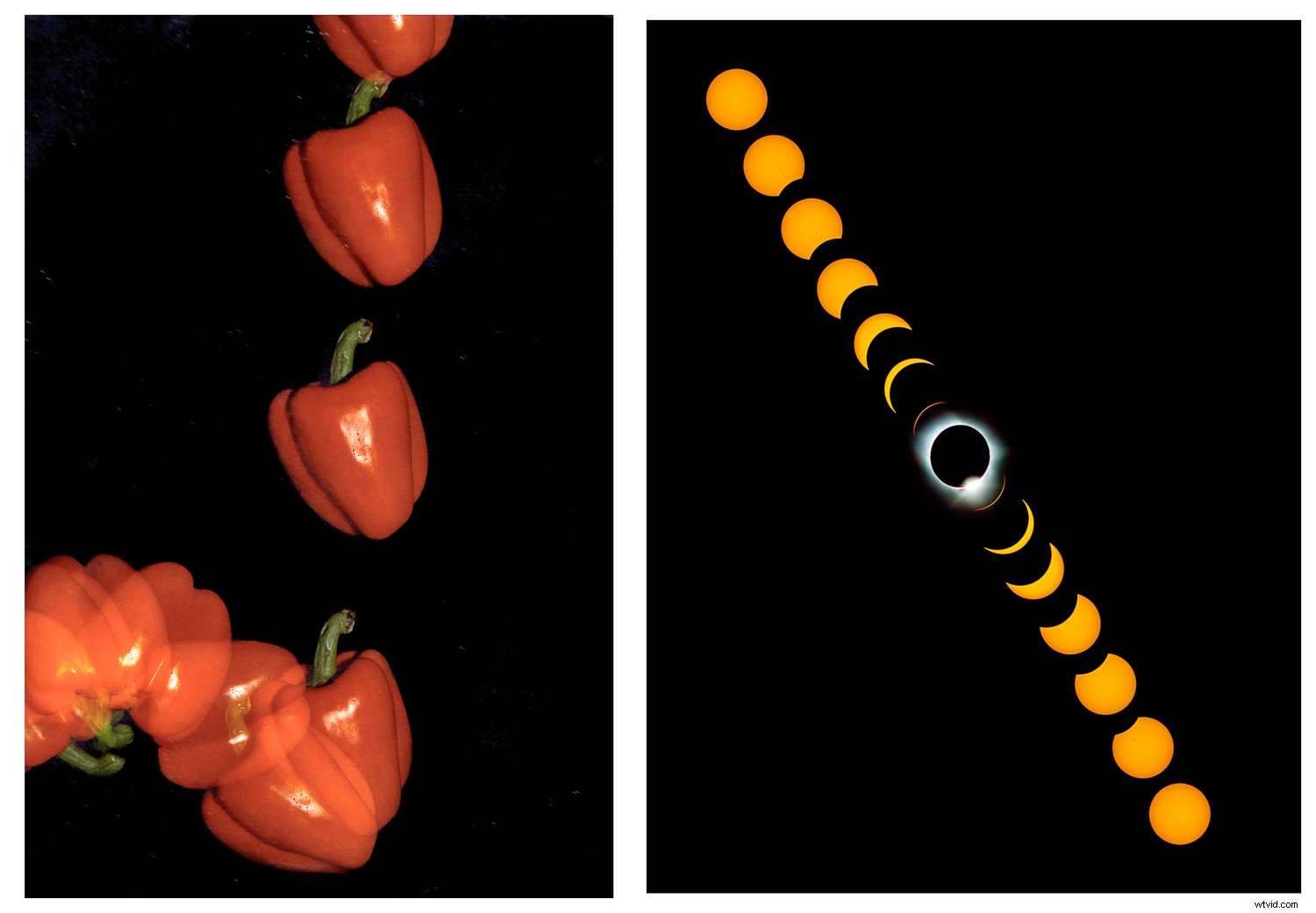
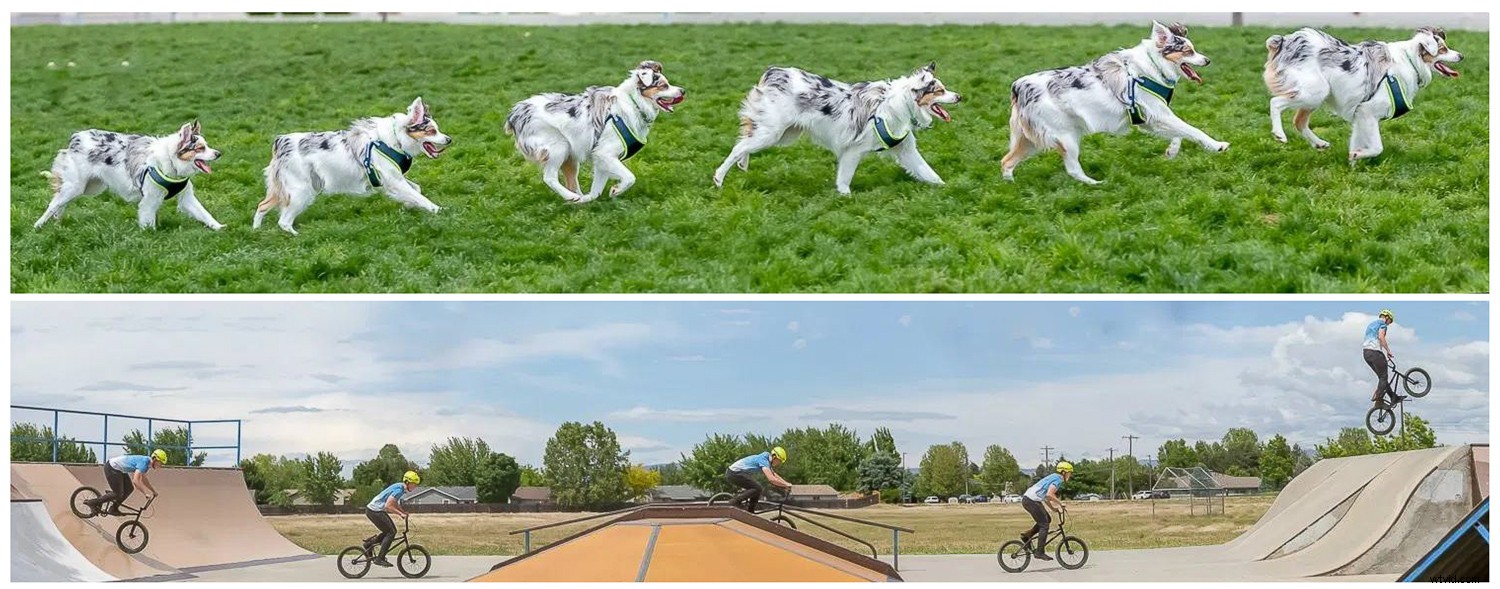
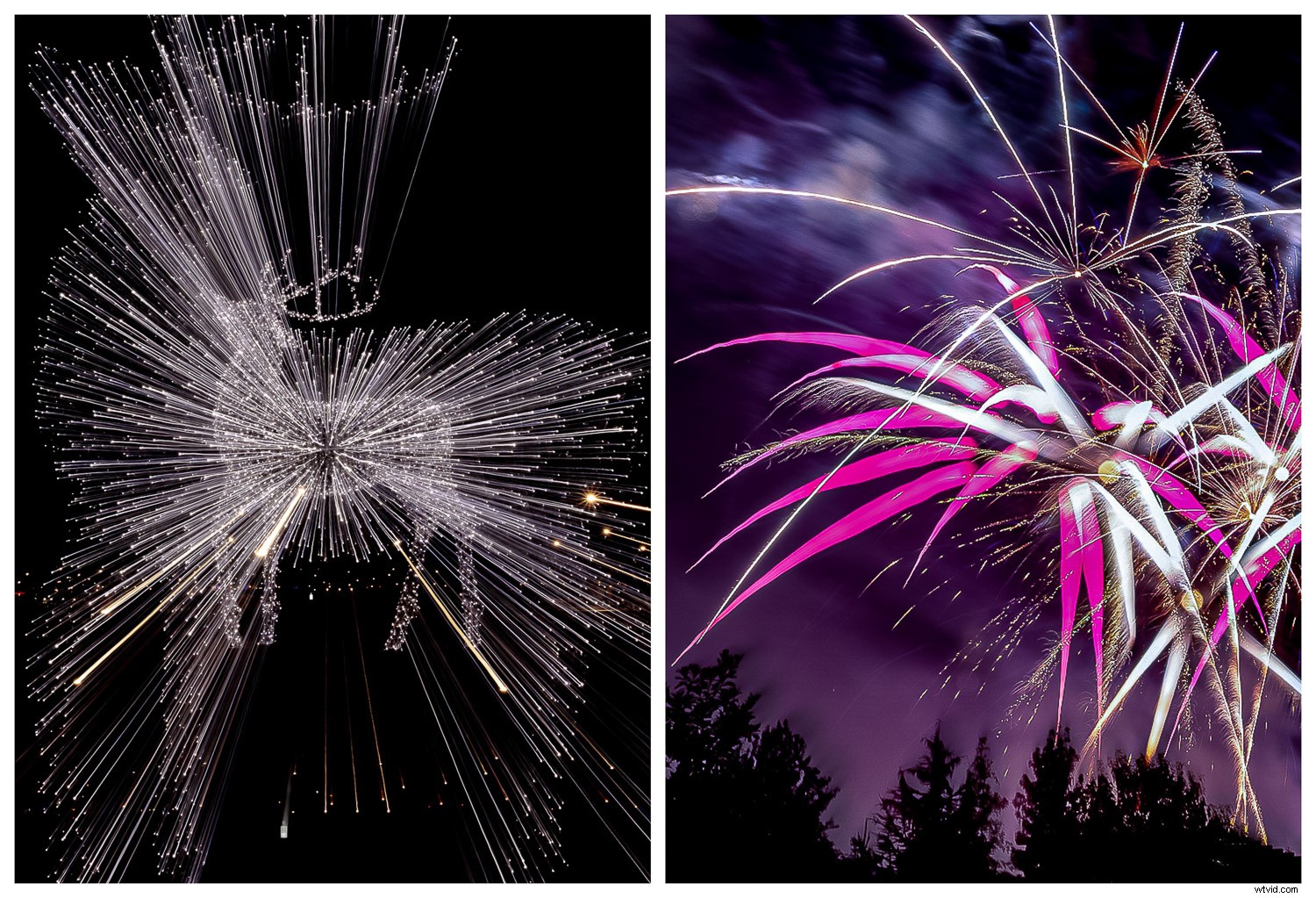
Another option is to do this in an all-in-one, non-moving image. Taking multiple exposures and combining them into the same final composited image uses this technique. Take a look at the techniques I used in the following images.
Intentional Camera Movement – ICM
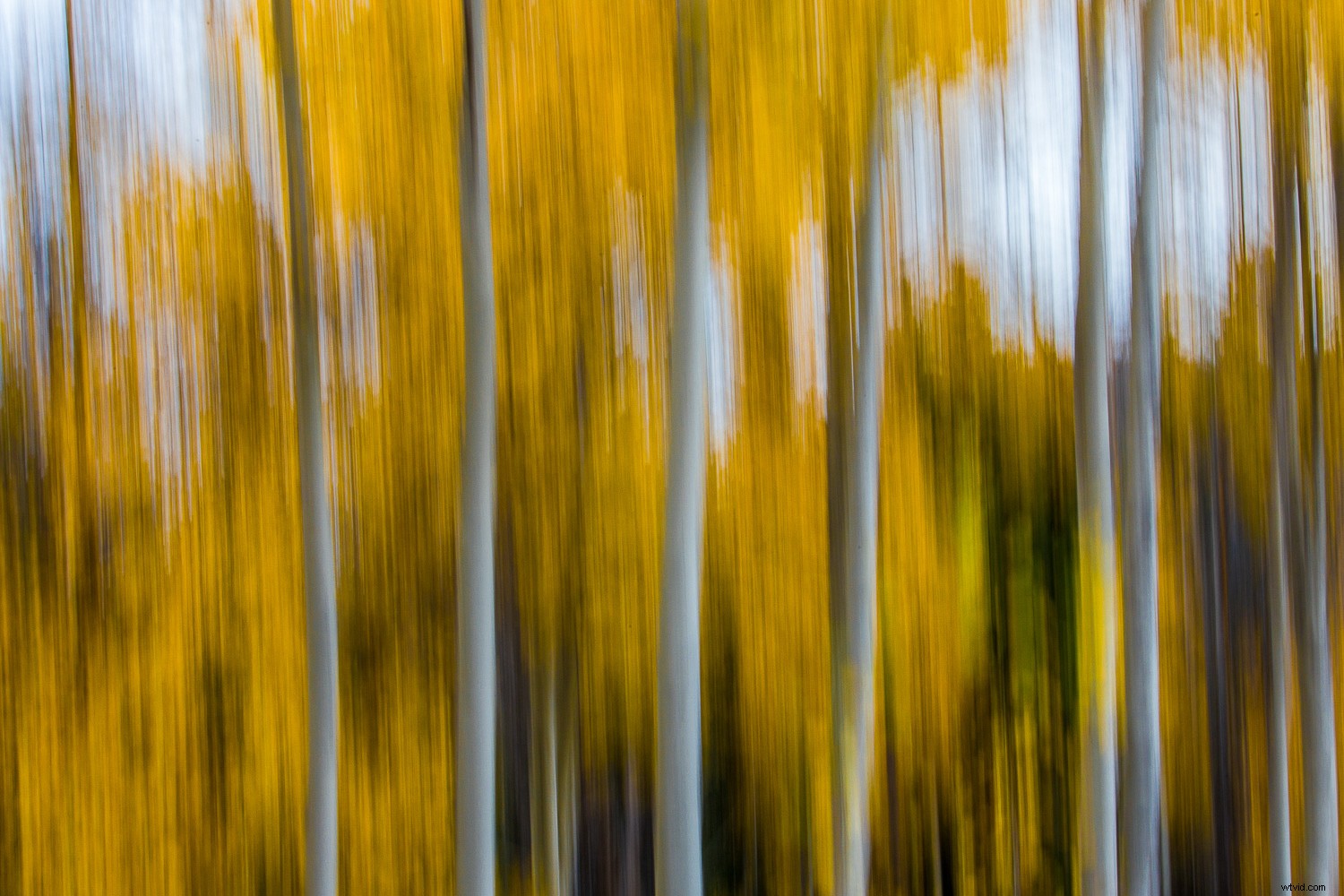
Another way to distort time, and your image, is to intentionally move the camera, and/or the lens during the exposure. A longer exposure will allow you to do things like swish-pans, zooms, changing focus, or “free-lensing.”
See the light
Humans see and, in normal use, our cameras are designed to capture the portion of the “Electromagnetic Spectrum” we call visible light. (For a deeper dive into this subject, take a look at my article – “How to Understand Light and Color to Improve your Photography.”)
We reference the Kelvin scale when we talk about photography in the visible light realm. Then we use white balance to adjust our cameras to do something our eyes and brains do naturally – adjust to the varying degrees of warm and cool light.
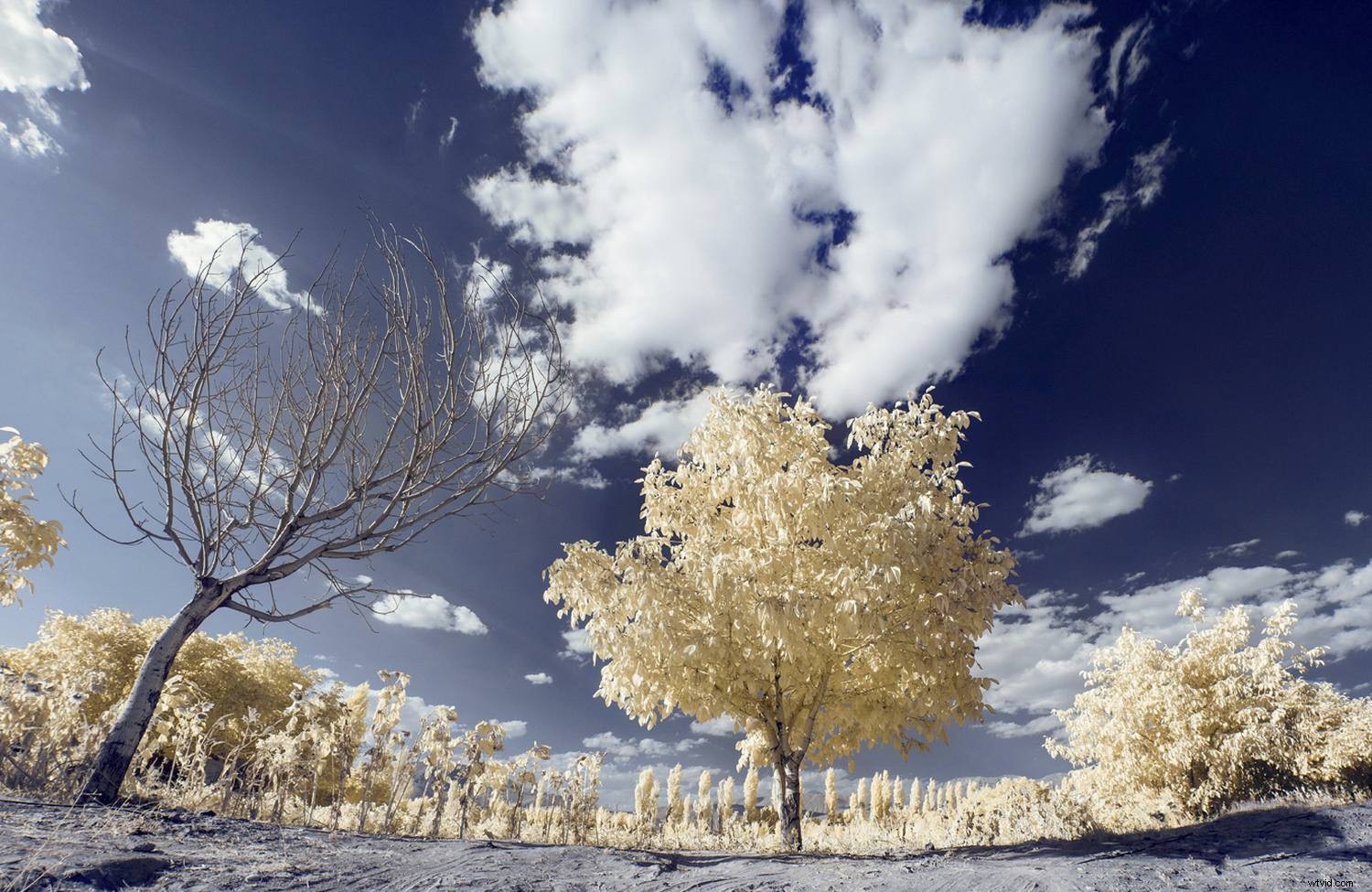
We can’t change the portion of the spectrum we see, but our cameras can. You can have a camera altered so that is responsive to other wavelengths of light. This will take a little extra commitment to explore, as once your camera is altered for either infrared or ultraviolet use, it will no longer work for standard photography.
Some cameras may give you infrared capability without special conversion. Take a look at this DPS article.
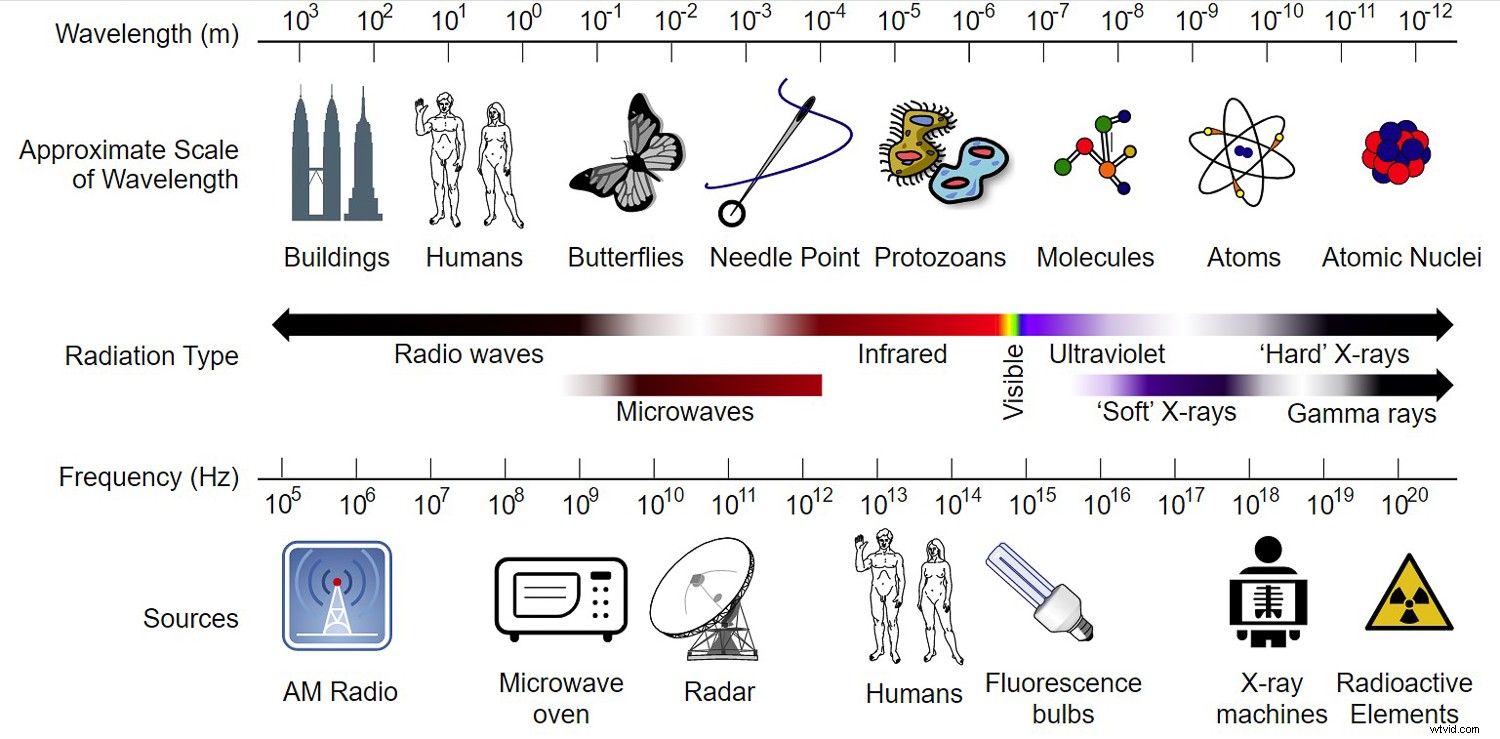
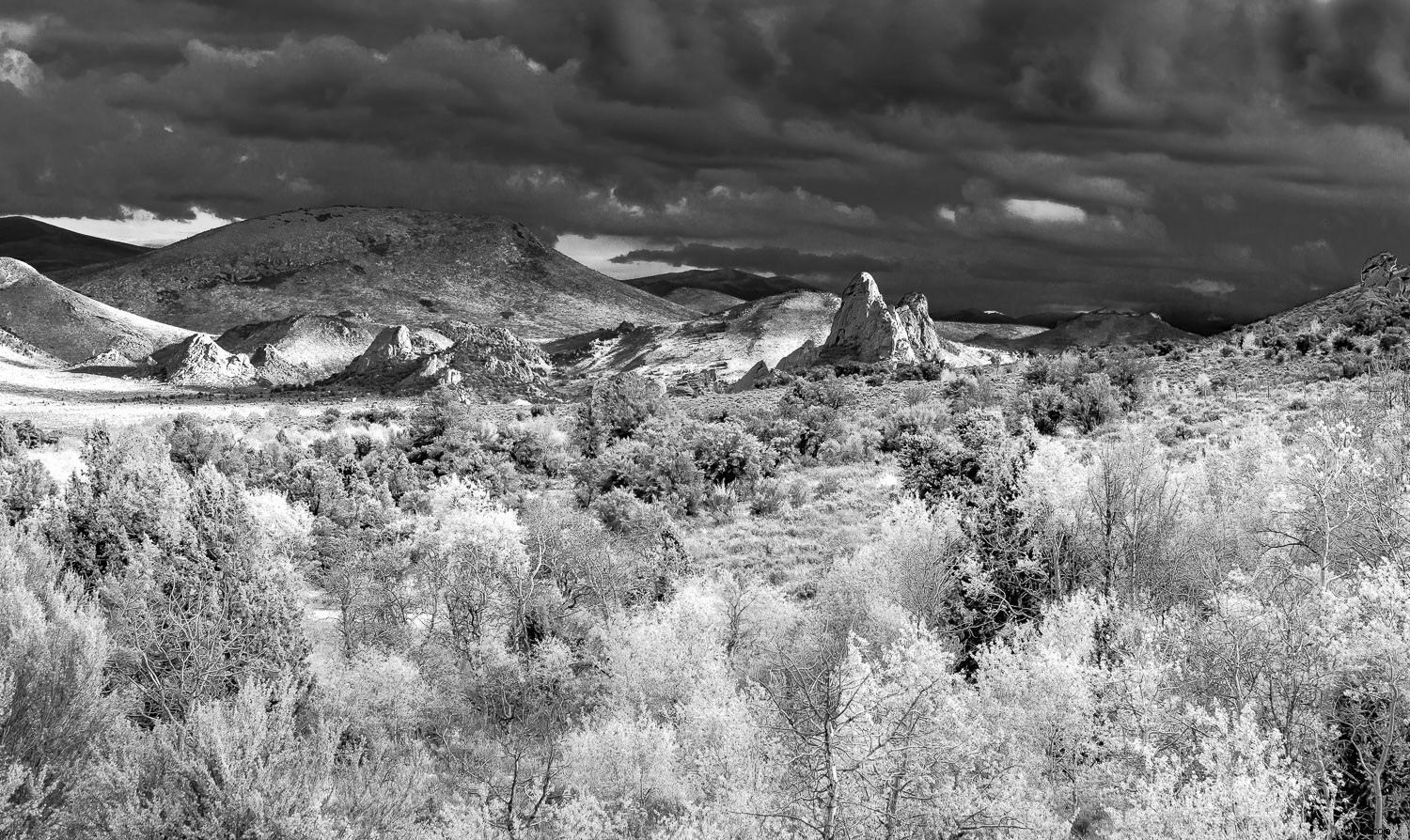
Cameras can go even further up and down the spectrum of light, though hobbyist photographers aren’t apt to do so.
Get into even shorter wavelengths of light and you can make X-ray images.
Go the other direction into long wavelengths, and you’re not using a camera anymore. Instead, you are perhaps cooking dinner in a microwave oven, clocking the speed of a baseball with radar, or even further, listening to the “light” which we know as radio waves.
Kirlian Photography
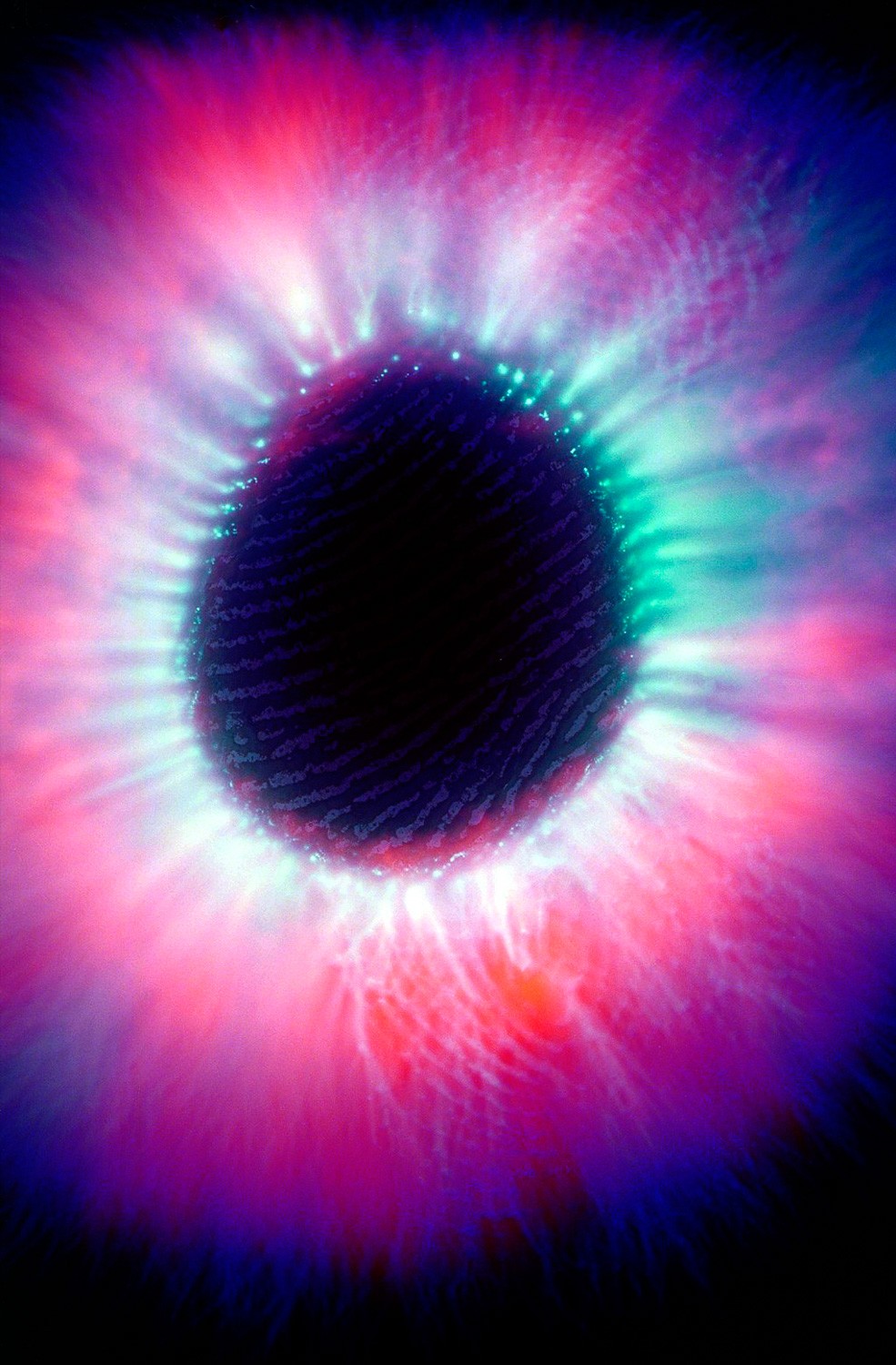
When seeking out new types of photography, why be limited to light to make a photo? With Kirlian photography, you can make a “photo” with high-voltage electricity. Shocking! – (Well, I hope not).
Want to give it a go? Here’s a link to a how-to.
HDR
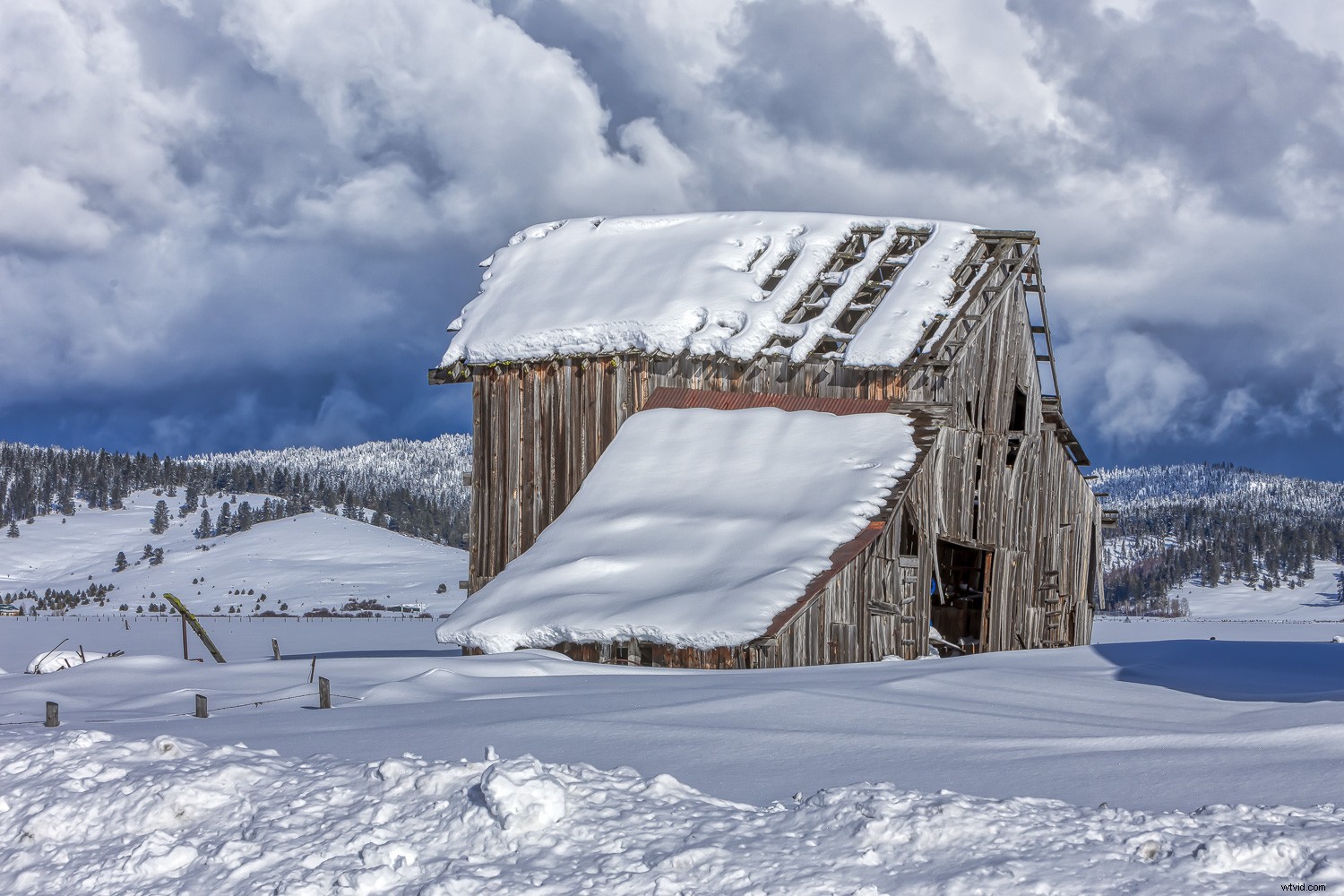
Digital cameras keep getting better and better. However, they still can’t compete with the human eye and brain for capturing scenes that have an extreme range between light and shadow.
To work around this, photographers will take a series of images at different exposures. They then combine those with what is known as High Dynamic Range (HDR) software.
This is yet one more of the types of photography you can explore.
Astro-Photography
Why limit your photography to earth?
Astrophotography is, as they say, out of this world.
Much more light-sensitive cameras, better lenses, more noise-free sensors, and noise-reduction techniques allow better long exposure images to be made.
We can produce digital camera images showing far more than we can see with our naked eyes.
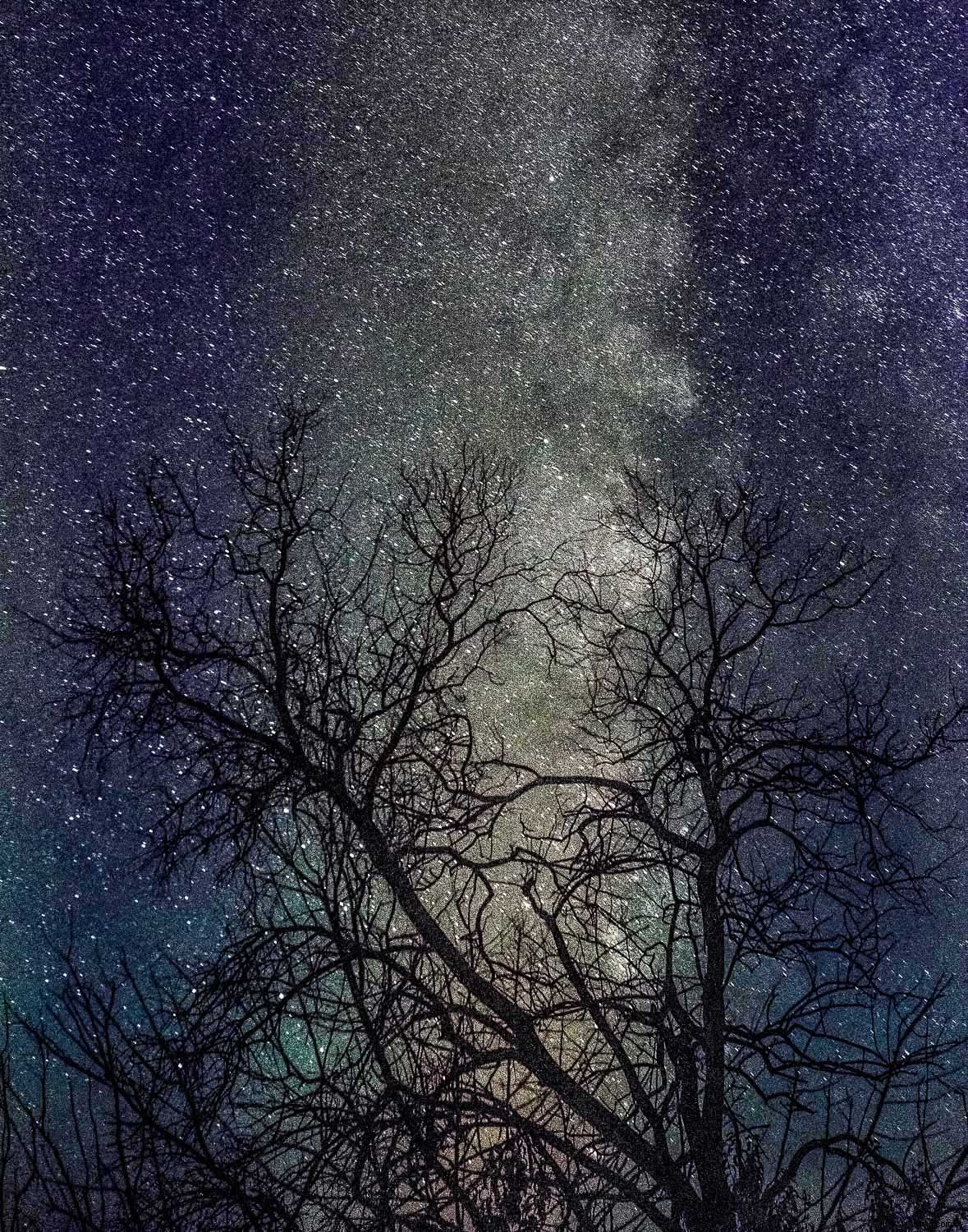
Thinking about what we can capture with astrophotography begins to boggle your mind. When you take a photo of the night sky, you are literally looking back in time… a very long way back. You’re also looking a long way away… a very very long way. Literally to infinity and beyond.
The farthest star we can usually see with the naked eye is the faint V762 Cassiopeiae, just barely visible under dark skies and around 16,300 light-years away.
For most space objects, we use light-years to describe their distance. A light-year is the distance light travels in one Earth year.
So, that means the light entering your camera from that star took over 16,000 years to make the trip. One light-year is about 6 trillion miles (9 trillion km). So…(calculator out now…) this star is 9.78E16 miles away, or 97,800,000,000,000,000 or 9.8 quadrillion miles (15.77 quadrillion km) away. (Talk about focusing at infinity!)
Even light from astronomical bodies in the neighborhood, so to speak, takes a while to make the trip. Here are some examples:
- Sun to Earth – 8 minutes 20 seconds
- Moon to Earth – 1.3 seconds
- Mars to Earth – 3 min. 2 seconds.
- Jupiter to Earth – About 43 minutes.
Macro and Micro
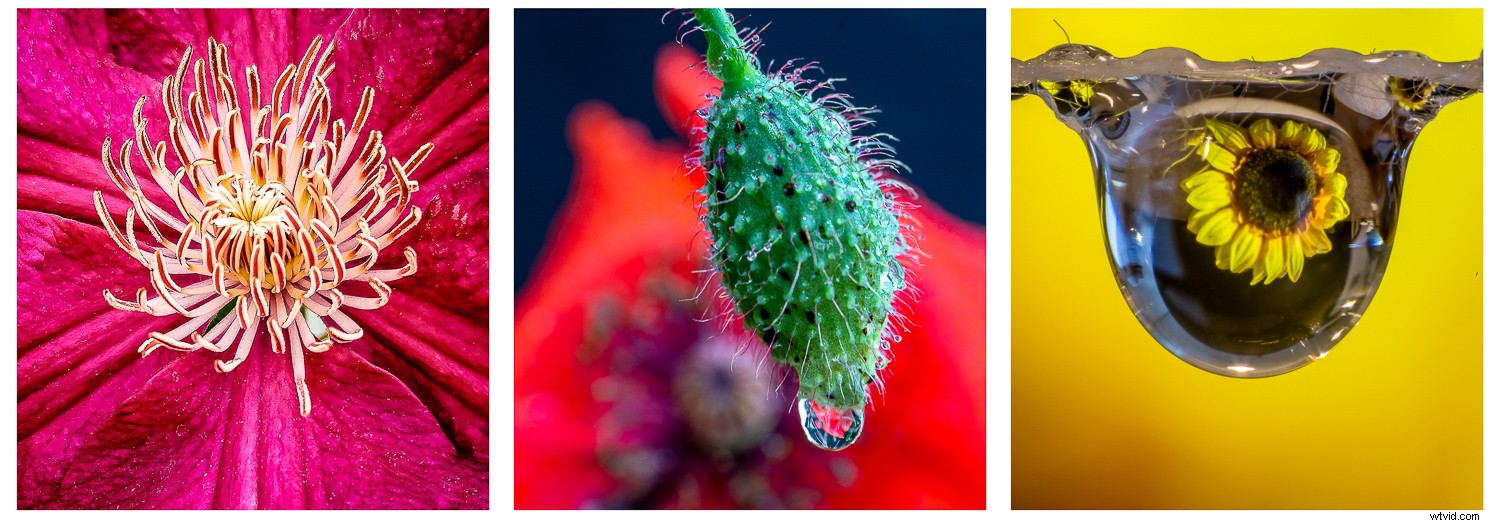
Think too much about the expansiveness of the universe and you’ll begin to feel really tiny. So how about we look at some types of photography that will make you feel really large – macro and microphotography.
Using things like macro lenses, close-up filters, reversed-lens techniques, bellows, and focus-stacking, we can get really up-close-and-personal with the tiny world.
If you’ve never explored macro photography, take a look at the many ways to get into it. Some of which you can do on-the-cheap as you start out. There’s another whole world right at your feet.
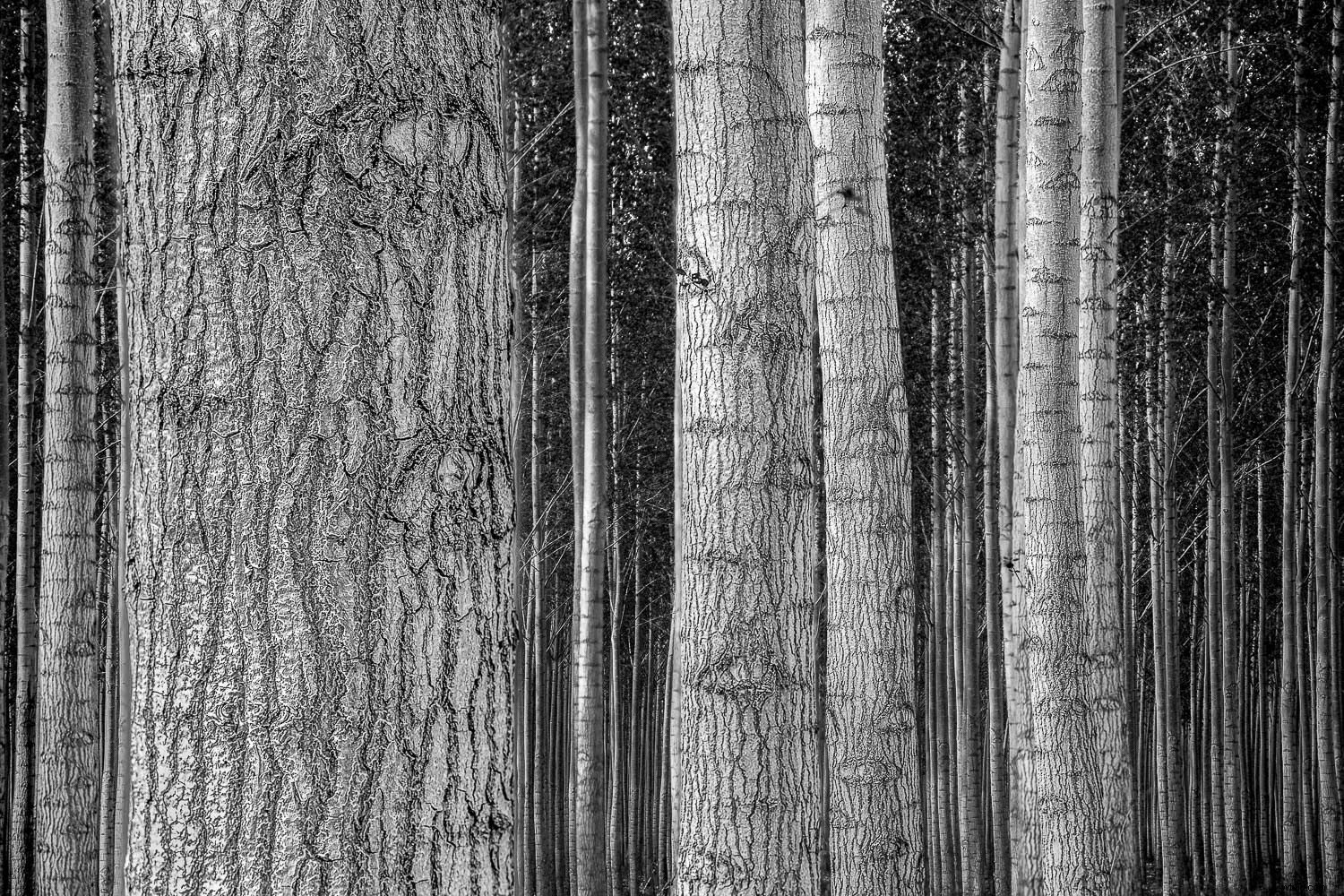
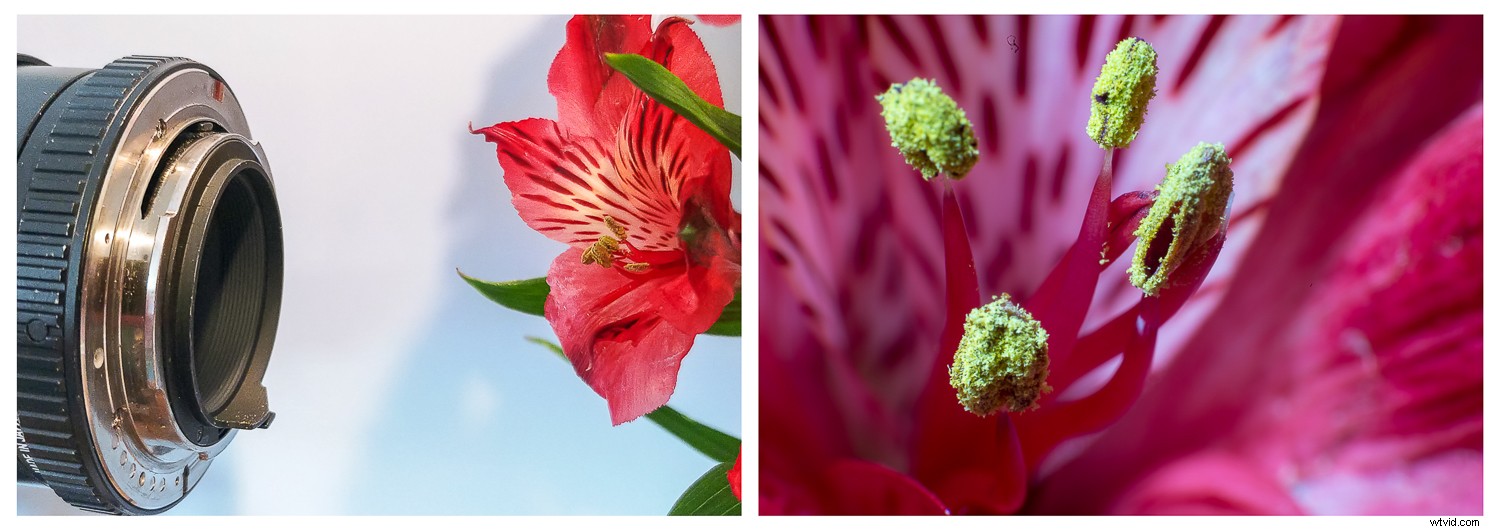
Going even further into inner space, you can get a microscope and the proper adapters to attach your camera to it. Now things like amoebas and paramecium can be your models.
Human vision vs camera vision
If you were a legit superhero, you’d have some kind of special vision, right?
You’ve heard of Superman’s X-ray vision, but did you know, he also is said to have telescopic vision and can see much further than humans? He has incredible night vision and can see in the dark. Also, he has microscopic vision and can see right down to the molecular structure of things. And like the baby in The Incredibles, Jack-Jack, he also has laser vision and can shoot laser beams out of his eyes.
So big deal…your camera can do most of that stuff too.
I’m being silly, but suffice it to say, your camera views the world much differently than you.
A commonly held view is that a 50mm prime lens on a full-frame camera pretty much duplicates the field of human vision. That point is debated. The bottom line is that the human eye and brain are much more sophisticated than any camera. Although an eyeball bears similarities to a camera, when coupled to your brain, well… it’s just different.
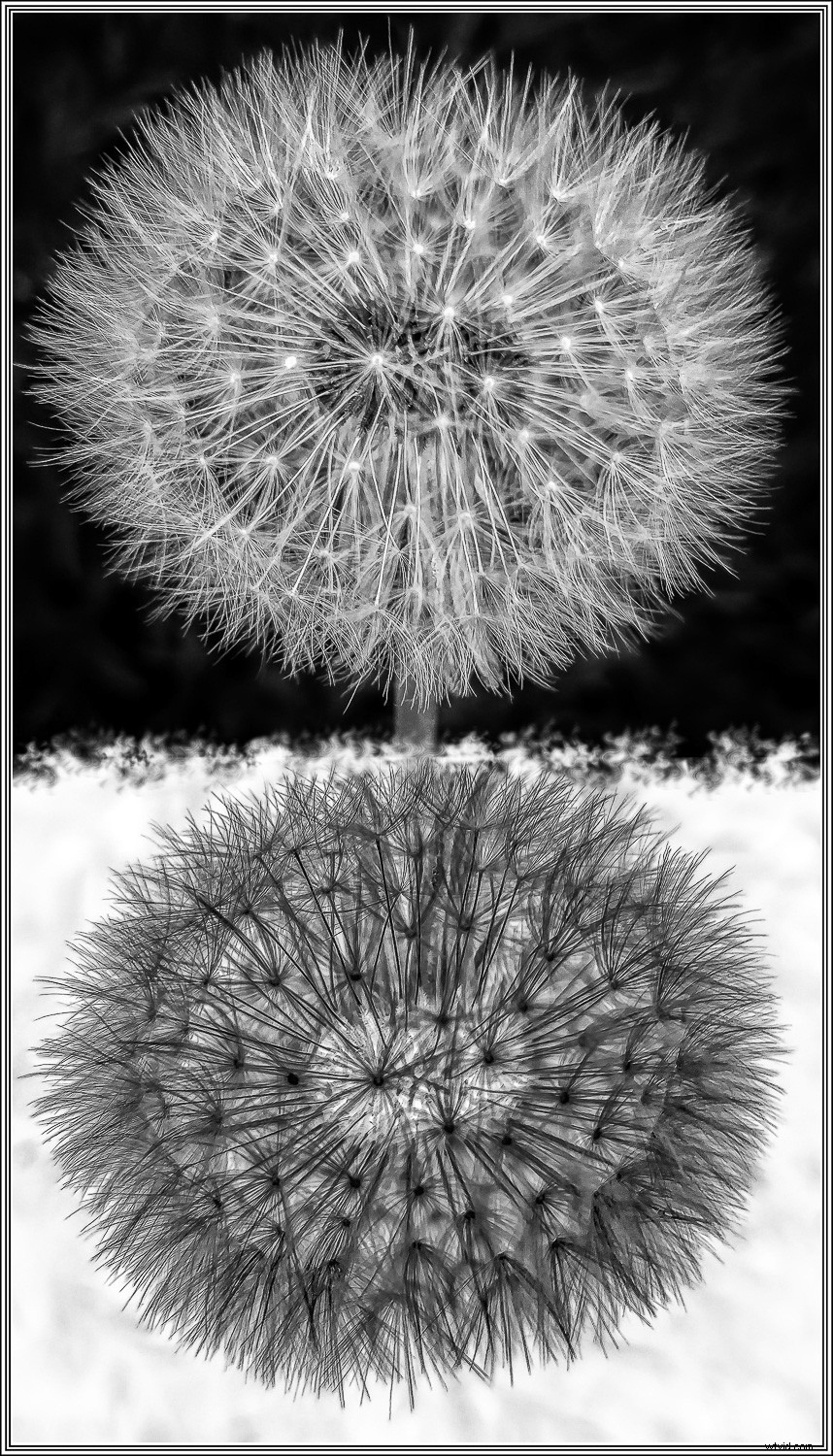
That said, cameras do have some of the abilities of Superman.
Coupled with a wide-angle lens, their field of vision can be wider than yours. With a telephoto lens, they can see further. And, with a zoom, they can concentrate on some subjects, excluding others.
Mounted to a telescope or microscope, they can see into space or down to microscopic levels.
Their high ISO capabilities can make images in what to you would be almost total darkness. Add night-vision capabilities and they can boost very low light into an image you can see.
Thermal imaging cameras view the infrared heat coming off objects.
As for shooting laser beams…some cameras really do use them in focusing.
My previous cellphone, an LG G3, and my current LG V30 use lasers to focus the camera. Superman, Jack-Jack, and Buck Rodgers got nuthin’ on us.
Distorted vision
I’m not sure a superhero would brag about having distorted vision as a superpower, but creative photographers sometimes like it.
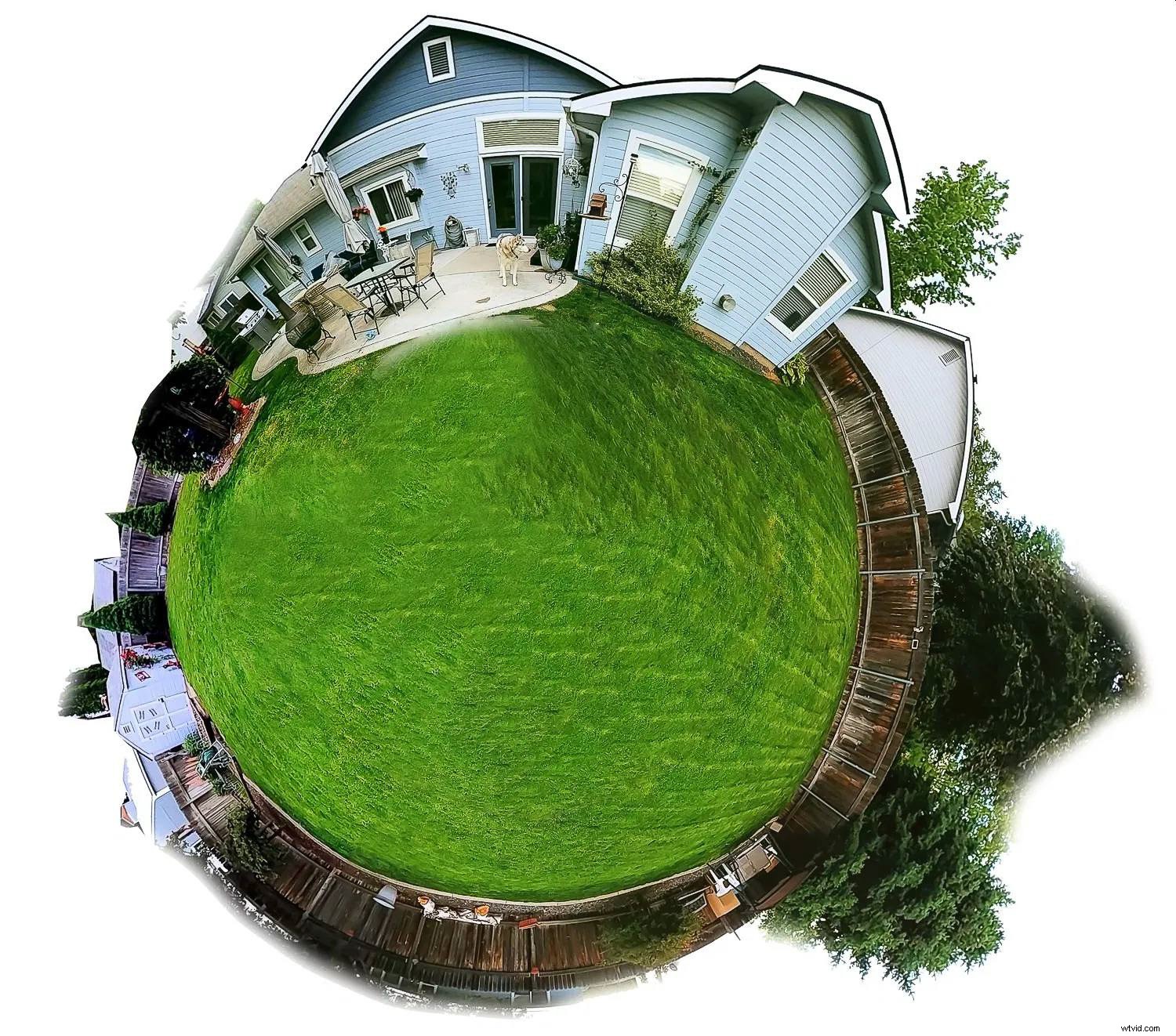
Things like crystal balls, prisms, Lens Baby lenses, tilt-shift lenses, fisheye lenses and all manner of other photographic accessories can be used to distort how an image looks.
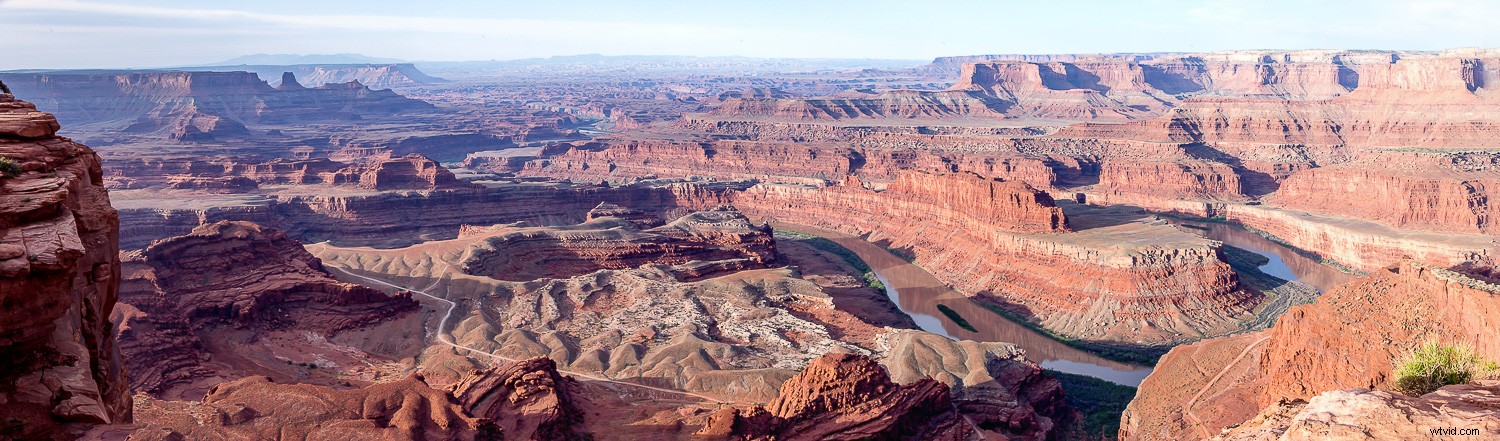
You can also play with a photo on the computer to bend and distort it, make “tiny worlds” with editing techniques, sew multiple photos together to make panoramas or even 360-degree virtual reality images.
Be an explorer
Canon has a sponsored group of photographers they call “Explorers of Light.”
What I’m suggesting is you, too, become an explorer. Tap into your superpowers as a photographer to explore all types of photography.
Just making standard photographs is fine and certainly by itself will keep you busy learning for a lifetime. However, when it’s time to broaden your horizons, there are so many other things to try.
Now superhero, harness the speed of light, and go make some unique photos!
Do you know any other types of photography that go beyond the scope of human vision? If so, share your thoughts and comments with us below.