
A panel at this year’s SXSW Conference and Festivals covered how (and why) you should be putting yourself and your work out there.
Last week at SXSW, I sat down for a panel called “How to Get People to Give a F*** About Your Film.” I wasn’t really sure what advice they could give me other than “Make something really good and know how to market your work.” But, boy am I glad I sat in. The panel consisted of a few different publicists and filmmakers: David Ninh of Kino Lorber Inc (and formerly Kickstarter); Rachel Walker of Sundance; Megan Griffiths, Director of The Off Hours and Lucky Them; and Meredith Alloway of Filmmaker Magazine.
The conversation lasted an hour, but I’m showcasing a few moments when I feel like the speakers shared some of the most helpful advice for anybody currently trying to get people to see, distribute, or fund their film.
(You can listen to the entire panel here.)
Seek Out and Contact Critics

You want people to see your film. It’s that simple. One way for viewers to find out about it is to read about it in a publication. So, how do you pull this off? You send short, concise emails that stand out from the crowd. 9 out of 10 times, journalists won’t read your email — especially if it’s a long treatise about how much the film means to you. But, you have to reach out to as many people as possible anyway.
Ninh summarizes the biggest takeaway here beautifully: “Who should be writing about your film, and why should they care about writing about your film?” Filmmakers need to give journalists a reason to say “This creator is doing something different” or “This creator has a unique voice.” And it’s important not to underestimate smaller publications. These writers want to care about what they’re writing about, and when they find something good, they’ll be more motivated to cover it. So don’t be above sending your film to local publications or film festivals. The more eyes on your project, the better.
Journalists and publications also often cover specific genres or specific filmmakers whom they want to champion. Do some research and determine good target markets for your coverage.
Put in the Hours
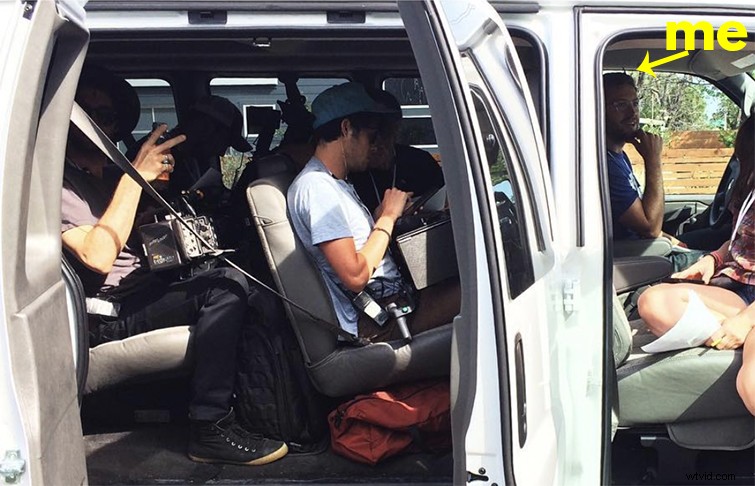
Megan Griffiths, a filmmaker from Seattle, talked about the importance of paying your dues:
It’s really true. Directing a project and trying to build a crew is extremely hard if 1) you don’t know anyone and 2) if the crew has no reason to trust you. So, if you’re new to production or want to get involved with the industry, the best thing you can do is to just start working. Take any job you can and work hard. The first gig I ever had was in transportation, driving the crew back and forth. Guess what: it sucked. But, I met a lot of great people on the crew, and piggybacking off that gig, I worked consistently for the following three productions. The beauty of all this grinding and sleep deprivation is that, eventually, you’ll be a part of a community that will rally once it’s time to tell your story.
Always Be Networking
Ninh eventually spoke about the absolute necessity of networking. Often, creatives — whether writers or directors — are introverts and not really interested in the whole networking thing. But in this industry, it’s crucial that you get your name out. Ninh explains:
An amazing way to meet local filmmakers or producers is to volunteer at film festivals. If you do (no matter the size of the festival), I guarantee you’ll come across a director or producer. No matter where you are in your career as a filmmaker, these connections can’t hurt you. You’ll learn from the films you watch and the people you meet. It’s all about networking and communication.
The Power of Look Books
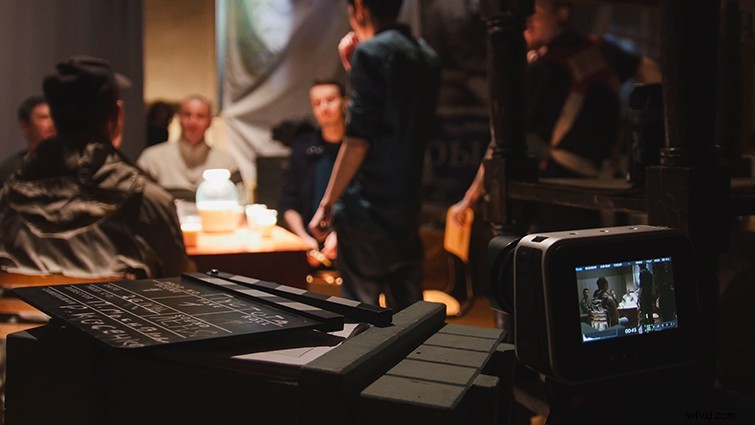
As you form ideas for your film or doc, it’s important to find photos and imagery that you want to replicate or imitate with your film. You collect these images in a “look book,” and this is what will get your film funded. Your script is basically second in this regard. Rachel Walker explained why this visual tool can help you more than anything else:
Even though you want friends, financiers, crew members, actors, and producers to read your script and understand exactly what kind of story you want to tell, more often than not, people don’t have the time or energy to do so. So, these quick images can be a perfect representation of what you’re trying to make.