
For stunt coordinators like Hiro Koda and Jahnel Curfman, previsualization is essential to the reality and safety of dynamic fight sequences.
Every creative can benefit from visualized preparation. For stunt coordinators like Cobra Kai’s Hiro Koda and Jahnel Curfman, it’s absolutely crucial to the reality and safety of these spectacular fight sequences.
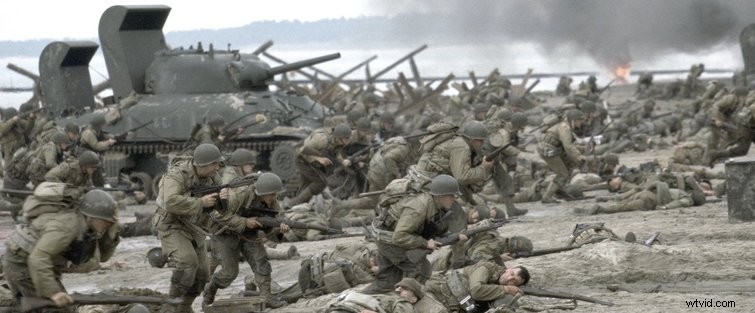
When Steven Spielberg was shooting the iconic Omaha Beach landing scene in Saving Private Ryan, he had the budget and scope to basically do anything he wanted. The sequence cost $12 million dollars, involved over a thousand extras, and used Ballinesker Beach in County Wexford, Ireland—almost an exact replica of the Omaha Beach landscape. Members of local reenactment groups, such as the Second Battle Group, were cast as extras to play German soldiers.In addition, twenty to thirty actual amputees were used to portray American soldiers maimed during the landing.Spielberg famously did not storyboard the sequence, as he wanted spontaneous reactions and for “the action to inspire me as to where to put the camera.”
The first day of filming didn’t go well. All the preparations were there, but Spielberg was having a difficult time given the scope of the scene to focus. Enter Producer Bonnie Curtis. She gathered “her troops,” the creative stakeholders of the production, and based on what they could deliver, she created “a menu” for Spielberg. Giving him a laminated list of what he had at his disposal, he could simply call out during the shoot: “Give me machine gun fire!” or “Blood squib on German soldier!” for example. He got his spontaneity because Curtis had the previsualization.
You can’t underestimate the advantage that previsualization plays in a smoothly run production. Doing the trial and error before you step foot on set not only saves you time and money, but also gives you artistic freedom. While an important tool for the director and cinematographer, one aspect of filmmaking that finds previs an essential step is the stunt coordinators.
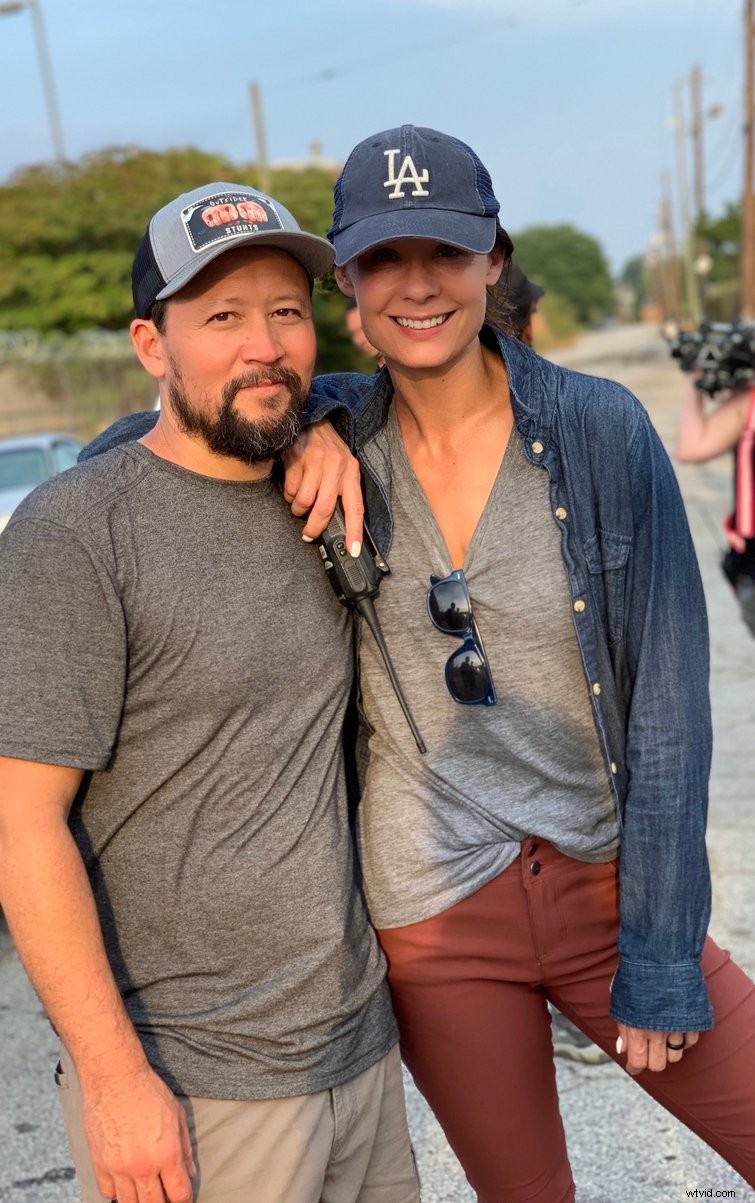
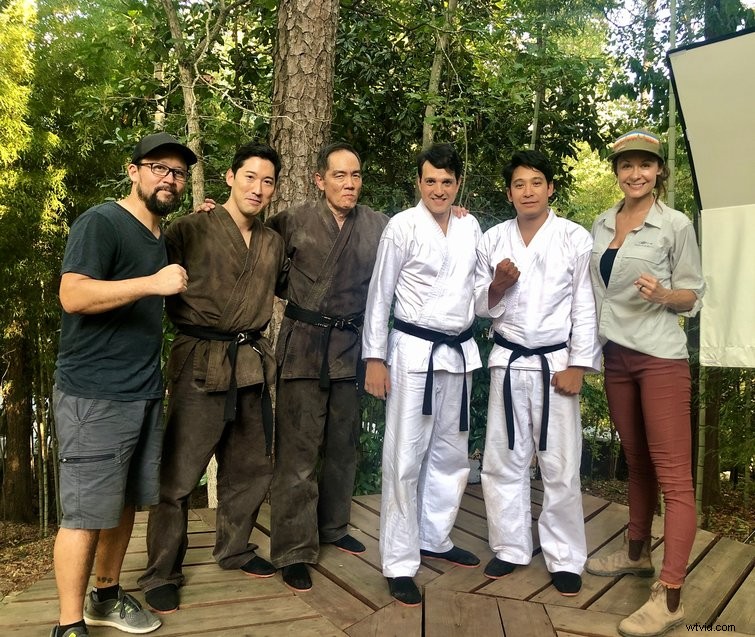
Cobra Kai is a martial arts series sequel to the Karate Kid franchise. First envisioned at YouTube, after two seasons, the third moved to Netflix with enormous success. It’s already been renewed for a fourth season. One aspect crucial to the series’ appeal is the dynamic karate sequences, which are choreographed by husband-and-wife team Hiro Koda and Jahnel Curfman. Jahnel also stunt doubles for actor Peyton List on the show, so the realism and safety achieved through the previs work isn’t only professional, but personal.
So, how does their process work? Does the script provide detailed fight sequences or a more general idea? And, how much freedom is given to bringing new ideas to the battles, especially when relating to the different fight styles?
If the script is their blueprint and character their guide, how much does theme inform the work? “Fear does not exist in this dojo” is a major message woven throughout the storytelling. You could also argue that it has to be a major theme for Koda and Curfman. When devising a new stunt, how do they personally approach fear? Is it a necessary part of the process to make sure they get it right, both for themselves and for their stunt actors?
Adrenaline-driven over fear-driven. It also seems that there’s a huge mental component along with the physical.
Once the mental gymnastics are in place, the creativity is able to thrive. So, how does their previs process work?
What are the most challenging aspects of devising a stunt or action sequence? And, for those on a low-budget, any advice for getting the most dynamic results with limited resources?
The takeaway for low-budget filmmakers, it would seem, is not to find cuts in the budget when it comes to fight sequences. But, like all things, preparation can be the key to saving you that time and money.
As Johnny Lawrence in Cobra Kai states: “The best defense is more offense.” If you stay on the offensive and do the previsualization work with your creative stakeholders, the results should be in your favor.