
Here’s a fun Oscars fact: from 1981 to 2013, every Best Picture winner had also been nominated for the Film Editing Academy Award. That’s thirty-three consecutive years that neatly ties excellence in film editing with a film’s ultimate success. From Conrad A. Nervig‘s work on the 1934 film Eskimo to John Gilbert‘s recent success with Hacksaw Ridge, film editors have consistently inspired success through technological innovations and creative chops.
As such, for those looking to expand their technical skills, pick up a few tricks of the trade, and develop their craft, it’s best to learn from some of the greats. Here are five pieces of advice from some recent Oscar-winning film editors.
Find Your Backbone (John Gilbert, Hacksaw Ridge)
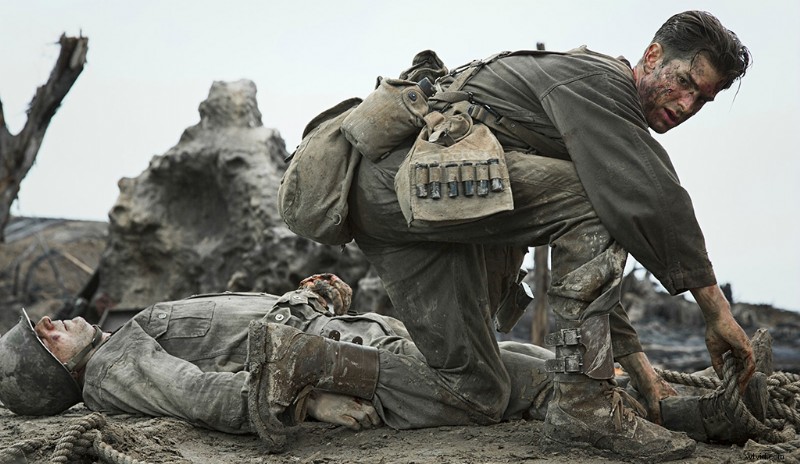
Image via Lions Gate Entertainment Corp.
The winner of the 2017 Oscar for Best Film Editing, New Zealand-based John Gilbert found international success when Peter Jackson tapped him to edit the first film in The Lord of the Rings trilogy, setting the de facto editing voice and style to a series that would ultimately go on to win 17 Academy Awards. His work on Mel Gibson’s Hacksaw Ridge is a great lesson in how to trim a story down to a strong backbone.
(Read the full interview at Den of Geek.)
Here’s an example of Gilbert’s work in a scene that involves combat medic Desmond Doss (Andrew Garfield) rescuing injured Sergeant Howell (Vince Vaughn) in Hacksaw Ridge.
Put Your Characters in the Action (Tom Cross, Whiplash)
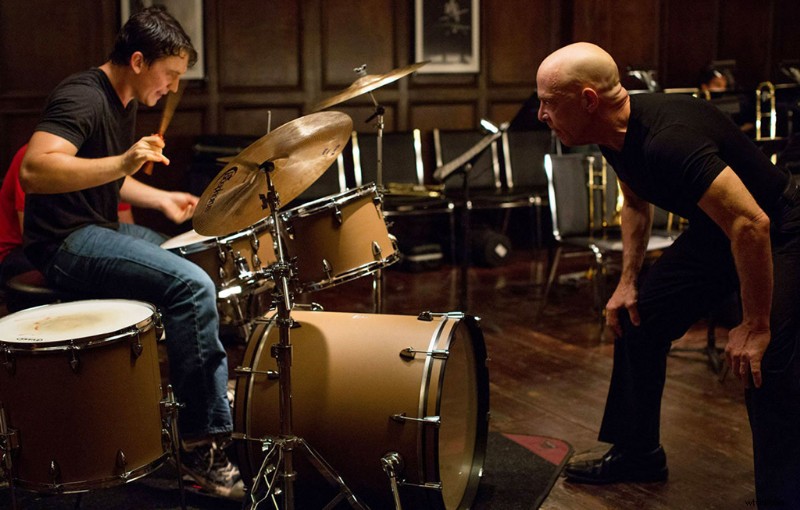
Image via Sony Pictures Entertainment Inc.
Cross, who worked with Damien Chazelle on the original Whiplash short film (and on his follow-up La La Land), has worked his way up quickly with Chazelle to develop a style and workflow that emphasizes character and maximizes discovery.
(Read the full interview on IndieWire.)
As you can see in the scene between Fletcher (J.K. Simmons) and Andrew (Miles Teller) below, the focus on facial expressions gives each character a range and depth of emotion that builds throughout.
Attitude is Everything (William Goldenberg, Argo)
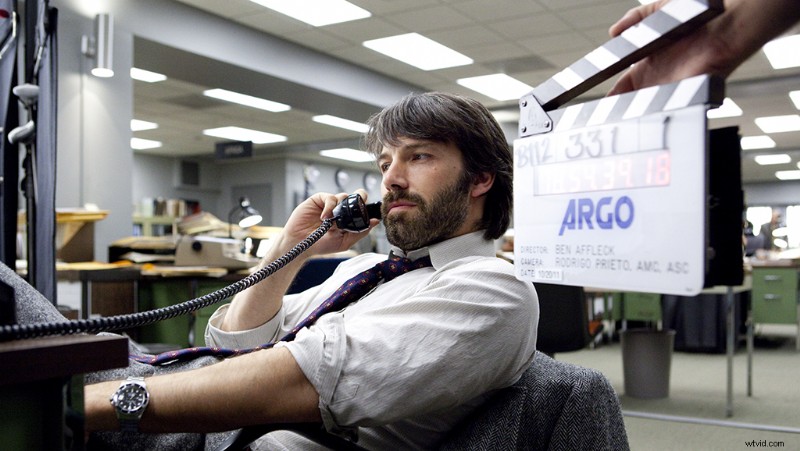
After being nominated for Best Film Editing three times — The Insider (1999), Seabiscuit (2003), Zero Dark Thirty (2012) — Goldenberg finally took home the Oscar for his work on Ben Affleck’s Argo (which, surprise, also took home Best Picture). His career, like his editing style, is a testament to the old adage that hard work pays off. Having worked consistently since the early 1990s (sometimes on several films a year), Goldenberg’s work ethic has been unwavering.
(Read the full interview on Johnny Elwyn’s Blog.)
For more insights into Goldenberg’s creative process, watch this behind-the-scenes featurette by Academy Originals.
Be Open to Collaboration (Kirk Baxter and Angus Wall, The Social Network)
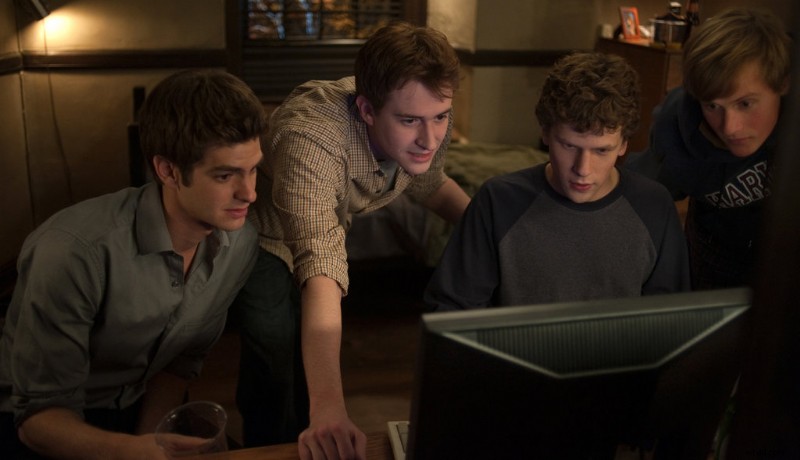
Image via Sony Pictures Entertainment Inc.
Film editors Kirk Baxter and Angus Wall have been the tight-knit collaborative team behind director David Fincher’s last four feature films (and in Wall’s case, all the way back to Fincher’s early commercial days). Together, Baxter and Wall have already won back-to-back film editing Academy Awards for their work onThe Social Network and The Girl with the Dragon Tattoo. Like any good partnership, good communication, strong chemistry and an open mind are the keys to good chemistry.
(Read the full interview on studio daily.)
As you can see in the following clip, of Mark Zuckerberg (Jesse Eisenberg) and his girlfriend Erica Albright (Rooney Mara) set the tone for the next scene and the film throughout.
The First Take Can Be the Best Take (Thelma Schoonmaker, The Departed)
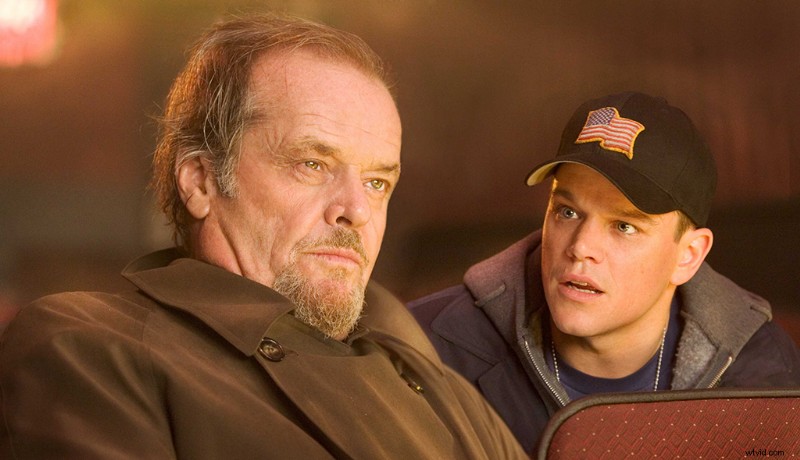
Image via Warner Bros. Entertainment Inc.
Being Martin Scorsese‘s lifelong editing partner has its perks. In addition to working on such classics like Raging Bull, Goodfellas, and The Wolf of Wall Street, the three-time Oscar-0winning film editor gets to work with performances from some of the greatest actors of our day — like Jack Nicholson and Leonardo DiCaprio in The Departed.
(Read the full interview on UPROXX.)
For a decorated pro like Schoonmaker, there’s no reason to overthink a solid performance by a leading actor. It’s the subtle nuances of bringing those memorable performances to life that takes real talent and ability.
Top image by Fabio Pagani.