
Blackmagic Design, based in Melbourne, Australia, has established itself as a company known for a wide range of meticulously crafted products, including cameras, production switchers, and a long list of video/audio-related tools.
However, its newest offering, the Blackmagic Production Camera 4K — which started shipping a few weeks ago at an unheard-of price for a camera of its class ($2,995) — has generated a level of attention from filmmakers and industry watchers that far surpasses anything the company has done before.
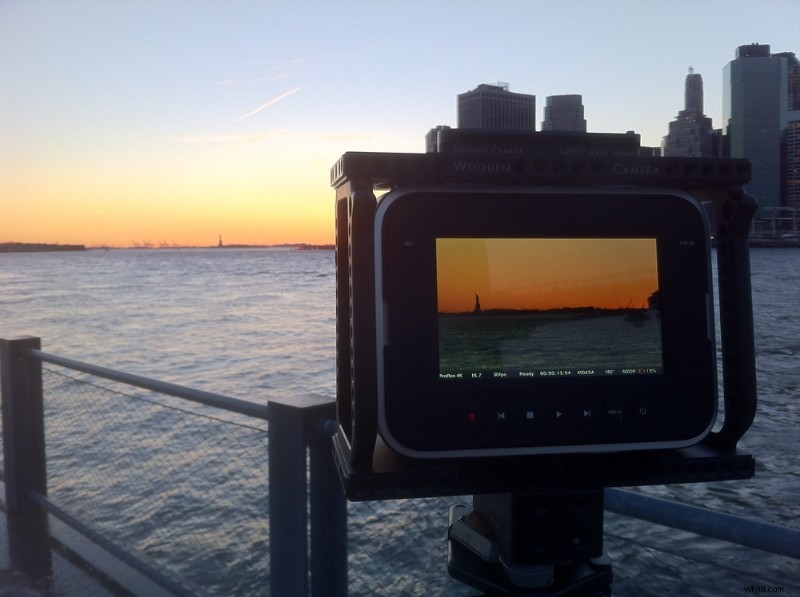
Capturing Ultra HD (3840 X 2160) resolution on a Super 35 sensor in the high-quality ProRes 422 (HQ) format, the Production Camera 4K breaks new ground when it comes to the relationship between quality and price.
In an effort to gauge just how much of a game changer this camera might be, we took one out last weekend for some on-location testing in NYC. What we found was that Blackmagic Design has created a camera which, while it may not the right solution for every situation, is likely to become a very important tool for many filmmakers, stock videographers, and even casual shooters in the coming months.
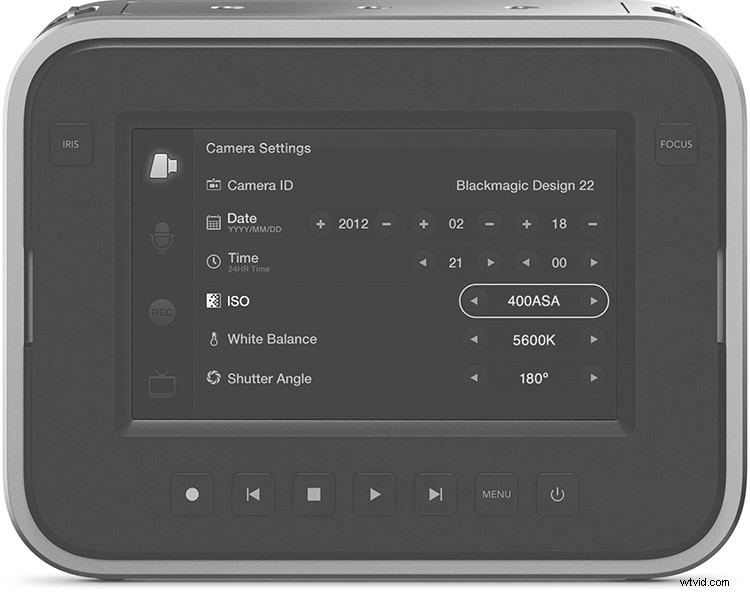
When unpacking and setting up this camera, it became obvious right away that Blackmagic has put serious effort into creating a flawlessly conceived, Apple-like experience when it comes to the user interface and overall design of the camera (for our test, we had the model with an EF-compatible lens mount, but it’s also available with a ZE mount). Unlike other models capable of the quality of images and variety of options this camera offers — which will include the ability to capture footage in the visually lossless compressed CinemaDNG RAW format via a forthcoming software update — getting started with the Production Camera 4K was incredibly easy. The menus on the generous 5-inch LCD touchscreen have a minimal, easy-to-navigate quality that we’re not sure we’ve seen before in a camera like this.
Eager to get a feel for the quality of the 4K footage as soon as possible, we set the camera up pointing down from our office — 21 floors up in the Empire State Building — toward the intersection of 34th Street and 5th Avenue.
http://vimeo.com/87876795
It doesn’t take much preparation or setup to start capturing solid footage with this camera, which is a huge plus for people working in situations where time is of the essence. In “Film” mode, which is the other capture option, the full dynamic range from the camera’s image sensor is recorded (as with most RAW formats), so there’s much more information available in the clips when it comes to post-production/color correction — which is especially important when it comes to adjusting the highlights and shadows of the images.
The next day, we headed out to Brooklyn Bridge Park to capture some 4K footage of NYC’s Financial District, just across the East River, and the Statue of Liberty, out in the New York Bay.
http://vimeo.com/87877637
The only minor disappointment as far as image quality is concerned came when shooting directing into the sun. This issue is on Blackmagic’s radar (apparently there was a similar issue with its Pocket Cinema Camera last year), and we’re sure they’ll find a fix, but for now, the sensor is generating not-very-pretty artifacts where the sun should be (which, of course, is not a big deal to edit out). We’ll update this space once that’s resolved.
We also spent some time in the park playing with the Iris button and pushing the ISO and shutter angle to get a feel for what’s possible. The Iris button automatically adjusts the lens iris settings to avoid any pixels getting clipped (in film mode), which is super handy and made testing easier. Once the firmware is updated to allow for CinemaDNG RAW, it will be interesting to do a follow-up test and talk about color correction and Blackmagic’s workflow.
http://vimeo.com/87887832
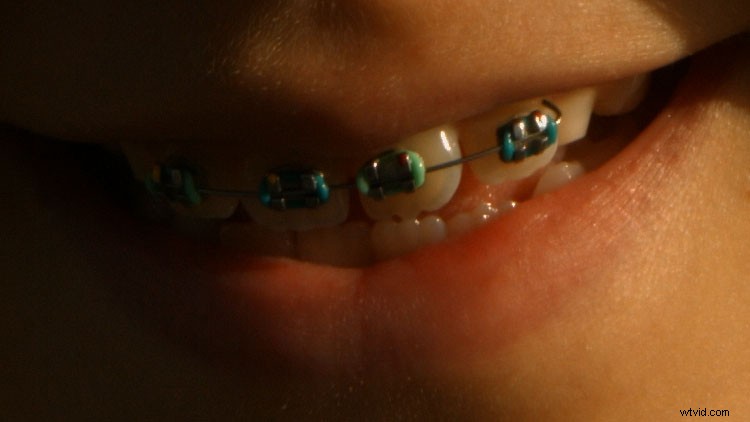
The fact that this camera is most frequently being tested against models from other manufacturers that retail — on the low side — at three or four times the price of the Production Camera 4K speaks volumes. While the ergonomics of this camera (which is clearly made to sit on a tripod, though not impossible to work with hand-held) might be off-putting to some DSLR filmmakers looking to shoot in 4K for the first time, the quality of the footage and the accessibility of the design/interfaces (coupled with the price, of course) will make it hard to resist.
The only thing we found ourselves wishing for was the option to capture at higher frame rates (60 is the max for the moment), but Blackmagic Design clearly has a success on its hands — the Production Camera 4K opens a totally new realm of creative possibilities at a remarkably low price for the options included.
Learn more about Shutterstock’s growing 4K collection.