
Get an inside look at the daily life of a producer working in film, television, and video production from some of the heavy-hitters in the film industry.
At the heart of every pro film, television, or video project, you’ll find a producer (or producers) working diligently to make sure everything happens according to plan.
There’s plenty of information drifting through the content-verse that covers what a producer does. But, if you’re wondering how to actually move into the role, it’s worth turning to the experts for advice in the form of interviews, podcasts, and round-table discussions.
This approach offers an easy way to get to know your favorite professionals (and their work) more intimately, and hear the step-by-step details of how they broke into the industry.
So, if you aspire to a career similar to those of Jerry Bruckheimer, J.J. Abrams, and Kathleen Kennedy, or maybe you’re just seeking tips for producing your projects more professionally, dig into the following content, featuring insights from some of the best producers working in film and television.
Learn the Business of Being a Producer
This interview with Mark Heidelberger is gold. It breaks down what it’s actually like to be a seasoned producer in Hollywood, with comprehensive insight into how to get started and how to truly grasp that, in the film industry, producing is ultimately a business role.
Trust Your Departments and Free the Director’s Mind
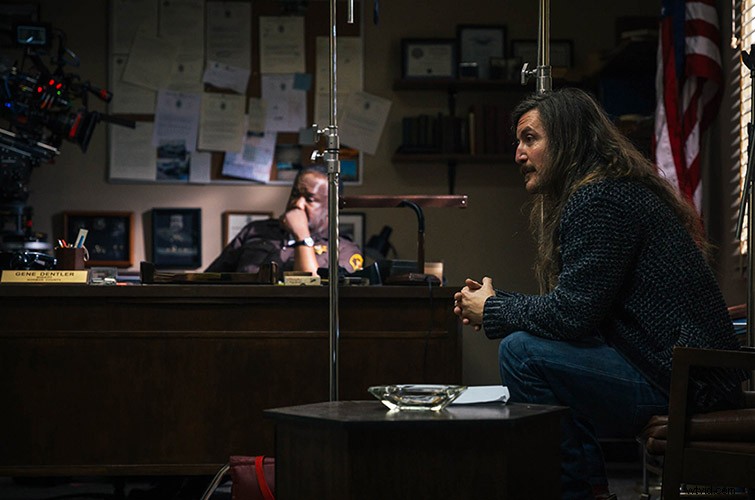
With notable films like Ain’t Them Bodies Saints, Upstream Color, and A Ghost Story on his resume, Toby Halbrooks is one of the best producers in the business.
In an interview found right here on PremiumBeat, Halbrooks offers perspective into the role of a producer that’s rooted in his time spent both producing and directing.
One of the key takeaways from the chat is that a producer should be a director’s partner. To accomplish this, a producer needs to take on a managerial role and work with different departments and department heads to ensure the director’s vision comes to life. Additionally, a producer should find ways to free the director from unnecessary distractions that could hurt the overall quality of the project.
Take the “Catch and Release” Approach
In this interview, veteran Producer Christina Sibul breaks down her “catch and release” approach to her job. Essentially, it’s all about finding solutions by putting the right production problems in the right hands.
This method is an exercise in both delegation and gate-keeping that steers problems away from the director and toward the pros who have the skills to handle them.
The DP will always know the most about the shot. A gaffer will always be the best person to handle an issue with lighting. A producer will always be the best person to make sure the ball is tossed to the right crew member.
Constant Communication with Studios or Stakeholders
In our next eye-opening interview, acclaimed Producer Bonnie Curtis discusses the nuanced relationships that producers must nurture in order to act as an intermediary between creative visionaries (like a film’s director) and key stakeholders who hold the money and make the big decisions.
With a career that includes projects with heavy-hitters like Steven Spielberg and Kathleen Kennedy, Curtis is well-versed in the politics of the industry. In this interview, she offers real-world insight into how it’s the producer’s job to handle all the messy details of a project, to ensure it runs smoothly from an operational standpoint.
Start from the End and Work Your Way Back
Finally, this long-form interview with Producer John Paul Rice breaks down ten tips for working as a professional film producer. There’s some solid, experience-based advice here for making sure a project runs smoothly. Take, for instance: “Start at the end.”
This is how Rice explains that it’s the producer’s job to have the ultimate early vision of what the final product will look like and how the team’s going to get there.
With the end (and any potential problems) in sight from the beginning, it’s simply a matter of working your way backward to make sure every checkpoint is hit.
Keep learning about the ins and outs of producing and production-based problem-solving with these helpful resources:
- Producing Tips: The Importance of Pre-Production and Scheduling
- A Guide to Handling Unexpected Setbacks on Location
- How to Establish a Location by Using Color Grading
- A Guide to the Basic Film Genres (and How to Use Them)
- Short Film, Big Ideas: Combining 2D and 3D to Visualize a Complex Issue