
These real-world indie filmmaking production tips from Micah Barber will improve your next day-for-night shoot.
All images via INTO THE WHO KNOWS! and DIFF.
We chatted with filmmaker Micah Barber at the premiere of his film INTO THE WHO KNOWS! at the Dallas International Film Festival about his project and some innovative tips for shooting day-for-night scenes.

Micah Barber (4th from left) with the cast of INTO THE WHO KNOWS! at the world premiere at DIFF 2017.
Barber’s debut film, INTO THE WHO KNOWS!, is a kids’ adventure movie, which can be a rare film festival find these days. Produced by Alexandra Malick (the wife of famed filmmaker Terrence Malick), the film follows ten-year-old Thomas (Bryce Gheisar) on a whimsical Calvin and Hobbes-esque journey full of adventure and wonder.
As such, Barber and his crew were out in the woods and forced to work a tight schedule that included many day-for-night and dusk-for-night shoots. For those looking for a few day-for-night tips, here are Barber’s seven indie filmmaking insights.
Tip 1: Contrast Is Your Friend

For Barber and his crew, this meant that understanding, creating, and emphasizing contrast was paramount to their day-for-night production shoots.
Tip 2: Direction of Light Is Important

One of the best ways to harness contrast is in Barber’s second tip: understand the importance of light direction. Barber and his crew had to find innovative ways to manipulate light direction to create backlight or sidelights for highlights, which may not have existed naturally.
Tip 3: A Clean and Clear Skyline
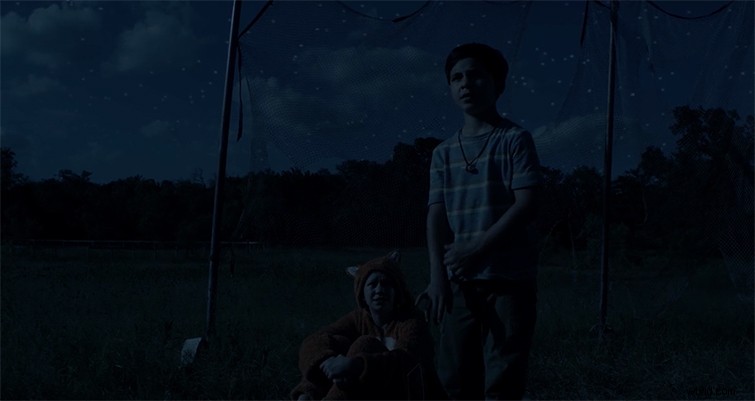
One of the most endearing parts of Barber’s film came from the beautiful, star-filled night skies that brought out the childlike wonder in the film’s world. Creating a picturesque night-canopy, while shooting day-for-night, was no easy feat and required a post-production friendly eye.
Without a clean and consistent horizon line, the post-production masking process would have been much more difficult, Barber explained. That could have made entire scenes too time- or labor intensive to include.
Tip 4: Consider Color Temperature
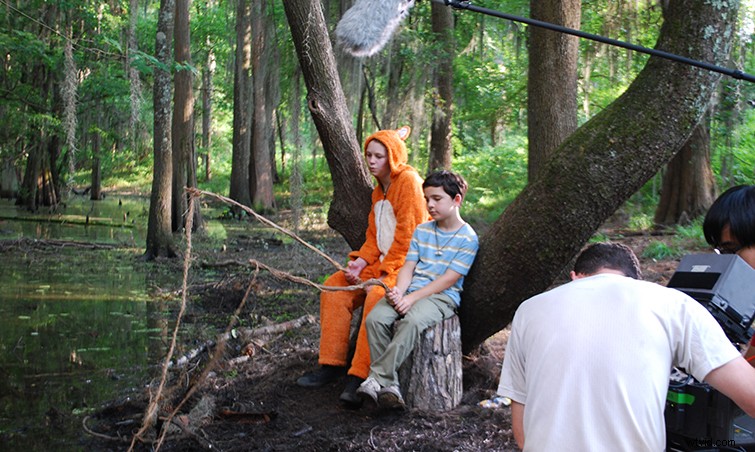
If you’re new to color temperature, you can read some of our posts about color and light temperature here. As Barber’s film shows, knowing how to work with colors at the source is a huge help on tricky production days.
Tip 5: Look at Examples
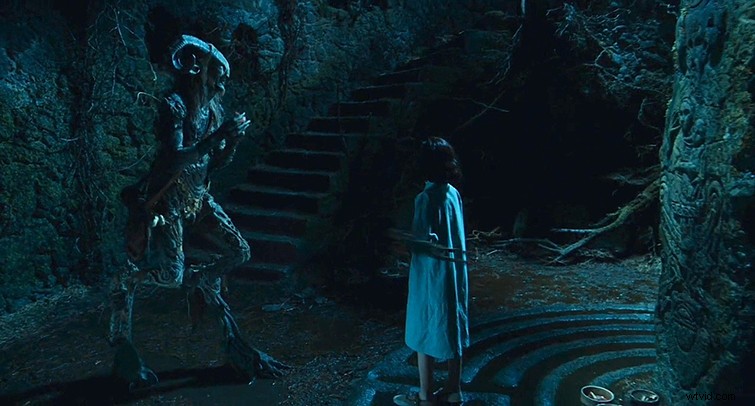
Perhaps the best way to learn about day-for-night shooting (or any production style, really) is to study the experts. Especially, as in Barber’s case, when you’re shooting a film that features a much greater amount of day-for-night than your typical production. Barber and his team put in the time from the get-go to find examples to influence their look and style.
Tip 6: Know that Day-For-Night Is a Look
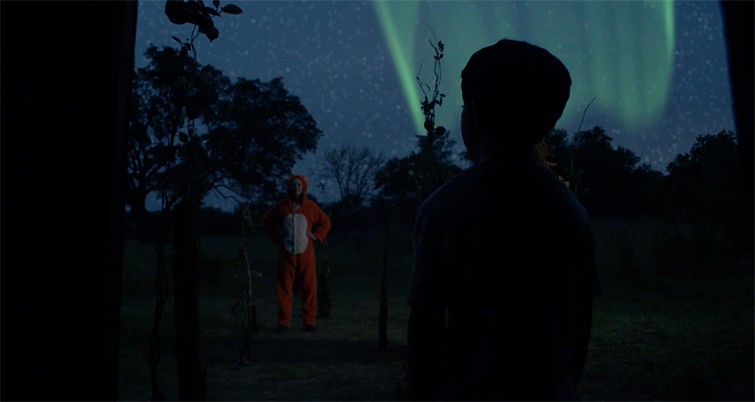
If you’re looking for one piece of advice to take away from this article, please let this be it. As Barber stresses, the goal of INTO THE WHO KNOWS! (or any production, for that matter) is not to create a scene that looks like night during the day. It’s to create a look that can exist inside a world where the audience can feel like it is night.
Tip 7: Hire a Great DP and a Great Colorist
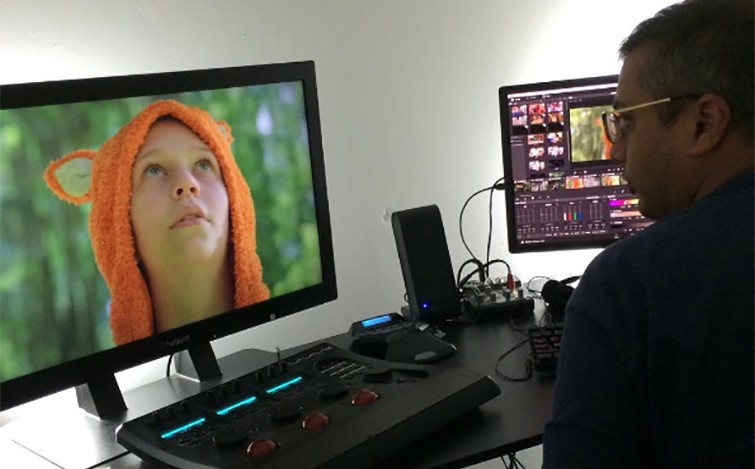
Barber’s production would be for naught without the tireless work of a creative and dutiful production crew and post-production colorist.
You can check out the film’s trailer below or read more about their premiere at the Dallas International Film Festival here. Be sure to follow their Facebook and website for updates on screenings and where to find the film online.
Have any tips or tricks for shooting day-for-night of your own? Let us know in the comments.