
In a nutshell
- Overacting can distract viewers if used without purpose.
- When it reinforces a film’s tone or message, it can be powerful.
- Let it thrive only if your genre invites exaggerated performance.
Overacting—often dubbed "hamming" or "mugging"—is a theatrical style that amplifies emotion to the point of absurdity. While many directors consider it a mistake, a few deliberate uses can elevate a story when aligned with the film’s intent.
In this article we’ll define overacting, examine why it’s usually frowned upon, showcase iconic examples from cinema history, and explain when it can be a creative asset rather than a flaw.
What is overacting?
Overacting refers to exaggerated, unrealistic portrayals that often clash with the subtlety expected in film. The term is synonymous with “hamming it up” and is sometimes described as “chewing the scenery.”
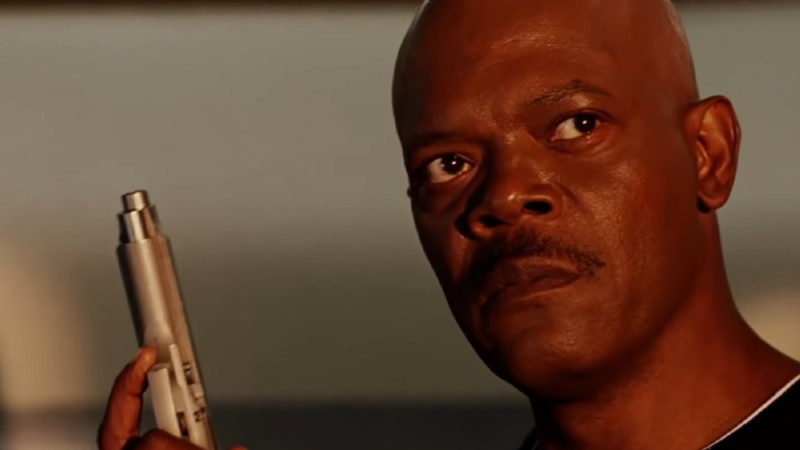
Historically linked to melodrama—an intensified, emotion‑driven narrative—overacting can also be a stylistic choice in campy or superhero genres, where larger‑than‑life characters are the norm.
Actors new to the screen or transitioning from stage often over‑exaggerate because theater demands amplified expressions for distant audiences. In cinema, the close‑up invites nuance; excess becomes a distraction.
Why is overacting considered bad?
In film, subtlety mirrors the way we read real life: a slight furrow or a half‑smile can convey complex feelings. Exaggeration can therefore feel artificial and pull viewers out of the story.
Unlike the stage, where distance forces grand gestures, the camera captures micro‑expressions, making an over‑the‑top performance appear jarring rather than engaging.
How to recognize overacting
Red flags include:
- Excessive facial contortions or dramatic gestures.
- Sudden, ungrounded emotional spikes.
- Absurdly comedic reactions that lack narrative context.
Mommie Dearest (Perry, 1981)
Faye Dunaway’s Joan Crawford in the wire‑hanger scene epitomizes overacting: a vociferous shout, exaggerated lips, and a theatrical glare. Critics labeled the performance “laughable” or “unintentional comedy,” yet some praised its ferocity and campy intensity as a deliberate stylistic choice.
The Room (Wiseau, 2003)
Tommy Wiseau’s Johnny is a masterclass in exaggerated acting, contributing to the film’s reputation as one of the worst yet most beloved cult classics. The over‑the‑top performance became a focal point for audience fascination and a source of the film’s enduring cult appeal.
When overacting can be effective
Certain genres thrive on heightened emotion. Jim Carrey, Nicolas Cage, and Samuel L. Jackson are known for memorable, larger‑than‑life portrayals that resonate because they match the story’s tone.
Examples include:
- The Fifth Element (1997) – its hyper‑stylized sci‑fi world rewards the over‑the‑top antics of characters like Gary Oldman’s Zorg.
- Harry Potter series (2001‑2011) – Helena Bonham Carter’s Bellatrix Lestrange delivers an unforgettable villain through an exaggerated performance that matches the film’s magical stakes.
Should you embrace or avoid overacting?
The decision hinges on the film’s style and audience expectations. If the narrative demands heightened emotion, an exaggerated performance can reinforce the story’s logic. Otherwise, subtlety tends to keep viewers immersed.
Use overacting strategically: match it to genre conventions, maintain character consistency, and ensure it serves the plot rather than merely showcasing acting prowess.
Ultimately, a thoughtful balance between realism and stylized performance will elevate your film and satisfy audiences alike.