
Music surrounds us daily—whether we’re commuting, working, or simply washing dishes. Yet, the way a track is presented visually can profoundly influence how it’s perceived.
For independent artists, content creators, and music labels alike, pairing a song with engaging visuals is essential. However, not everyone can afford a full‑scale music video. That’s where the visualizer‑vs‑music‑video decision comes into play.
Both formats add a visual layer that can boost engagement, but they serve distinct purposes, target different budgets, and offer unique creative possibilities. This guide walks you through the key differences and helps you decide which option aligns best with your goals.
- What a music video is
- What a music visualizer is
- Core differences between visualizers and music videos
- Choosing the right format for your music
What is a Music Video?
A music video is a short, curated video that accompanies a track. From script and storyboarding to filming and post‑production, every stage is carefully planned to reinforce the song’s message.
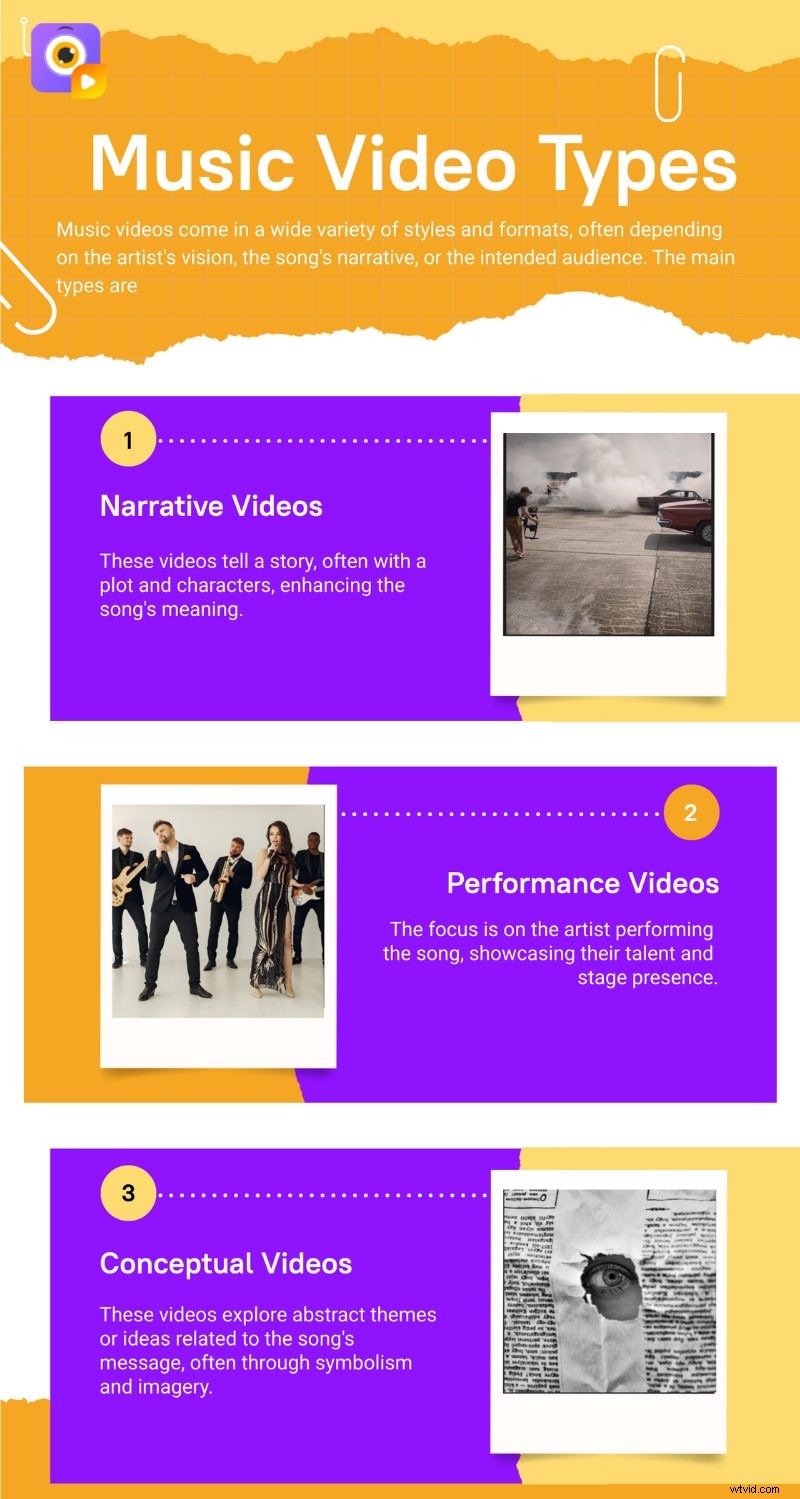
Music videos can take many forms:
- Narrative‑driven, such as Childish Gambino’s This Is America
- Performance‑based, like Bruno Mars & Lady Gaga’s Die With A Smile
- Conceptual, for example Billie Eilish’s Bury a Friend
Music videos have evolved from the MTV era to YouTube premieres, constantly adapting to audience trends. Their primary goal is to deepen the emotional connection between artist and listener, making the track more memorable and shareable.
Iconic videos like PSY’s Gangnam Style or Britney Spears’ Toxic illustrate how powerful visuals can elevate a song to cultural phenomenon status.

Beyond the finished product, behind‑the‑scenes content offers fans insight into the creative process—choosing wardrobe, directing cues, and emotional takes—further strengthening the artist‑fan bond.
For emerging artists, producing a high‑end music video can be daunting. Limited budgets, small studio spaces, and the need to manage all aspects of production can turn a single track into a financial burden.

That’s where visualizers become a valuable alternative.
What is a Music Visualizer?
A music visualizer is software that generates animated graphics synchronized with the track’s rhythm, tempo, and frequency. Common elements include waveform curves, pulsating shapes, and color‑shift patterns.
Historically, visualizers appeared in media players like Windows Media Player, turning music into a visual experience for listeners.
Modern visualizers analyze audio data in real time, translating beats and volume into dynamic visuals. They also provide an inclusive listening experience for deaf or hard‑of‑hearing audiences.
Independent artists increasingly use visualizers as a low‑cost, high‑impact alternative to traditional videos. For instance, electronic producer Max Cooper began his career releasing visualizer videos that were simple yet striking, later evolving into full‑scale music videos.
Today, tools such as After Effects, VSDC, and Animaker’s Music Visualizer make it easier than ever to create professional‑looking visuals without technical expertise.
Animaker’s web‑based platform offers:
- No downloads or complicated setup—start directly from your browser.
- Drag‑and‑drop workflow—upload your track, choose a style, and customize in minutes.
- Studio‑quality visuals ready for YouTube, TikTok, or Instagram.
- Affordable pricing without sacrificing quality.
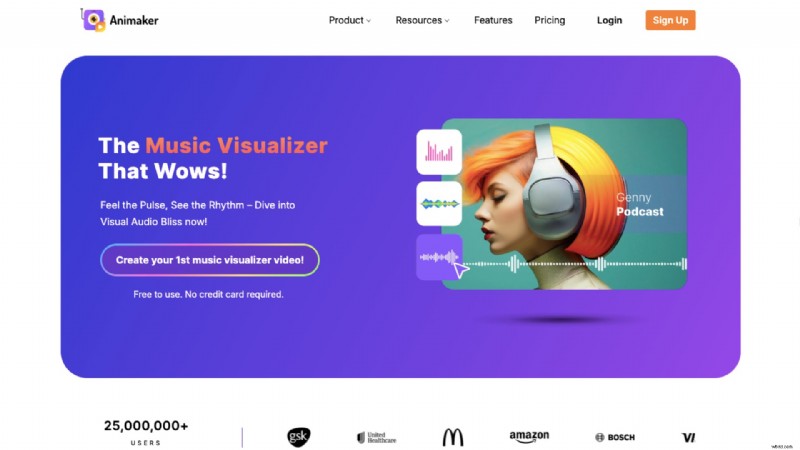
With Animaker, you can select from pulsating waves, geometric shapes, radial patterns, bar animations, and more. Customization options include color palettes, amplitude control, and background imagery sourced from a library of 100M+ stock assets.
For a step‑by‑step tutorial on creating a visualizer with Animaker, read our guide or watch the video tutorial.
Visualizer vs Music Video – Key Differences
Although both formats enhance a track, they differ in production, artistic intent, and audience engagement.
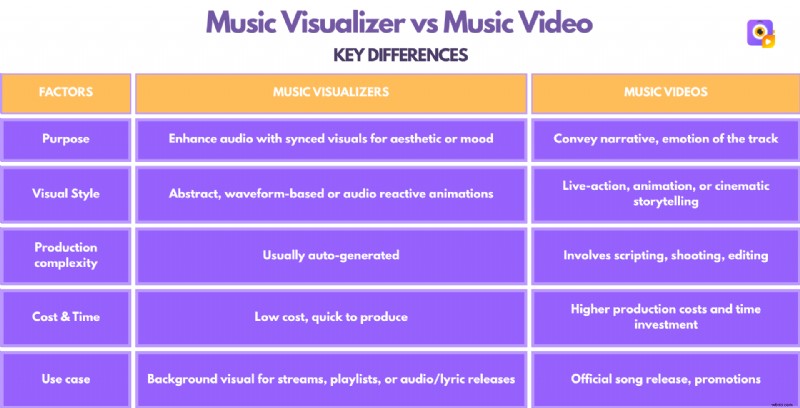
1. Production Complexity
Visualizers are template‑based and quick to produce. Music videos require extensive pre‑production, crew coordination, and post‑production, often spanning days or weeks.
For example, One Direction’s “Steal My Girl” featured elaborate sets, choreographers, and animal handlers—demonstrating the scale of a professional video shoot.
2. Artistic Approach
Visualizers emphasize rhythm and mood, allowing the music to remain the focal point. Music videos provide creative freedom to tell stories, showcase performances, or explore abstract concepts.
3. Audience Engagement
Visualizers offer a looping, passive experience that can keep fans engaged during listening. Music videos aim to capture attention, provoke reactions, and encourage repeat views.
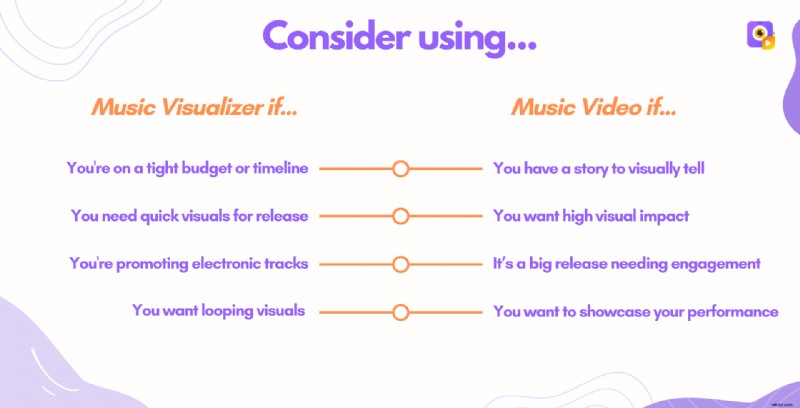
Use the decision matrix below to determine the best fit for your project:
Choosing the Right Format for Your Music
The decision hinges on your goals, budget, and artistic vision. Whether you opt for a polished visualizer or a narrative music video, both can elevate your sound when executed with purpose.
For artists not yet ready to invest in full production, visualizers provide an accessible, cost‑effective way to add visual appeal to your releases. Animaker’s Music Visualizer makes it simple to create eye‑catching visuals without technical hurdles.
Because every song deserves to be seen as much as it’s heard.

About the Author
Shreshtra is a Content Marketer at Animaker, guiding creators and businesses to bring stories to life with 2D animation for over three years. She has authored SEO‑driven content that helped grow Animaker’s community from 18 million to 30 million+ users worldwide.
Her expertise spans AI‑powered voice tools, subtitle generators, and the latest in video creation technology, with a mission to make animation simple, fun, and accessible for all.
Shreshtra also explores how animation can transform learning and development, showcasing Animaker’s impact in the corporate space.
When she’s not crafting content, she’s likely lost in a thriller novel or vibing to K‑pop playlists.
She believes that, like a great song, the right video connects people across the globe.