
A group of filmmakers from Edmonton, Alberta have been working on a three-part science and nature documentary called The Great Human Odyssey. I recently spoke with some of the crew to learn more about how a production team approaches a project that involves planning and shooting in some of the most remote environments in the world. Check out their behind the scenes video, but read on for more videos and insight into their process.
The production crew traveled across 5 continents and 21 different countries during their journey to produce this docu-series. If you've watched the making of video above, then you'll have a taste of what the crew found themselves doing, from being the first crew to film the Badjao, the world’s last breath-hold diving nomads, to capturing a traditional Inuit nest raid on 200-meter high sea cliffs near the Bering Strait.
I reached out to Assistant Editor Christina Ienna to inquire more about the editing process, but also dig a bit deeper into the production itself, which ended up totalling about 60TB in files and footage.
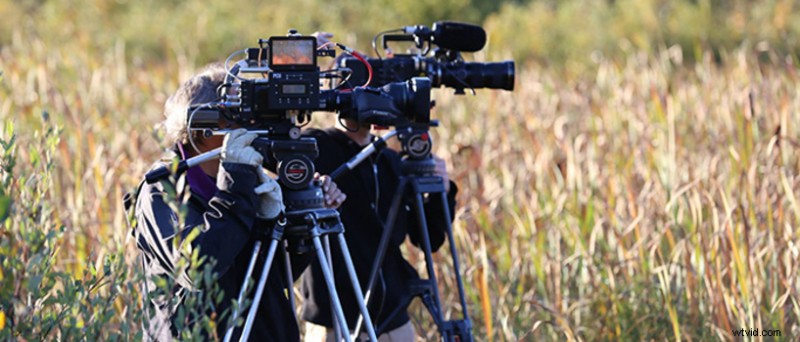
So how did they get there? Embarking on such a large project isn't possible without a high-level of coordination and planning. Director of the project, Niobe Thompson, explained to me that their pre-production planning was an iterative process, and they couldn't simply shoot interviews and then produce the b-roll after the fact.
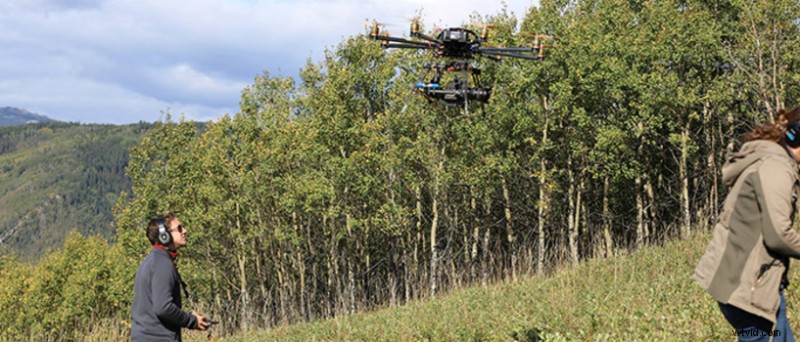
Power in remote areas is always a concern. With professional-grade cameras and equipment, batteries would only take them so far, which in this case meant that the crew had to utilize compact generators.
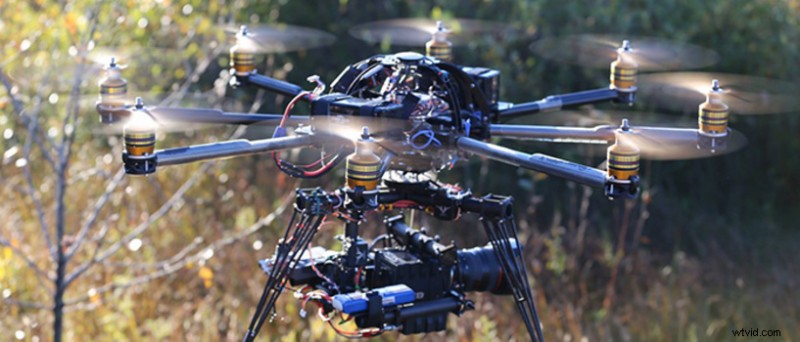
When using multiple camera systems, getting footage from one to match up with another can be a tricky task for whomever is editing a project. Niobe expressed that the footage was actually able to cut together quite well.
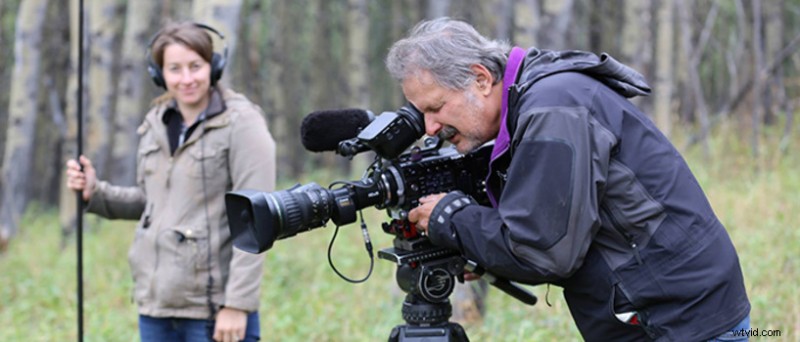
The film is currently in its final stages - grading, audio, film score, narration etc. Speaking of film score, another behind the scenes video was just released, that focuses on the how the score for the show was developed. You really get a sense of how much production value an original score created by an orchestra can add to a film project. Great stuff here.
Lastly, here is the trailer for the series, which premieres February 12, 2015 on CBC-TV: