
In partnership with dBs Institute.
What does it mean to be a music producer? It goes beyond making beats or DJing clubs; a producer can craft sample packs, score for film and TV, design foley, or develop audio software.
One fast‑growing niche is audio design for video games. As AAA budgets swell, so do opportunities in studio sound departments.
Orion Zane, a graduate of dBs Institute’s Sound for Games and Apps course, is carving his career as a sound designer at Supermassive Games. He has contributed to several Dark Pictures titles—including Switchback VR, House of Ashes and The Devil In Me—and enjoys the creative freedom the role offers.
We spoke with Orion about his path into game audio, how dBs Institute helped him, and his advice for aspiring music professionals.
What does your role as a video game sound designer entail?
As an audio designer at Supermassive Games, I focus on creating sound effects, foley, and ambiences. I specialize in dynamic ambience systems and spatial audio that react to player actions.
What do you love about being an audio designer?
I thrive on the creativity and immersion my work delivers. Building a soundscape that evolves with gameplay is deeply satisfying. As a horror fan, crafting eerie environments is especially fun—like designing jumpscares that land unexpectedly during later stages of development.
Stand‑out moments in your career?
Over the past two years I’ve worked on House of Ashes, The Devil in Me, and most recently Switchback VR, a launch title for PSVR 2. The Devil in Me was my first full‑cycle project, set in a replica of H.H. Holmes’s murder castle.
We recorded on location at an historic English manor, capturing doors, cabinets, footsteps, creaks, room tones, and even the sound of a book falling down a corridor. We also recorded impulse responses of many rooms, which we integrated into the game’s audio engine.
What sparked your passion for game audio?
I’ve been a gamer since childhood, starting with Legend of Zelda on the N64. At 12 I began piano, which led me into music production and learning DAWs in school. In college I spent time in the studio, experimenting with soundscapes that translate places into audio—this naturally evolved into sound design and a career in game audio.
How did dBs Institute tailor its teaching to your specialist subject?
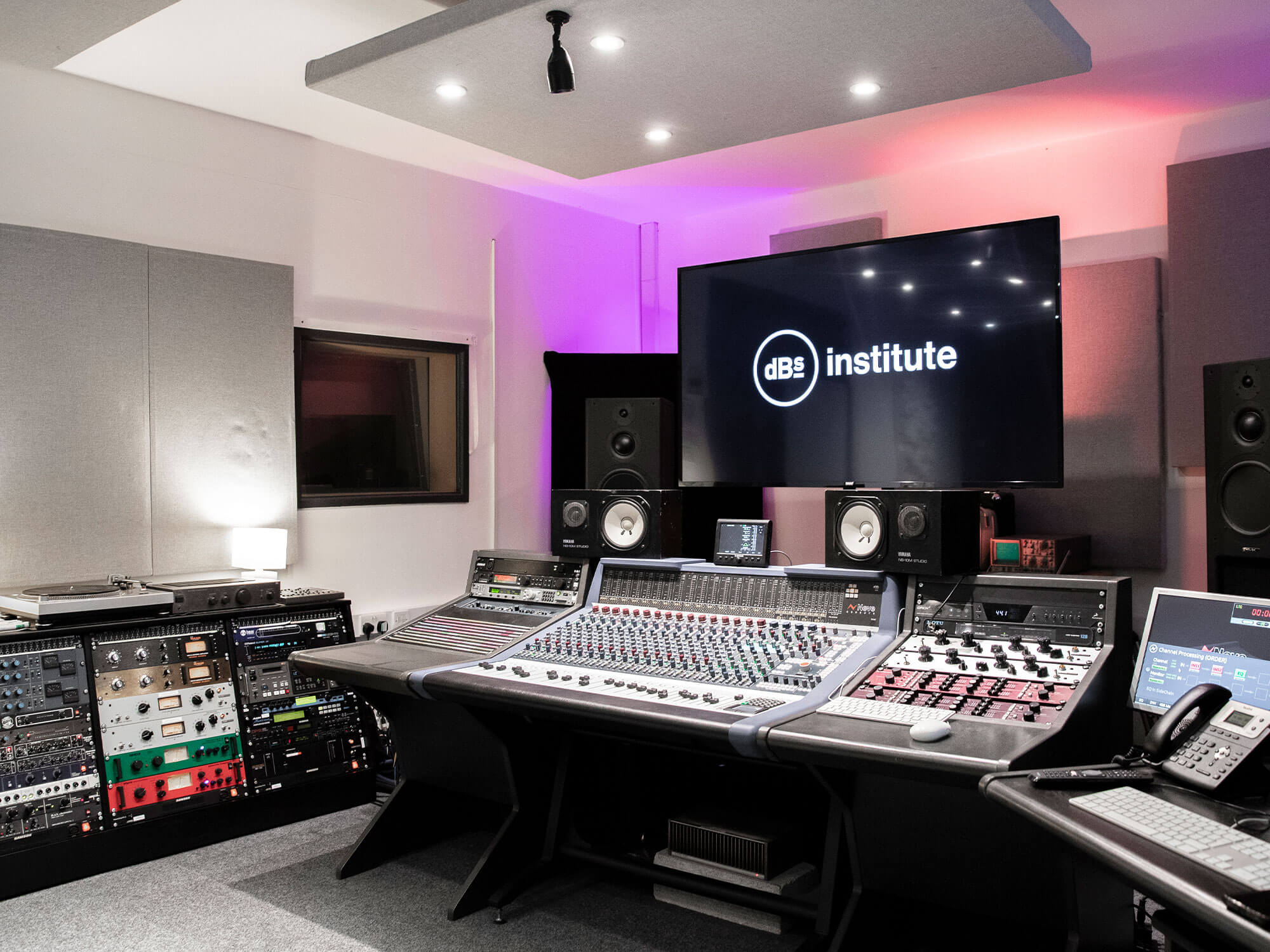
The Sound for Games and Apps curriculum covered both the technical skills and artistic creativity required for game audio. Hands‑on projects were integral, and instructors—Rich, Jazz, and Bruce—provided supportive, engaging guidance.
Other career paths for a music technology enthusiast from dBs?
Graduates can pursue roles in music production, audio engineering, film and screen sound, or game audio—each supported by specialized courses at dBs.
Do you feel you’re doing what you love?
Absolutely. Working in a field I’m passionate about keeps me motivated, continually learning, and pushing creative boundaries. The Supermassive Games team feels more like friends than colleagues, making each day enjoyable.
Advice for aspiring video game sound designers?
Build a strong portfolio that showcases your skills, and collaborate on indie projects or game jams. Reach out—networking is key. Communities like AirWiggles and local game audio meetups are excellent resources.
Why consider enrolling at dBs Institute?
It’s a top‑tier opportunity to receive specialized training and launch your audio career. Bristol’s vibrant creative scene adds extra value. For more details, connect with me on LinkedIn.
Find out more at dbsinstitute.ac.uk.

Sam is the Commissioning Editor at MusicTech, steering the publication’s editorial voice since 2019. With nearly twenty years of music production experience and a degree in music technology, he focuses on the stories behind studio gear and the artists who use it. He’s spent countless hours sampling disco records.
Get the MusicTech newsletter
Subscribe to receive the latest news, reviews, and tutorials straight to your inbox.