
Ali Jennings
Camera Jabber Author
Published: 20th June 2023
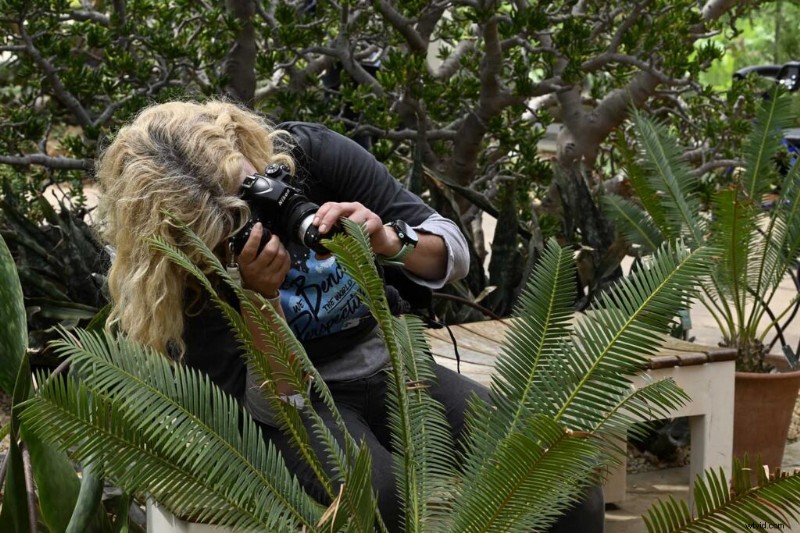
Natural light, often synonymous with available light, is a cornerstone of photography. Its ability to give life to your images and induce raw emotions is what makes it a favourite among photographers. By allowing them to produce aesthetically appealing images, natural light enhances the artistry in their work.
However, harnessing natural light isn’t always straightforward. Its intensity and quality can be influenced by many factors including the time of day, weather conditions, and geographical location, leading to unexpected and sometimes undesirable results. Moreover, the inability to control it in the same way as artificial light often proves challenging. This article explores the art of using natural light in photography and offers some tips on how to best utilize this resource.
What is Natural Lighting in Photography?
Natural lighting in photography refers to the use of sunlight as the primary source of illumination. Unlike artificial light sources such as studio lights, natural light originates from the sun and is therefore readily available and free to use. Natural light can be direct or indirect, depending on whether it’s coming straight from the sun or has been reflected off other surfaces.
The use of natural light in photography is as old as the art form itself. Early photographers had no choice but to use it, and even today, many professional and amateur photographers prefer natural light due to its variability and the unique ambiance it creates.

Natural Lighting Photography Definition
In the world of photography, natural light is defined as any light that originates from the sun, either directly or indirectly. It can further be classified into several categories based on its characteristics such as quality, direction, and colour.
The quality of natural light can be harsh or soft. Harsh light produces strong shadows and high contrast, while soft light results in less defined shadows and lower contrast. The direction of light refers to the angle from which light is hitting your subject, which can affect the appearance of depth and texture. Finally, the colour of light changes throughout the day, with warm tones appearing during sunrise and sunset, and cooler tones during midday.

How to Use Natural Lighting in Photography
Using natural lighting in photography involves understanding its characteristics and learning to work with them rather than against them. Firstly, knowing the best times of the day to shoot is essential. During the “Golden Hour” (shortly after sunrise or before sunset), the light is soft and warm, which can create a magical effect in your photos. Conversely, the “Blue Hour” (just before sunrise or after sunset) provides cool, diffused light that is ideal for creating moody and atmospheric shots.
Direction is also key. Front lighting (where the light source is behind the photographer) creates even lighting across the subject, but can lack depth. Side lighting (where the light is coming from one side of the subject) enhances texture and depth. Backlighting (where the light source is behind the subject) can create dramatic effects and silhouettes.
- Check out our guide on What is still life photography?

Best Natural Lighting for Photography
The “best” natural lighting for photography is subjective and depends on the mood and effect you want to create. For soft, flattering portraits, the Golden Hour is often preferred. For dramatic landscapes with long shadows and intense contrast, shooting at midday can be effective.
However, overcast days are often overlooked. The clouds act like a giant softbox, diffusing the sunlight and creating even, soft light. This is perfect for minimising shadows and reducing contrast, which can be particularly helpful for portrait photography.

Manipulating Natural Light
While natural light is not as malleable as artificial light, there are still ways to manipulate it. One popular method is the use of reflectors. A reflector can bounce sunlight back onto your subject, filling in shadows and illuminating darker areas.
They come in different colours, with silver increasing the light’s intensity and white providing a softer fill. Gold reflectors are popular because they cast a warm, sunny colour onto the subject, mimicking the soft, glowing light found during the Golden Hour. This makes them especially useful for adding a warmer tone to skin in portrait photography or creating a summery, radiant feel in outdoor shots.
Diffusers can also be used to soften harsh sunlight and reduce contrast. Like reflectors, they are lightweight and portable, making them a valuable tool for photographers who frequently work outdoors.
Remember, while natural light can be unpredictable, learning to work with it can lead to stunning, one-of-a-kind photographs. Embrace the challenge and let nature’s light guide your creativity.