
Mirrorless cameras have surged in popularity, with over 5 million units shipped worldwide in 2023 compared to just 1.18 million DSLRs (Statista). Influential photographers such as Steve McCurry (Leica SL) and Ian Hippolyte (Canon EOS R) showcase the versatility and power of mirrorless systems.

What Is a Mirrorless Camera?
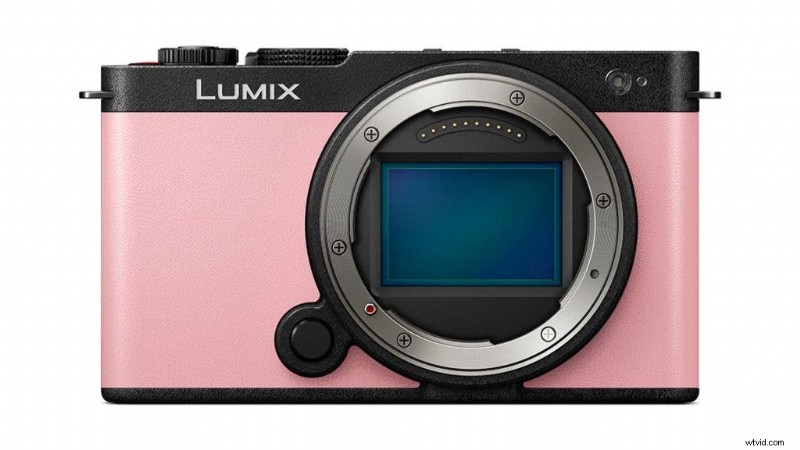
A mirrorless camera is a fully digital system with interchangeable lenses that forgoes the optical mirror and pentaprism found in DSLRs. Instead, the sensor directly captures the image, and an electronic viewfinder (EVF) displays it. This design eliminates the mirror‑movement lag, enabling faster shutter speeds and higher burst rates.
Without the mirror mechanism, mirrorless bodies are smaller, lighter, and generally more affordable than their DSLR counterparts. They also benefit from simpler manufacturing and tighter heat management, which can improve reliability in extreme conditions.
The primary trade‑off is the electronic viewfinder. While early models suffered from low resolution and latency, modern EVFs now offer up to 5.76 million dots, 100 % frame coverage, and OLED displays that rival optical viewfinders in brightness and clarity.
Lens availability was once a concern, but the rapid expansion of the Sony, Canon, Nikon, and Panasonic ecosystems has largely eliminated this gap. Today, most mirrorless mounts boast a comprehensive selection of prime, zoom, macro, and telephoto lenses.
Why Mirrorless Cameras Are Dominating the Market
The shift toward mirrorless is driven by several technological advances:
- Improved EVFs – high‑resolution OLED displays and low latency.
- Expansive lens ecosystems – a growing range of native lenses and adapters.
- Comparable image quality – full‑frame sensors, high‑resolution sensors, and advanced sensor‑level processing.
- Enhanced autofocus – hybrid systems that track subjects with AI‑based algorithms.
- Superior video capabilities – 4K and 8K recording, high‑speed frame rates, and robust color science.
- Compactness and weight – easier to carry for travel, street, and wildlife photography.
These factors make mirrorless systems especially attractive to mobile shooters, videographers, and newcomers seeking a versatile, future‑proof platform.
Key Features to Evaluate When Buying Your First Mirrorless Camera
While many specifications overlap with DSLRs, certain attributes are unique to mirrorless design and should influence your choice.
Sensor Size and Resolution
A larger sensor yields better low‑light performance, dynamic range, and shallow‑depth‑of‑field control. Mirrorless options range from full‑frame (35 mm) to APS‑C and APS‑H, and even medium‑format sensors, such as the Hasselblad X2D 100C’s 43.8× 32.9 mm chip, all packaged in a manageable body.
Electronic Viewfinder Quality
Choose a camera with a high‑resolution OLED EVF, ideally 2–3× magnification and 100 % coverage. Models like the Canon EOS R5 Mark II deliver 5.76 million dots, providing a near‑real‑time preview that reduces exposure errors.
Image and Video Resolution
Mirrorless systems commonly offer 4K video, but some, like the Nikon Z8, record 8K/60p with 12‑bit RAW up to 8K/60p, giving you ample latitude for cropping and post‑production.
Autofocus Performance
Look for hybrid AF systems with > 1,000 focus points, eye‑tracking, and subject‑recognition AI. The Sony a1 II, for instance, tracks humans, animals, and even fast‑moving objects with high precision.
Lens Compatibility
Before committing, verify the lens lineup for the chosen mount. Sony’s FE, Canon’s RF, Nikon’s Z, and Panasonic’s L‑MP mount all offer extensive prime and zoom ranges, ensuring you can grow your gear without switching systems.
Build Quality and Ergonomics
Assess weather sealing, grip ergonomics, and button layout. For street or travel work, a discreet, lightweight body with silent autofocus is ideal. For rugged environments, seek robust construction and dust‑proofing.
Practical Tips for Selecting Your First Mirrorless Camera
- Prioritize image quality – sensor size and resolution should be the top of your list.
- Match the camera to your shooting style – fast AF for action, high ISO for low light, or superior video specs for filmmaking.
- Check lens availability – ensure you can access the lenses that fit your niche.
- Test the EVF in person – a bright, lag‑free viewfinder is essential for accurate framing.
- Consider future growth – choose a system that can accommodate upgrades and new lenses.
- Enjoy the process – a camera that feels good in your hands will inspire more consistent shooting.
Final Thoughts
Mirrorless cameras strike a balance between performance, portability, and cost. Whether you’re a seasoned professional or a hobbyist just starting out, the right mirrorless system can elevate your photography and videography while keeping you ready for spontaneous moments.
Pick a body that aligns with your priorities, and you’ll find yourself eager to capture the world around you.

Peter Dam
Peter Dam is a professional nature photographer with over 10 years of experience in wildlife, corporate, and videography projects. He shares practical photography insights and stories on his website and YouTube channel.