
Is the iPhone camera still the powerhouse it once was in the smartphone market?
By Stan Horaczek | Published Sep 10, 2013 10:10 PM EDT
We may earn revenue from the products available on this page and participate in affiliate programs. Learn more →
Since its debut, the iPhone camera has sparked debate—some users love it, others find it lacking. Regardless of opinion, it remains a dominant force in terms of quantity and ubiquity. The iPhone 5S arrives with several meaningful improvements that many users will appreciate.
The most significant change is a 15% larger image sensor compared to the iPhone 5. Combined with larger pixels (exact numbers will be released soon), this upgrade is expected to deliver noticeably better low‑light performance and higher overall image quality. The A7 64‑bit processor further enhances image processing, providing smoother autofocus and reduced noise.
The front‑side lens now has an f/2.2 aperture, and Apple has refined the optical coatings to reduce purple flare that previously troubled some photographers.
These hardware gains unlock new features: a 10‑fps burst mode that captures a sequence and automatically selects the best frame, and a 120‑fps slow‑motion video option at 720p—an exciting addition that will become handy once the novelty wears off.
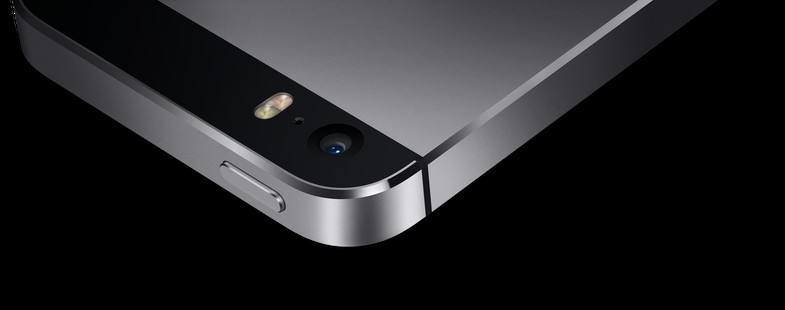
Apple also addressed flash performance with the True‑Tone flash, which dynamically adjusts color temperature to match the surrounding light, yielding more natural, pleasing results compared to the older flash.
While additional details will emerge, the iPhone 5S represents a solid step forward for the iPhone camera, and it remains to be seen how it stacks up against camera‑centric rivals like the 41‑megapixel Nokia Lumia 1020.
Image courtesy of the Engadget Live Blog
